
Last updated November 23, 2026
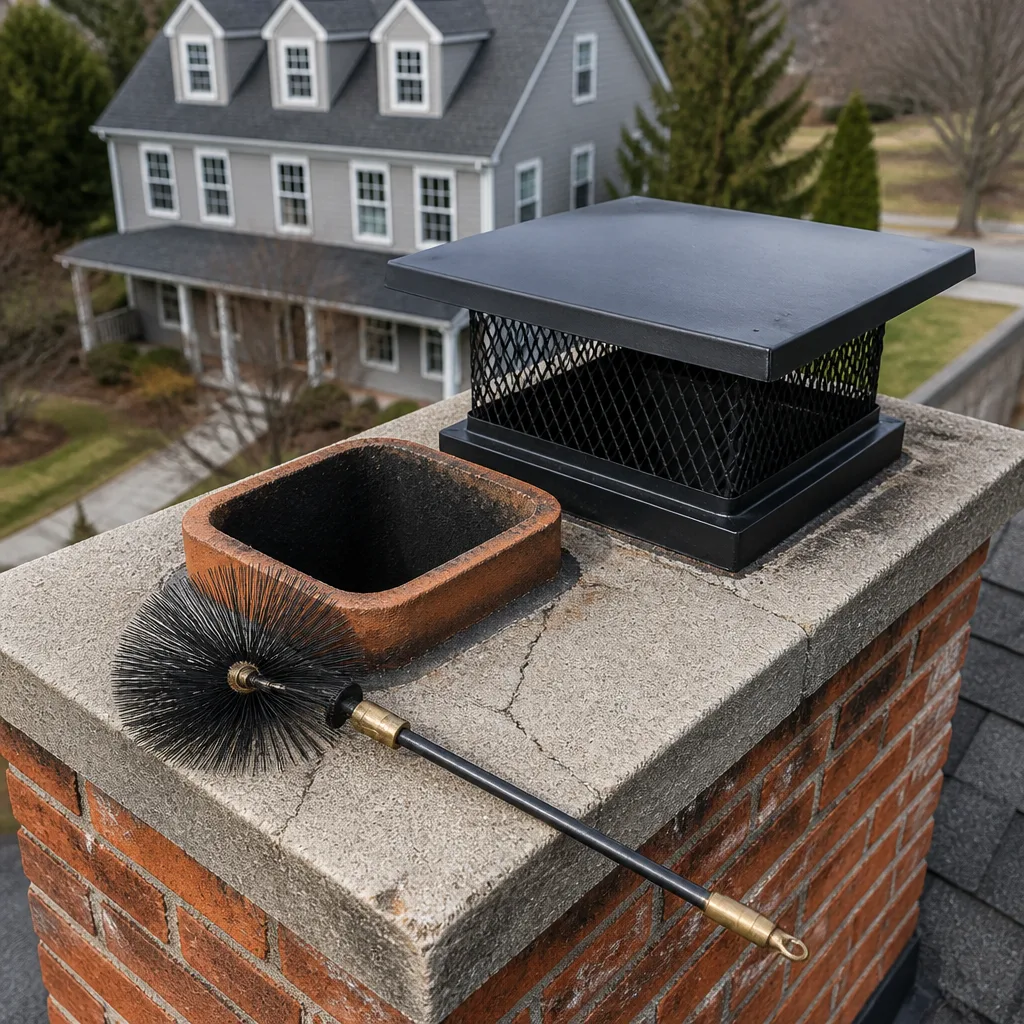 Sweep & inspection
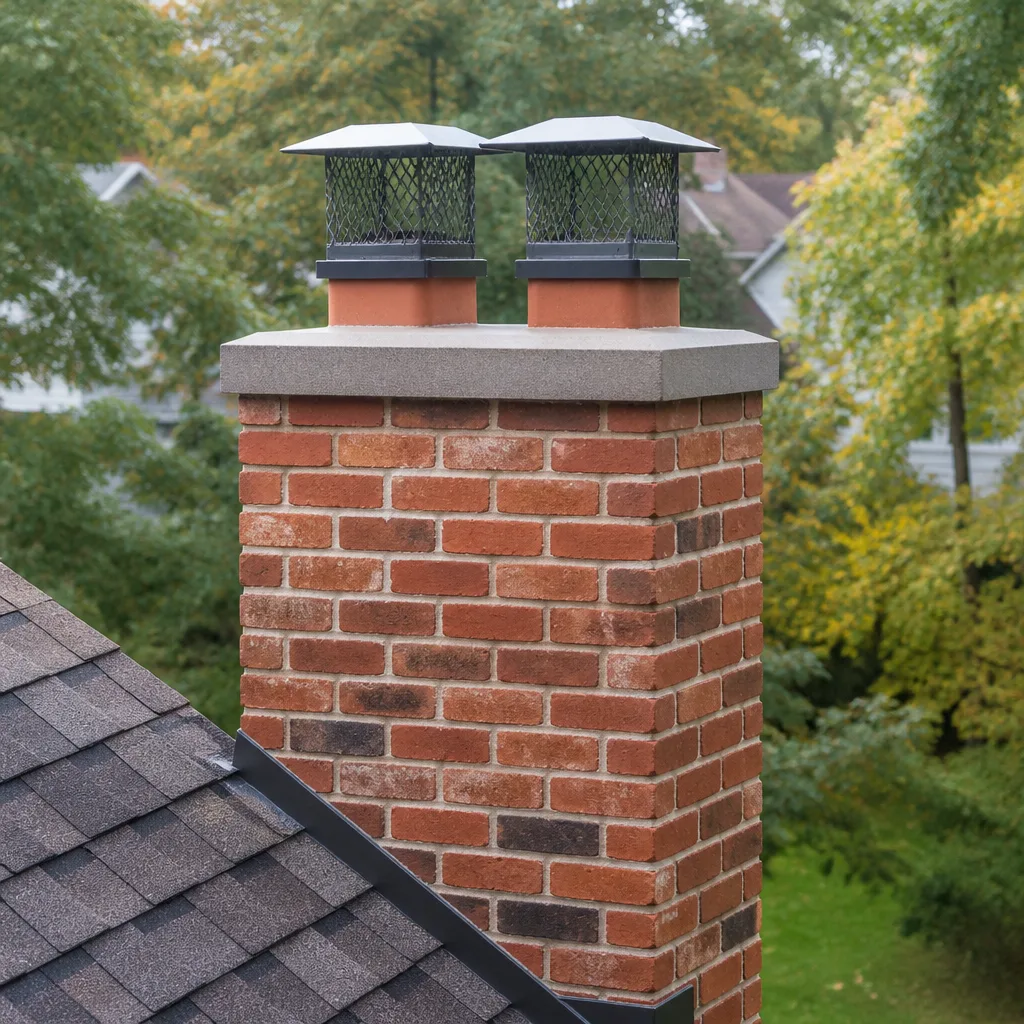 Caps & crowns
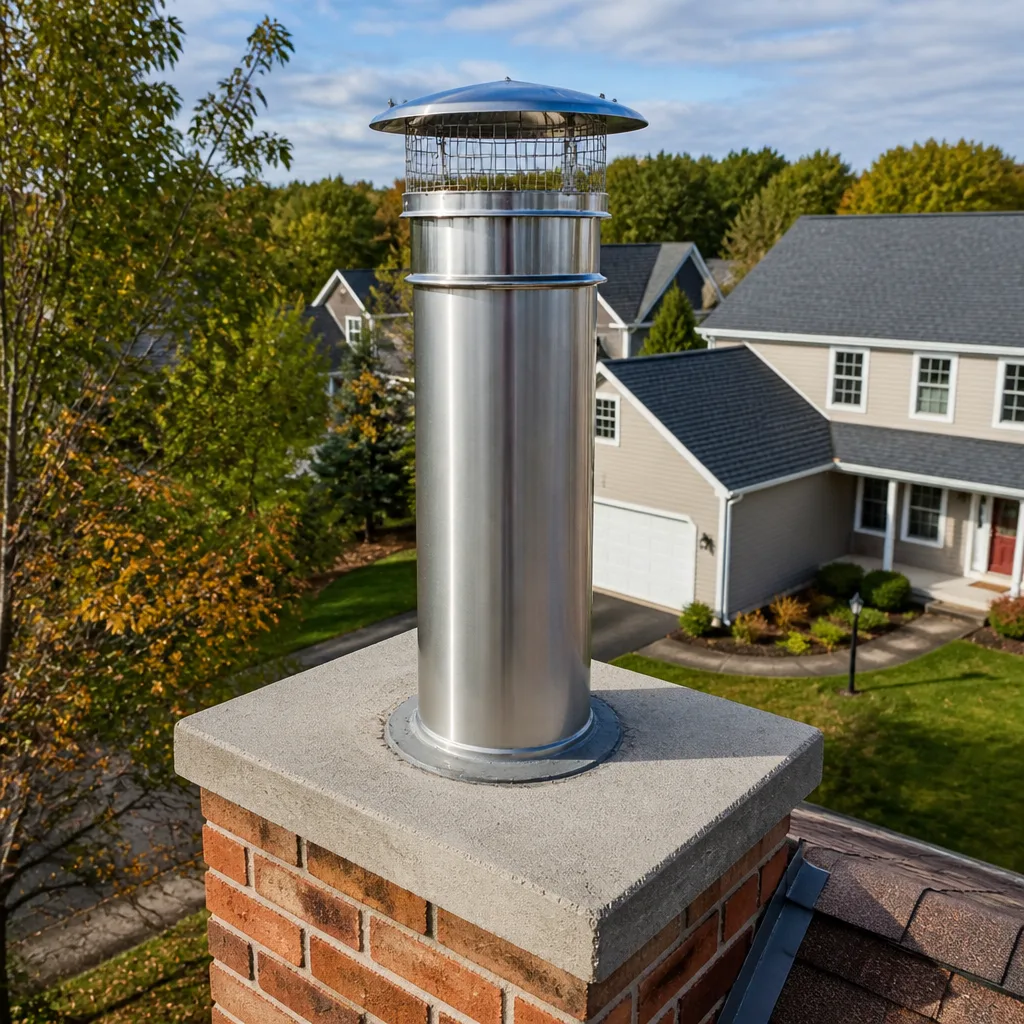 Flue relining
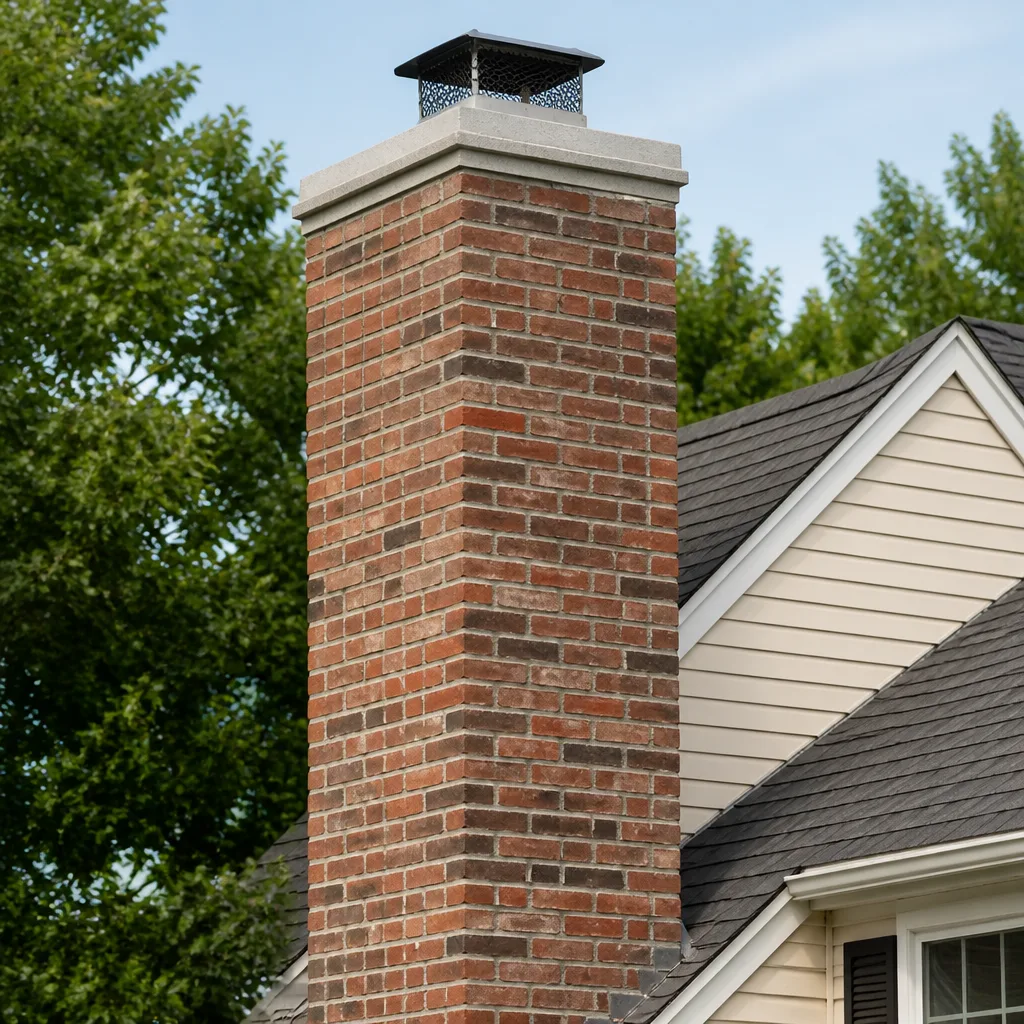 Masonry repair
 Gas fireplace service
Level 1 sweep and inspection to the NFPA 211 annual standard - flue, crown, cap, and flashing checked and photographed
Chimney sweep logs do not sweep chimneys. They loosen some creosote - which then falls where a brush and vacuum still have to collect it.
How to Hire a Chimney Cleaning Contractor in Boulder: A Step-by-Step Guide
Getting onto a list of chimney services in Boulder takes almost nothing. A website, a phone, a brush from a hardware store, and an uncertified operator can advertise “chimney cleaning” the same afternoon. The credential that separates a real chimney professional from that operator, CSIA Certified Chimney Sweep, demands real study and continuing renewal, but no licensing board stops anyone from skipping it. So the vetting work falls to you. This guide gives you a technical process: what to verify on an issuing organization’s public database, five questions only a trained sweep can answer, the red flags Boulder homeowners run into, and how a legitimate estimate should itemize the job. Read it once and you’ll hire with confidence.
Quick Answer
Hire a chimney cleaning contractor in Boulder by verifying CSIA or NFI certification directly on the issuing organization’s public database, then asking five technical questions a generalist handyman cannot answer correctly, getting a written itemized estimate after an in-person inspection, and confirming the sweep includes a camera inspection of the flue liner. A legitimate sweep documents what they find, explains why it matters, and tells you plainly when a repair can wait.
Styles & brands we work with
- Sweep & inspection
- Caps & crowns
- Flue relining
- Masonry repair
- Gas fireplace service
Table of Contents
- Which Credentials Actually Matter, and How to Verify Them
- Five Technical Questions to Ask Before You Book
- Boulder Market Red Flags
- What a Legitimate Estimate Should Itemize
- How to Read Online Reviews for Chimney Work
- Why Boulder Chimneys Need Attention
- What a Real Sweep Appointment Looks Like
- Common Mistakes to Avoid
Which Credentials Actually Matter, and How to Verify Them
Two credentials carry real weight in chimney work: CSIA Certified Chimney Sweep and NFI certification for gas and wood appliances. A CSIA certified sweep has passed a proctored exam covering venting, combustion, codes and inspection standards, and holds the certification through a renewal cycle. NFI certification covers appliance installation and service for specific fuel types. Both are meaningful because both require study and both can be checked.
The part most homeowners skip is verification. A contractor can say “certified” and mean nothing by it. The issuing organizations maintain public databases where you can look up a name and see whether the certification is current. Do that lookup yourself rather than trusting a badge on a website, and don’t accept a screenshot as proof. If a sweep is certified, they’ll welcome the check.
Credentials you’ll see in marketing that don’t carry the same weight:
- General contractor licenses unrelated to chimney systems
- Membership in a local chamber of commerce, which says nothing about training
- “Fully insured” claims with no certificate to back them up (ask for one)
- Manufacturer certifications that only cover one product line and say nothing about inspection skill
None of these are bad. They just don’t answer the question you’re asking: can this person look at my flue and tell me accurately what condition it’s in? A sweep who’s certified to install a flexible stainless liner like DuraFlex, or authorized in HeatShield ceramic resurfacing, has the training behind the credential to make that call. Ask, then verify. That’s the whole game.
Five Technical Questions to Ask Before You Book
Ask these on the phone before you schedule. The answers tell you fast whether you’re talking to a chimney professional or a handyman with a brush. You don’t need to know the answers yourself; you need to hear that they do, and that they explain rather than deflect.
- What’s your process for a Stage 2 creosote deposit? Creosote comes in three stages, and Stage 2 is a flaky, crusty layer that stiffens with the brush and won’t come off with standard sweeping alone. Stage 3 is glazed and hard, and needs rotary cleaning or chemical treatment before a chemical sweep. A trained sweep describes that distinction in detail. A generalist shrugs.
- Do you camera-inspect the flue liner? A camera inspection shows the actual condition of the liner, the flue joints, and any offset or damage you can’t see from the firebox. A sweep who doesn’t run a camera is telling you they’ll rely on a flashlight beam and a guess. You want the camera, and you want to see the footage or a written record of what it found.
- What’s your procedure for a masonry chimney with a clay tile liner? The right answer involves assessing for cracks, missing mortar joints, and whether the tiles have shifted. A sweep with real training describes why a compromised clay liner needs either a resurfacing method or a full reline, and can explain the difference.
- How do you check the cap and crown? These are the top of the chimney and the most exposed part of the system. A professional inspects both, describes the condition in plain terms, and can install or replace a cap with a purpose-built product like Gelco or Famco hardware rather than an improvised cover.
- What does your report look like? A trained sweep gives you a written record, not a verbal summary in the driveway. Ask to see a sample report before booking. If they don’t have one, that’s your answer.
If a contractor can’t get through question one or two in detail, hang up gently. You’ve saved yourself a wasted appointment and a chimney that may still be unsafe. Our technicians have up to 14 years of experience, and the ones who do this well can talk about all five of these for an hour without notes.
Boulder Market Red Flags
The chimney trade in Boulder has a seasonal rhythm, and that pattern is visible in how contractors operate. Some sweep services run only through the fall burn-season rush and aren’t reachable once the cold sets in. Others are careful full-time companies that do this year-round. Knowing which is which is part of hiring well.
- A sweep who disappears in winter. If you hire in October, confirm the contractor actually operates when the heating season is in full swing. Seasonal-only operators take the fall bookings and stop answering in January, right when a problem shows up.
- A quote given without an in-person inspection. A price on the phone before they’ve seen the chimney is a guess dressed up as an estimate. A real sweep looks at the flue, the firebox, the cap and the crown before pricing work.
- Pressure to reline on a first call. Relining is sometimes the right answer. But a contractor who recommends a full reline without camera footage you’ve seen with your own eyes is selling, not diagnosing. A trustworthy sweep tells you when a repair can wait, and cameras are how they prove it.
- “Cleaning” that skips inspection. A sweep is a cleaning plus an inspection. If a contractor brushes the flue and says “all looks good,” ask for the written inspection record. If there isn’t one, they didn’t inspect.
- Hardware-store brushes and improvised parts. A trained sweep uses proper brushes, rods, and purpose-built components. If a contractor shows up with a plastic-bristle brush from a box store or a homemade cap, that’s the whole relationship in one image.
Boulder’s elevation and dry winter air change creosote behavior too. Fires burn faster at higher altitude, temperatures swing between a cold snap and a mild afternoon, and a chimney that cools and re-warms can build creosote quickly. A sweep who works in Boulder regularly knows this pattern. One who doesn’t may sweep your flue the same way they’d sweep one at sea level.
What a Legitimate Estimate Should Itemize
A serious estimate breaks the job into components, not one flat line that says “cleaning.” That flat line is the tell that the contractor is pricing a service by feel rather than by scope. Ask any contractor to itemize before you accept. Here’s what a real estimate covers:
- Sweep of the flue, with the method (standard brush or rotary) stated
- Inspection: camera inspection of the liner, documentation, and a written report
- Firebox: condition assessment and any repair recommended
- Damper: functional check and any repair
- Cap and crown: condition, and any repair or replacement work
- Repairs: each named separately with the material (a Gelco or Famco cap, a HeatShield resurfacing scope)
A properly itemized estimate makes the trade-offs visible. It lets you see what a sweep costs versus what a repair costs, and it lets you decide what to do now and what to hold off on. If a contractor can’t or won’t itemize, that’s a signal that the scope is vague by design.
Ask about documentation too. The estimate should say what the report will include and whether you get a copy. Our estimates are free, and the written estimate sets the final price. That floor is the reason we don’t give numbers over the phone before we’ve looked.
How to Read Online Reviews for Chimney Work
Chimney reviews are unusual. A chimney sweep job isn’t a visible outcome the way a new roof or a new kitchen is. The homeowner sees a clean firebox, but the actual work happened inside a flue they can’t reach. That makes detail the only real signal, and detail is exactly what a fake or incentivized review doesn’t have.
What a real chimney job review contains:
- A specific service name: “swept and inspected,” “camera inspection of the liner,” “installed a new cap”
- Some reference to what the sweep found and how they reported it
- A mention of the report or documentation
- Reasonable length and natural voice, not a paragraph of praise with no substance
What a thin or suspicious review looks like:
- Maximum stars, minimum detail. “Great service, highly recommend!” tells you nothing about chimney work.
- Short, generic, and identifiable as the same template across reviewers.
- Reviews concentrated in a tight window, all with the same phrasing.
- Reviews that praise a price without saying what the price covered.
Read the longest reviews first. Those are usually the ones written by an actual customer who got the service, noticed what was documented, and bothered to describe it. Then look for the sweep’s replies, if there are any. A sweep who responds substantively to a negative review, explaining what happened, is one to keep on your list.
Why Boulder Chimneys Need Attention
Boulder has a particular set of conditions that make chimney care more than a once-every-few-years checkbox. The altitude means a fire burns hotter and faster than at lower elevation, pulling more creosote up with the smoke. The dry high-desert air and its wide temperature swings mean metal liners and masonry both expand and contract harder than they’d like. And the burn season itself runs long on the shoulders, with fires lit on a cold March morning and again in October.
That combination puts a burden on the flue liner, the firebox, and the crown, the concrete or metal top that protects the whole stack from water. Water is the quiet killer of chimneys here, more than any single fire. A cracked crown lets meltwater into the masonry, and repeated freeze-thaw cycles open it wider each season. A cap that’s come loose or been battered by wind lets debris and weather into the flue. Neither is dramatic, and neither announces itself. But both are what a trained sweep catches and a contractor with a brush and no inspection doesn’t.
The liner is the same story. A clay tile liner can develop hairline cracks and shifted mortar joints, and those let heat and gases reach the surrounding structure. Flexible stainless lining, the kind of DuraFlex systems professional installers use, restores a safe flue channel when the original is compromised. For a liner that’s worn but not ruined, HeatShield ceramic resurfacing can restore the surface without a full reline. Which one a given chimney needs depends entirely on what the camera inspection shows, and that’s why the camera matters so much for a Boulder homeowner deciding what to spend.
If you’re not sure where your chimney stands, start with a chimney inspection before anything else. It’s the fastest way to know whether you’re looking at a routine cleaning or a repair.
What a Real Sweep Appointment Looks Like
Knowing the steps of a proper appointment tells you what to expect and what’s missing. Here’s how a legitimate sweep proceeds, whether you hire us through chimney sweep or a comparable certified provider in Boulder.
- Protect the room and lay drop cloths. Any sweep who doesn’t start here is cutting a corner.
- Inspect the firebox and damper before cleaning. The firebox is where conditions are most visible, and a proper sweep checks it first.
- Clean the flue with the correct method for the deposit. Standard brushing for Stage 1, rotary or chemical treatment for Stage 2 or 3, if that’s what’s found.
- Camera-inspect the liner. The flue gets looked at from the inside, not just from the bottom with a flashlight.
- Inspect the cap and crown from the roof or via camera. Both are checked and documented.
- Write the report. Findings, condition, and recommendations, in plain language, with photos or footage.
Five distinct services usually fit together in this flow: sweeping, inspection, fireplace repair, chimney repair, and cap and crown work. A full-service company handles all five under one roof and one accountability line. That means no handoffs, no gaps in who’s responsible, and no phone call to a second contractor who didn’t see the chimney. Our full scope is what Chimney Sweep Boulder offers, from the firebox to the cap.
Common Mistakes to Avoid
- Hiring on price alone. The cheapest sweep is the one most likely to skip the camera inspection. That skip is invisible until a problem shows up, and by then you’ve saved nothing.
- Accepting a phone quote without an inspection. A price given before the chimney is seen is a guess. It tends to rise once the sweep arrives.
- Letting a first-call reline pitch override your judgment. A reline is sometimes right, but never before camera footage you’ve seen. Ask for the footage and wait.
- Skipping the cap and crown. Boulder weather attacks the top of a chimney faster than the bottom, and a missing or damaged cap is the fastest way for water and debris to get in.
- Booking a seasonal operator with no winter footprint. Confirm the contractor operates when the burn season is active, because that’s when you’ll need them.
- Not asking for the written report. A sweep that tells you “looks good” while packing up hasn’t given you a document you can check later, or hand off to a future contractor.
- Assuming a general handyman can handle a Stage 2 deposit. That job takes rotary equipment and training. A hardware-store brush on a crusty, flaky deposit just polishes it.
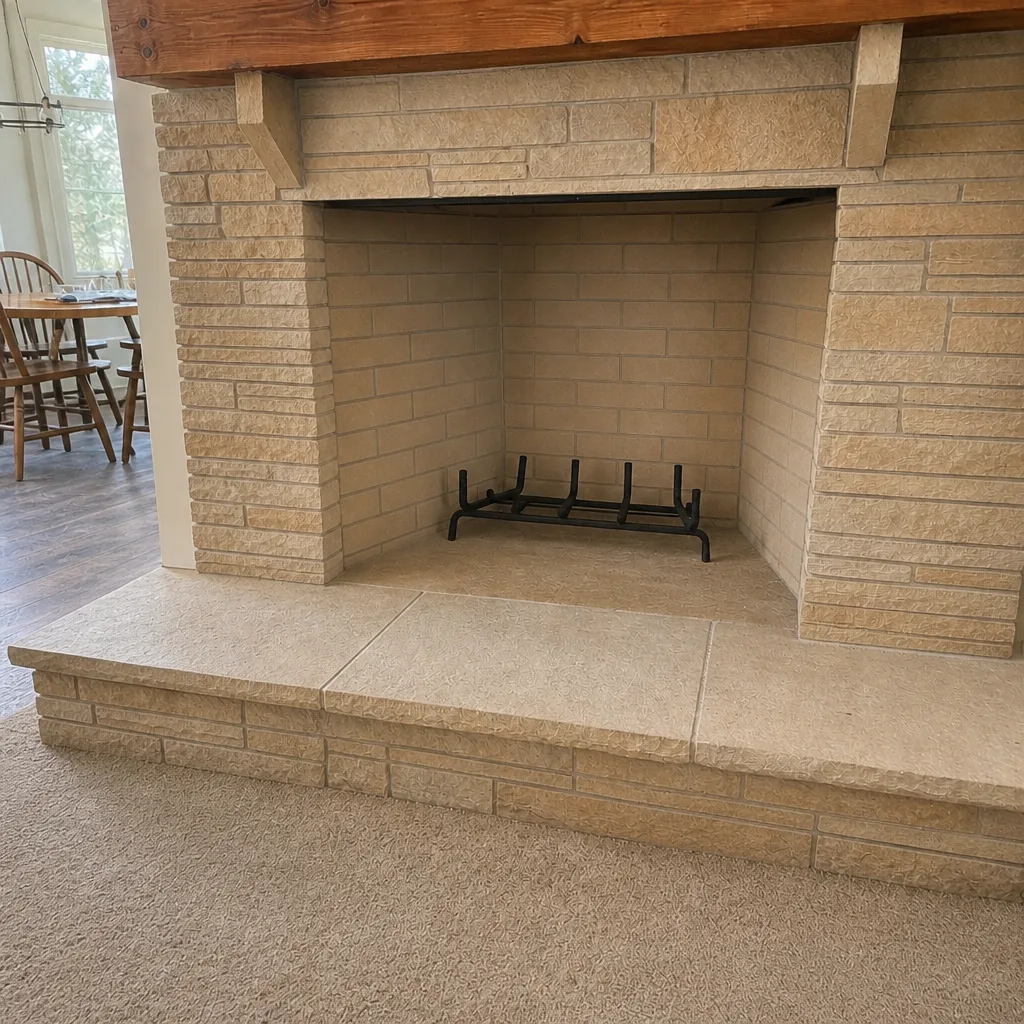
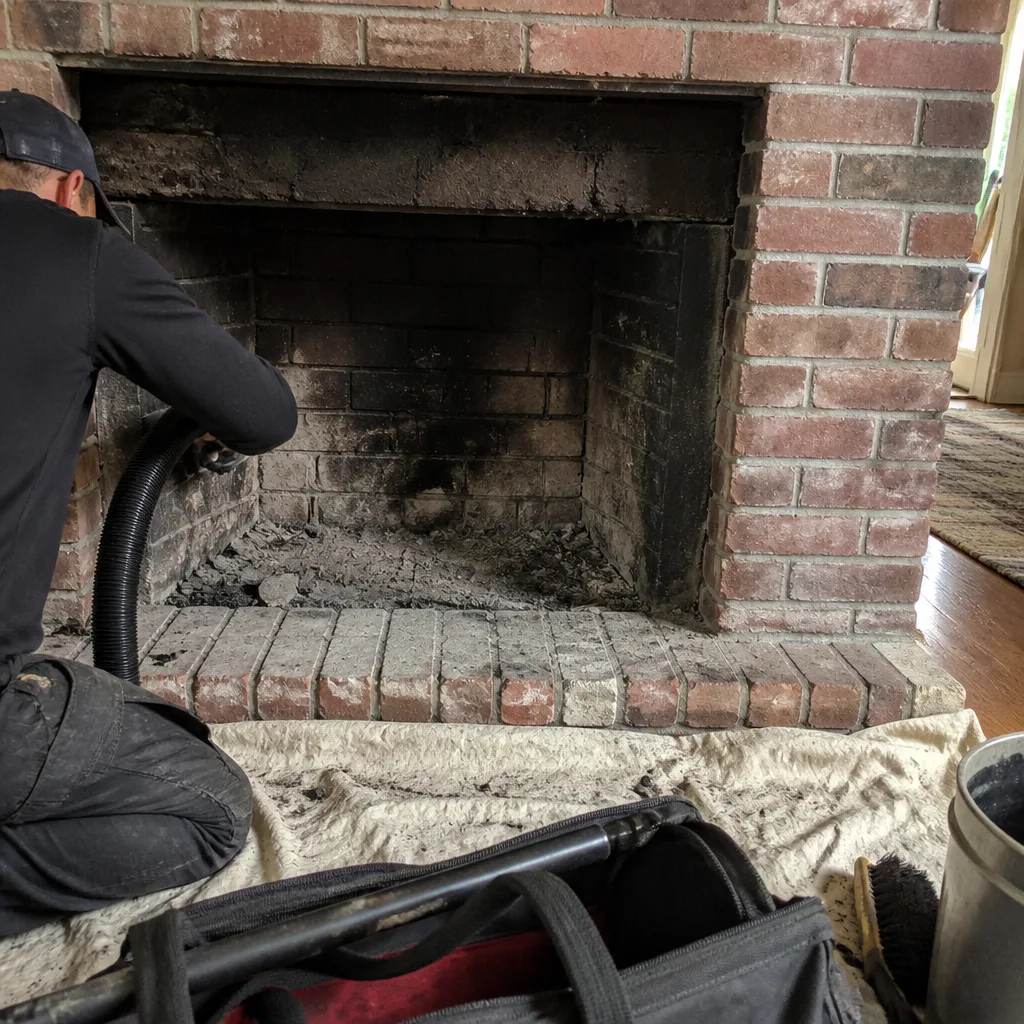
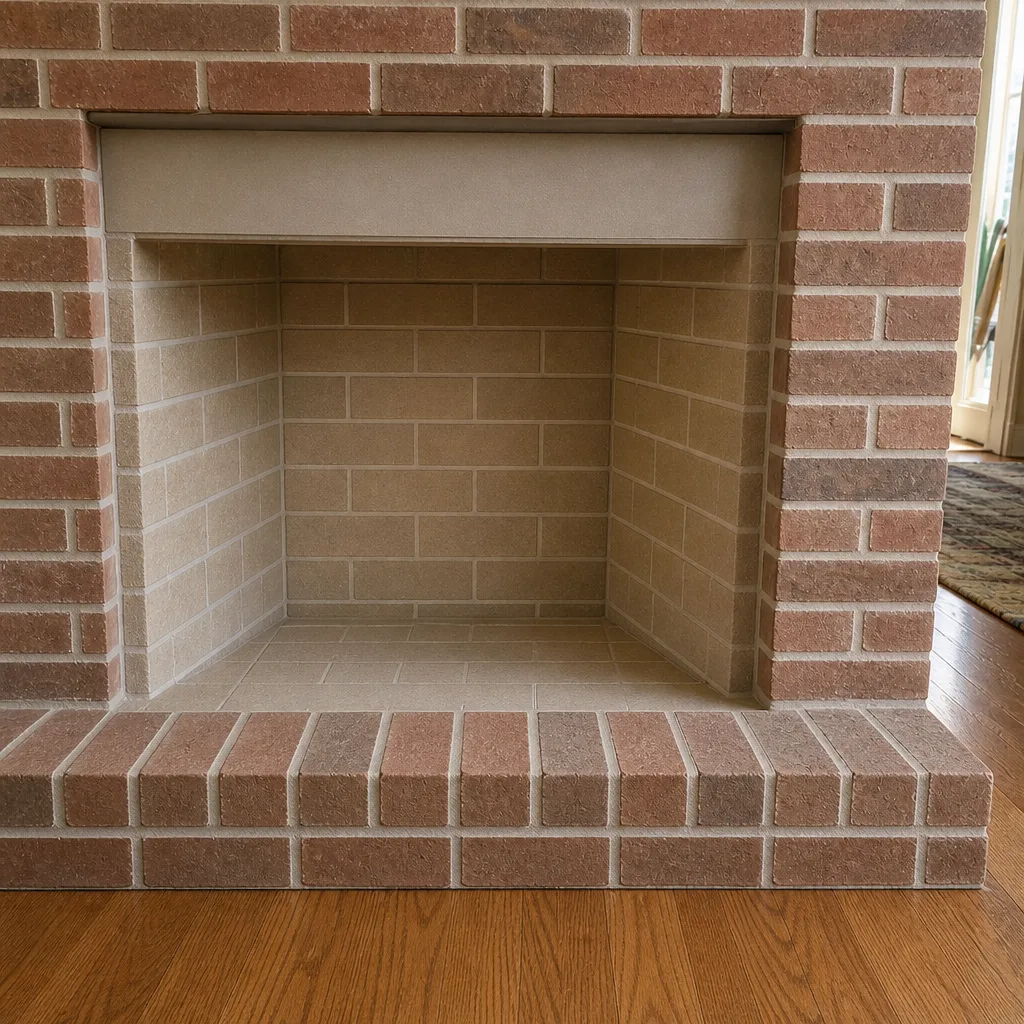
See the difference
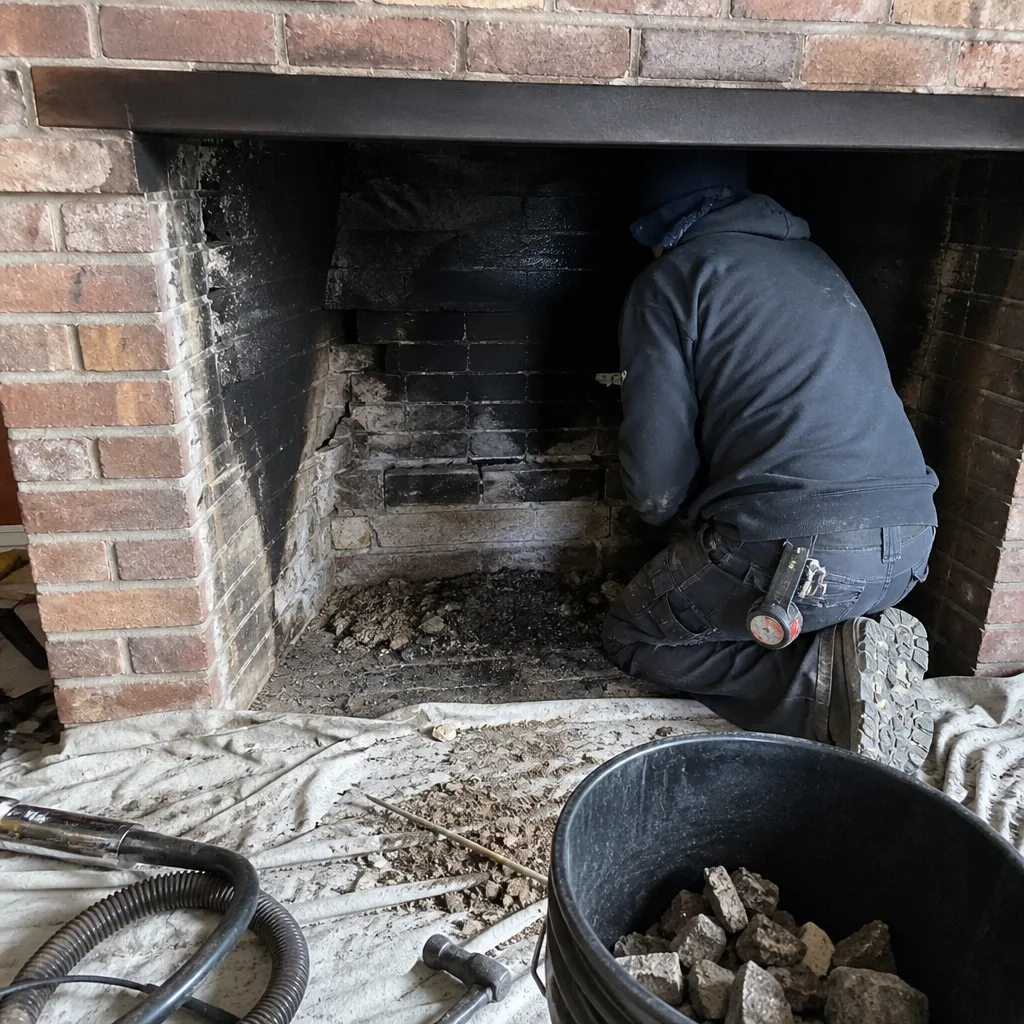 Before
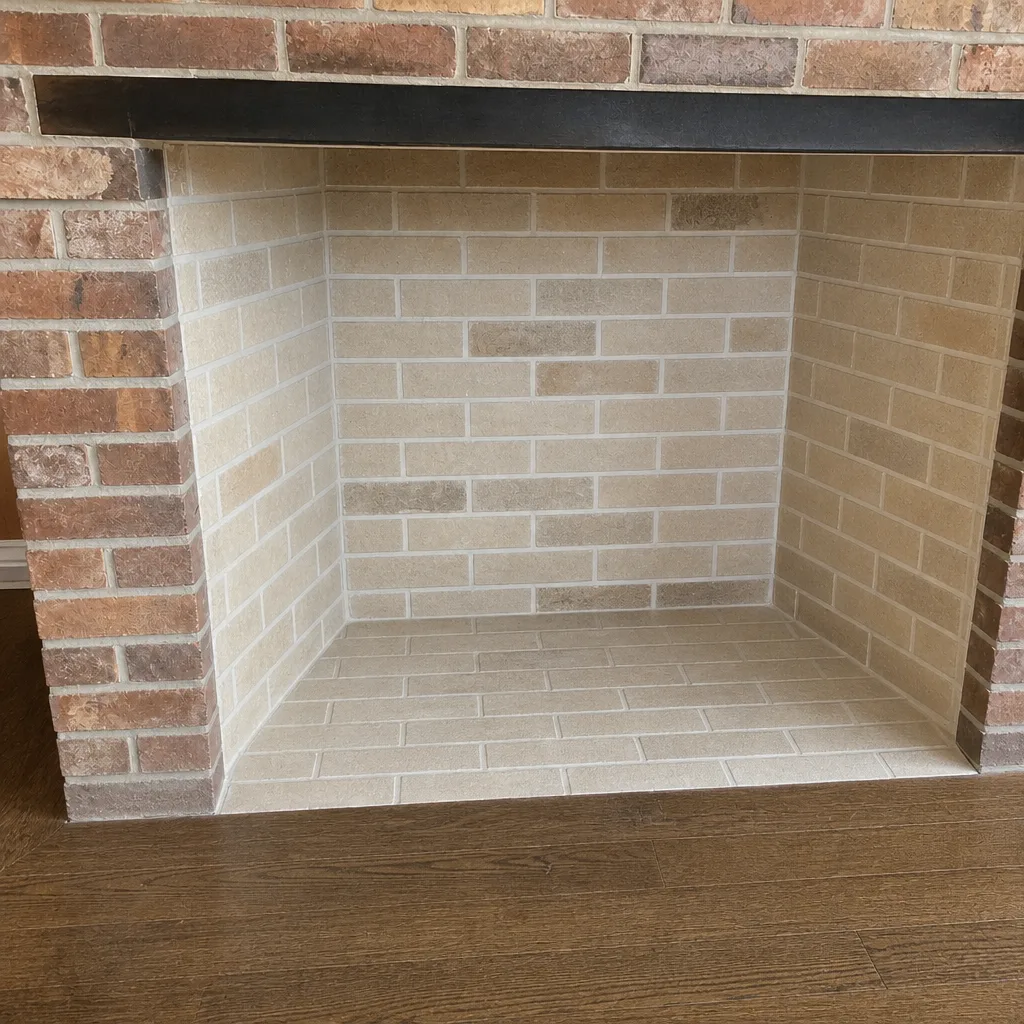 After
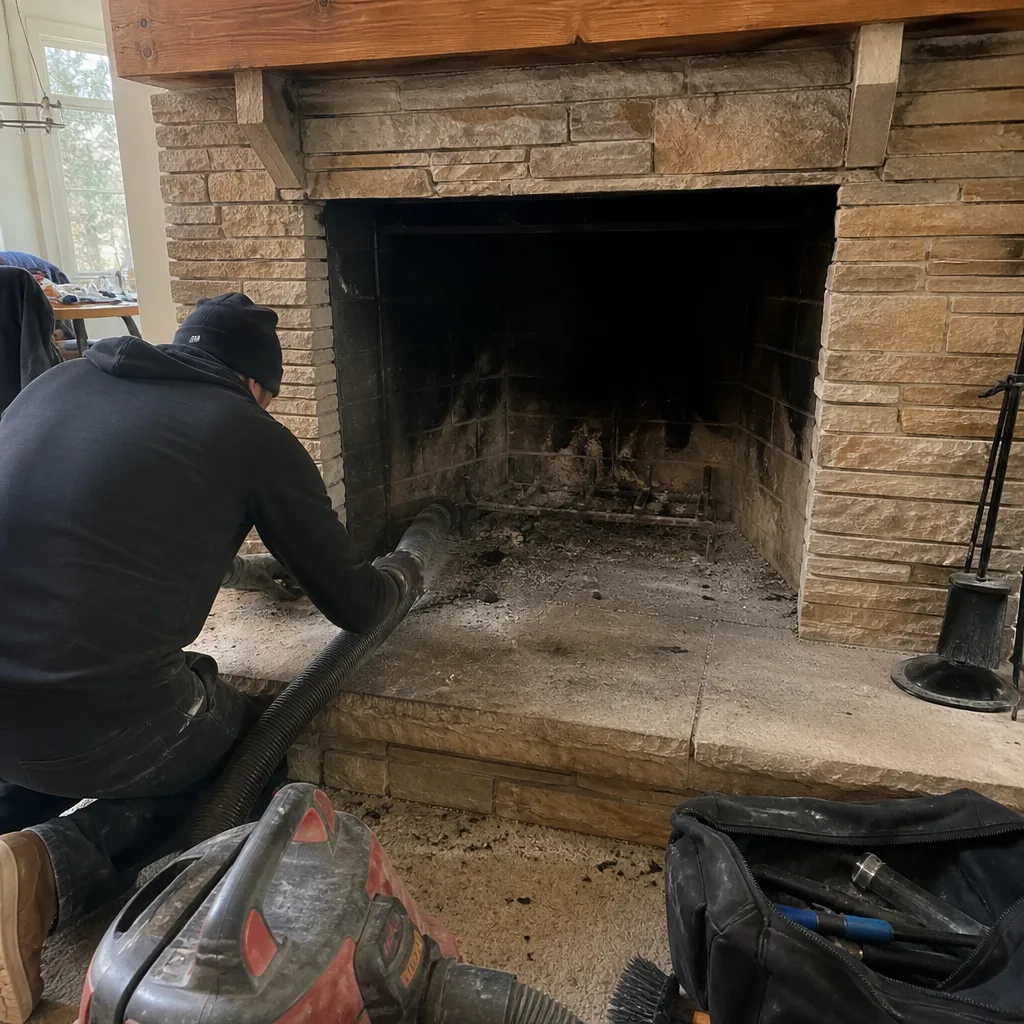 Before
 After
 Before
 After
When to Call a Professional
Call a professional if you’ve never had the chimney inspected and the fireplace sees regular use, and call sooner if you notice smoke backing into the room, a strong creosote smell, a damper that doesn’t seal, or visible cracks in the masonry or firebox. Wood stoves and gas fireplaces have their own inspection needs, and gas appliances in particular need venting checked by someone who understands combustion, not just wood smoke. Our technicians have up to 14 years of experience. Chimney Sweep Boulder offers free estimates in Boulder. Call (855) 658-5187 and we’ll schedule an inspection so you know exactly where your chimney stands.
Frequently Asked Questions
A standard sweep typically runs in the low-to-mid hundreds, with inspection and camera documentation included in a proper appointment; the written estimate sets the final price for your chimney. Call (855) 658-5187 for an exact quote, free.
Only if the camera inspection shows a compromised liner that can’t be safely restored, and it should never be recommended without footage you can see. If the liner is worn but intact, resurfacing methods like HeatShield ceramic treatment can sometimes restore it without a reline. Call (855) 658-5187 and ask for the inspection findings first.
Once a year for a chimney in regular use, or whenever creosote buildup reaches the level where it needs removing, whichever comes first. A Stage 2 or Stage 3 deposit needs cleaning immediately, not on the annual schedule. Call (855) 658-5187 to schedule a sweep and let the inspection set the actual timeline.
Creosote builds, and built-up creosote is flammable, which raises chimney fire risk; a cracked liner or blocked flue also means carbon monoxide can enter the living space. That’s why an annual sweep and inspection belong together. Call (855) 658-5187 for a free estimate before the next burn season.
Anyone can buy a brush, but a proper sweep requires training in creosote staging, liner inspection, and documentation that a handyman typically doesn’t have. Ask for CSIA or NFI credentials and verify them on the issuing organization’s database. Call (855) 658-5187 if you’d rather skip the vetting and get a trained technician out.
Look up the certification on the issuing organization’s public database yourself rather than trusting a badge on a website. CSIA and NFI both maintain lookup tools. A certified sweep expects the check and won’t be bothered by it. Call (855) 658-5187 for a free estimate from our team.
The Bottom Line
Hiring a chimney sweep in Boulder comes down to verification and evidence. Verify CSIA or NFI credentials yourself on the public database. Ask the five technical questions and listen for detailed answers. Insist on a camera inspection before any repair is recommended, and a written itemized estimate after the inspection. Watch for seasonal-only operators, phone quotes, and first-call reline pressure. Read reviews for detail, not for stars. Do that, and you’ll end up with a sweep who documents what they find, uses purpose-built materials, and tells you honestly when work can wait. That’s the standard you should hold any chimney contractor to.
Chimney Sweep Boulder is ready when you are. Call (855) 658-5187 for a free estimate and an inspection that answers the questions this guide raises for your own chimney. We answer 24/7. Fast dispatch from 7am to 7pm, Sunday through Friday.
Written by the team at Chimney Sweep Boulder.