
Last updated November 23, 2026
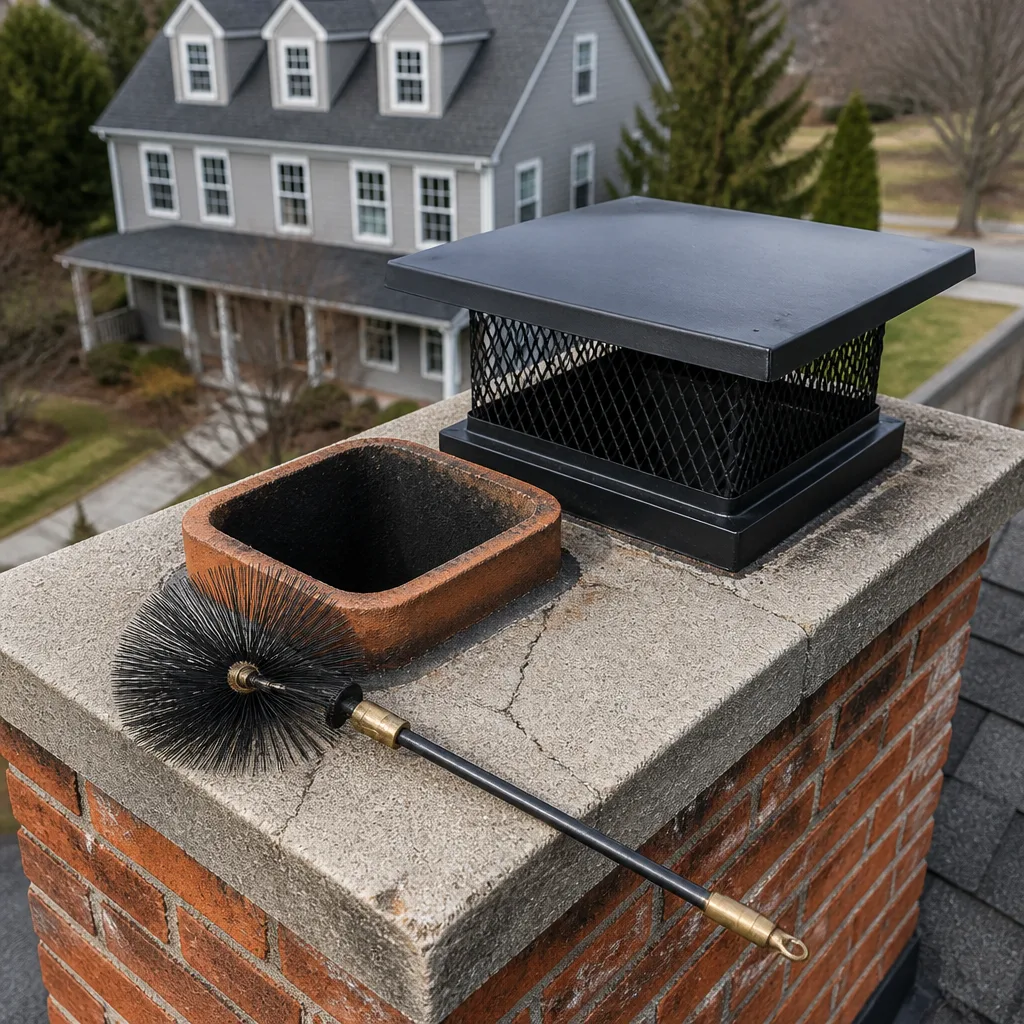 Sweep & inspection
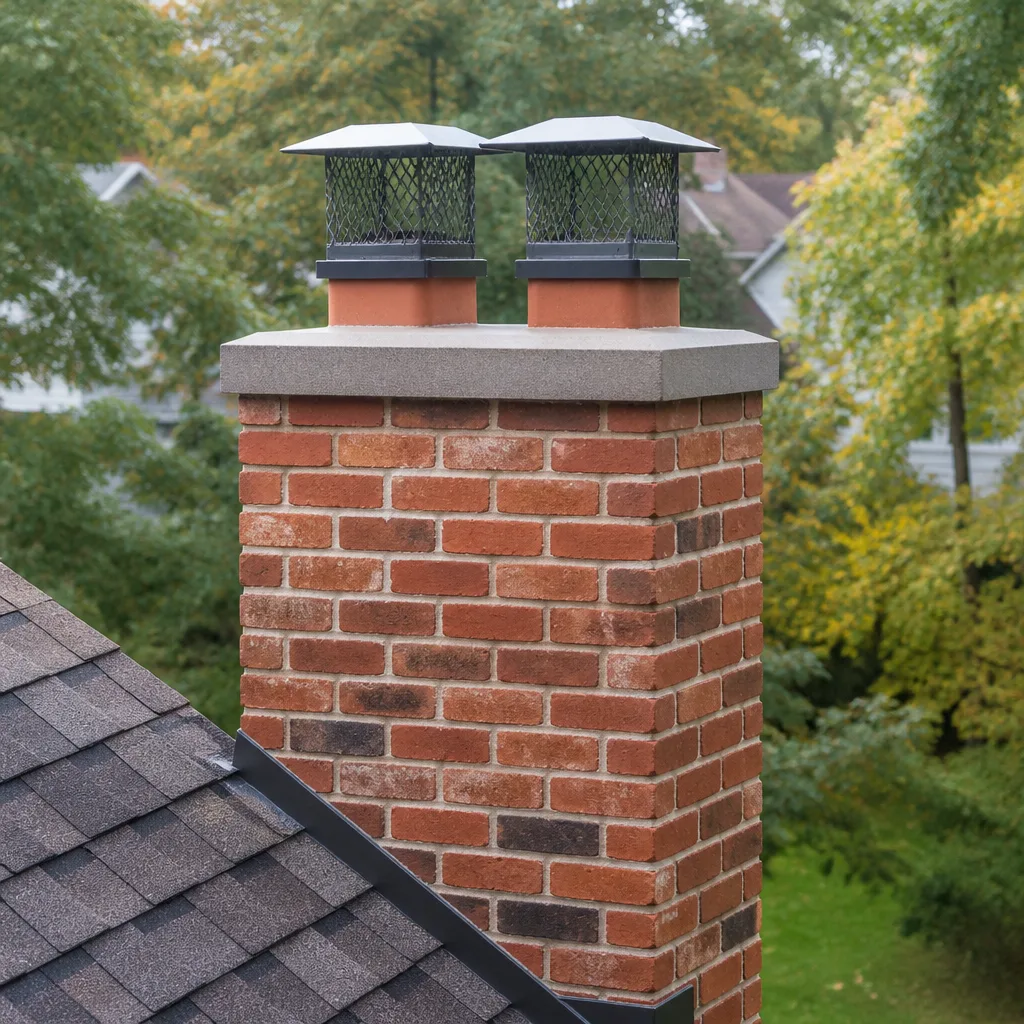 Caps & crowns
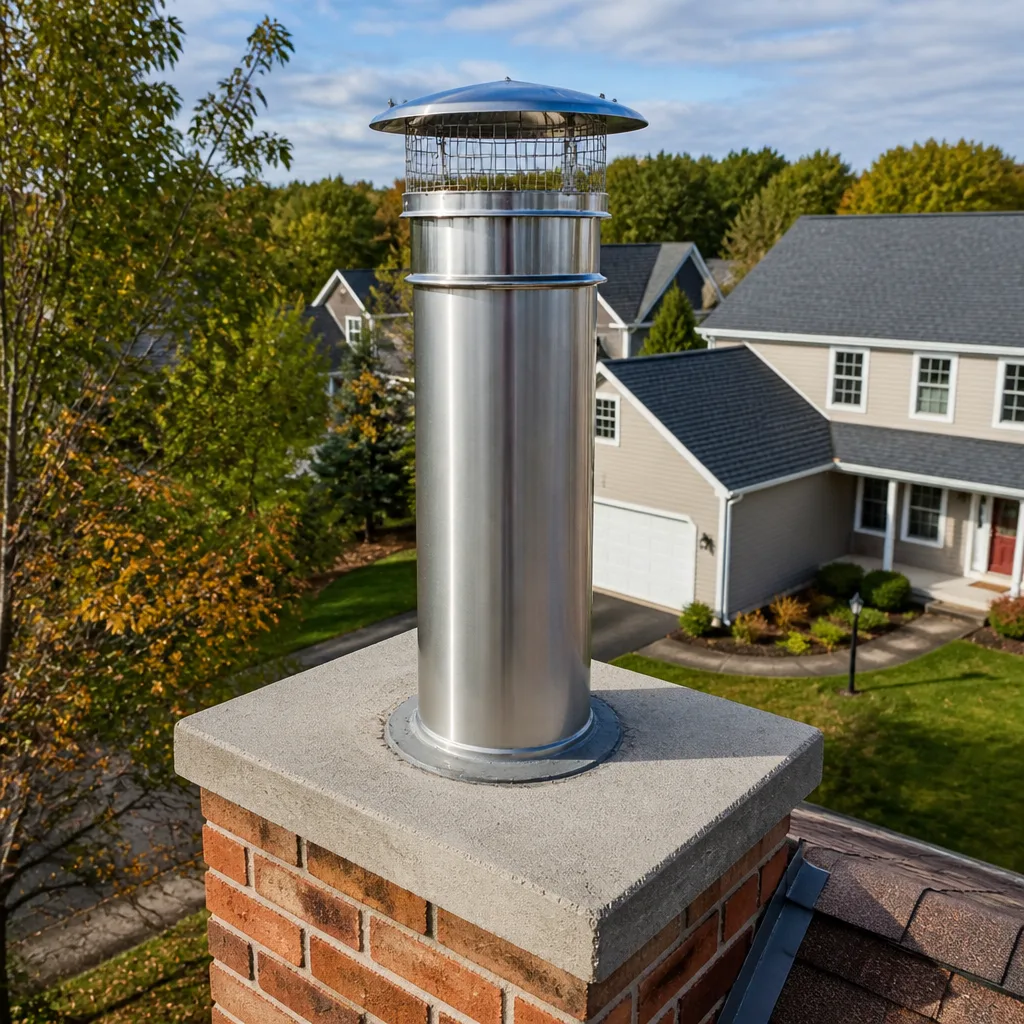 Flue relining
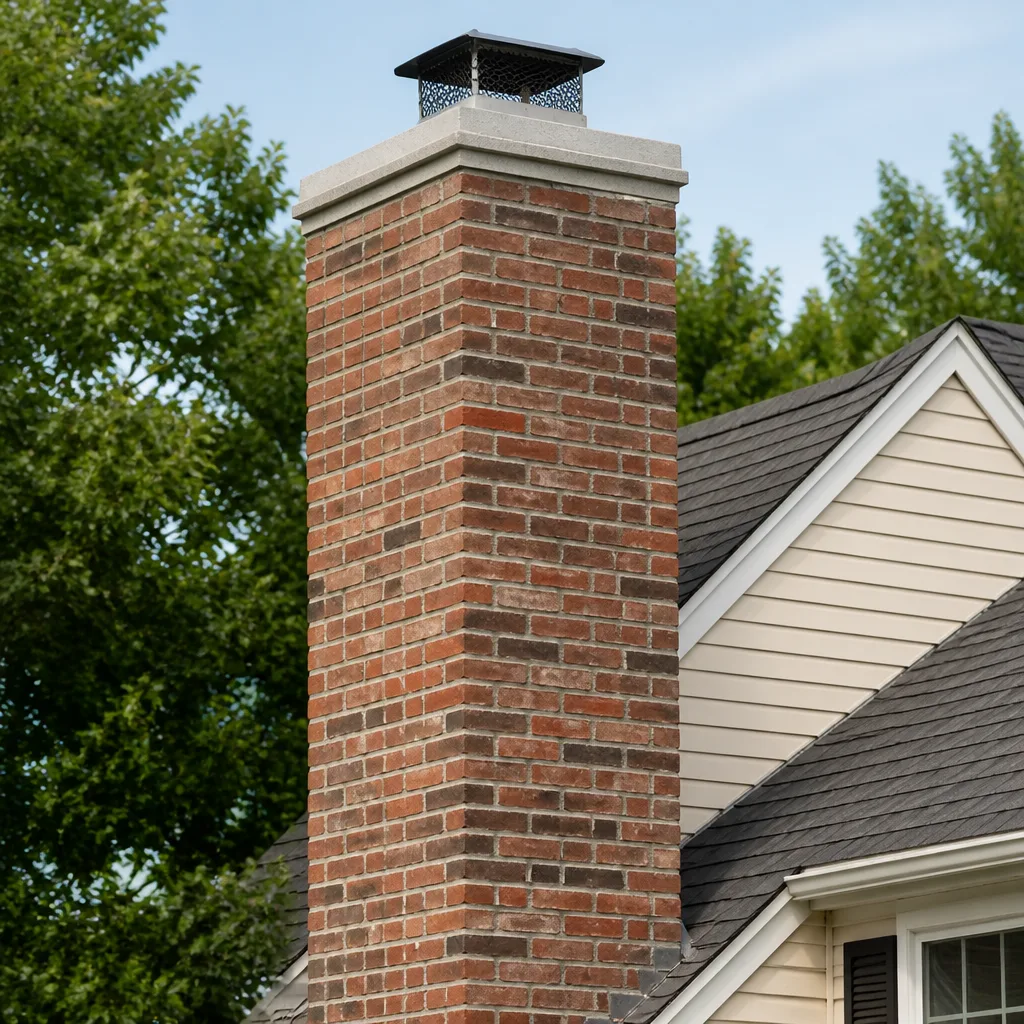 Masonry repair
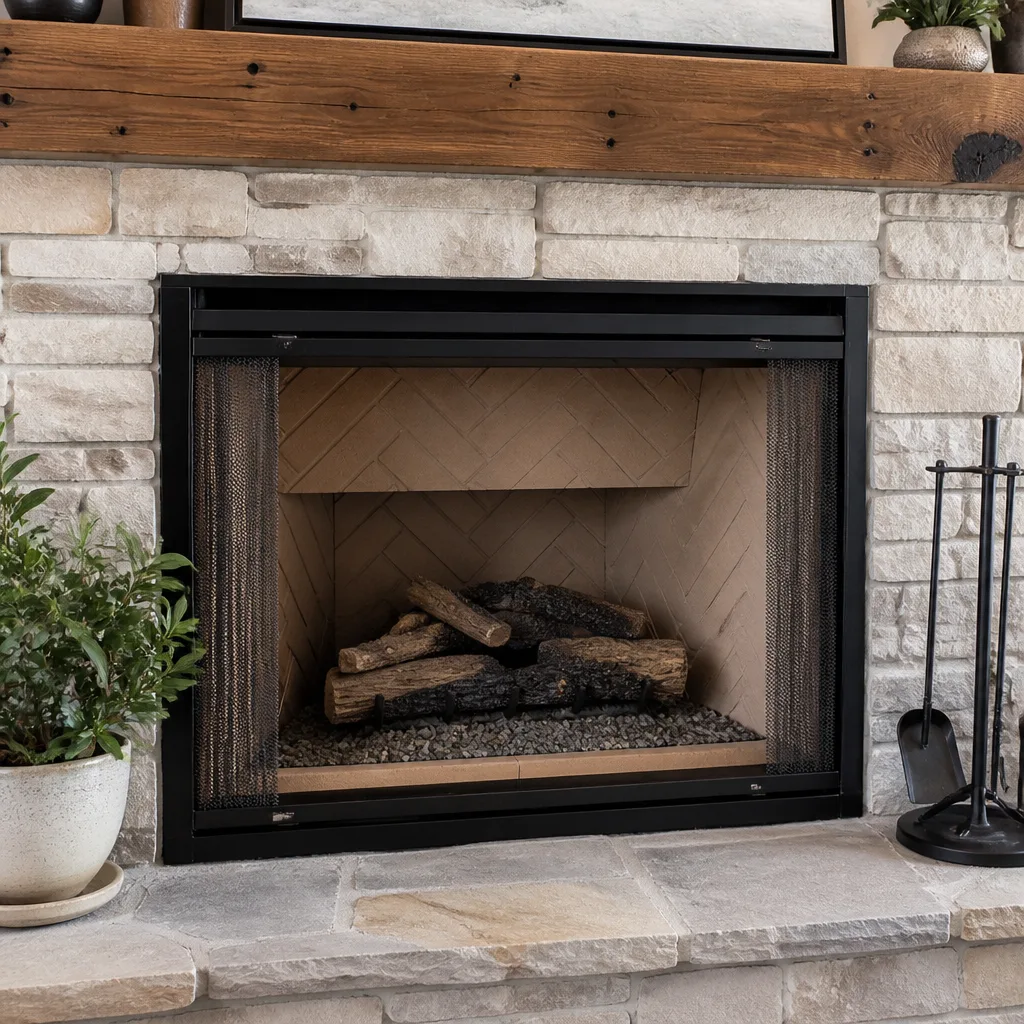 Gas fireplace service
Level 1 sweep and inspection to the NFPA 211 annual standard - flue, crown, cap, and flashing checked and photographed
Chimney sweep logs do not sweep chimneys. They loosen some creosote - which then falls where a brush and vacuum still have to collect it.
Seasonal Chimney Cleaning Care for Boulder: Year-Round Homeowner’s Guide
Most chimney advice runs on a two-season calendar: sweep in fall, forget it until next fall. That calendar was written for places with long, predictable winters, and it doesn’t fit Boulder. Here on the Front Range, the first fire of the year often happens during a September cold snap, weeks before anyone thinks to book a cleaning. By then, birds and wasps have had all summer to move into an uncapped flue, and the creosote from last spring is still sitting on the walls. This guide lays out a month-by-month care calendar built around how Boulder actually heats, burns, and freezes, so you know what to check and when to schedule it.
Styles & brands we work with
- Sweep & inspection
- Caps & crowns
- Flue relining
- Masonry repair
- Gas fireplace service
Quick Answer
Chimney care in Boulder runs on a year-round cycle, not a fall-only routine. Sweep and inspect in late summer before the first cold snap, check the crown, flashing, and smoke shelf after the spring freeze-thaw cycle, and keep the cap and damper sealed through wildfire smoke season and any months the house sits empty. A wood-burning chimney generally needs sweeping once a year, or more often if you burn heavily.
Table of Contents
- Why Boulder Needs Its Own Chimney Calendar
- The Month-by-Month Chimney Care Calendar
- Why Late Summer Is the Best Time to Schedule Cleaning
- What Wildfire Smoke Season Does to an Idle Chimney
- Spring Tasks After the Freeze-Thaw Cycle
- Winterizing a Chimney When You Won’t Be Home
- Gas Fireplaces Need Seasonal Care Too
- Common Mistakes to Avoid
- When to Call a Professional
- Frequently Asked Questions
- The Bottom Line
Why Boulder Needs Its Own Chimney Calendar
Boulder sits where the plains meet the mountains, and that geography drives weather that swings hard and fast. A warm October afternoon can turn into a hard freeze overnight. Spring brings freeze-thaw cycles that work on masonry the way water works on a crack in a sidewalk: it gets in, expands, and opens things up. Wildfire smoke from fires west of the city rolls in during the summer months and lingers in the valley. None of that fits the tidy “burn season” model most chimney guides assume.
What it means for your chimney is that the system faces stress all year, not just in the months you’re lighting fires. Masonry absorbs moisture from snowmelt and rain, then freezes and expands. An idle flue in summer becomes a nesting site. Smoke pushed back down an open damper during a wildfire smoke event coats the firebox and the smoke shelf. Each season leaves something behind for the next one.
A Boulder-specific calendar accounts for three things a generic guide misses:
- Shoulder-season burns. September and even late August cold snaps trigger early fires, often before an inspection has happened.
- Freeze-thaw damage windows. The crown and flashing take the most abuse in late winter and early spring, when water gets in and refreezes.
- Smoke-season intrusion. Summer air quality events push particulate into an open flue and leave residue behind.
Treat the chimney as a system that needs attention in every season – from the firebox to the cap – and the calendar below makes sense. We offer Chimney Sweep Boulder as the starting point for homeowners who want the whole system looked at together.
The Month-by-Month Chimney Care Calendar
Here’s the calendar we’d hand a Boulder homeowner who wants a simple, repeatable routine. It’s built for a house that burns wood in winter, but the inspection and moisture checks apply to gas fireplaces too.
January through February: Peak Burn Season
- Keep an eye on draft. If smoke rolls into the room instead of up the flue, stop burning and get the flue checked.
- Watch for creosote buildup if you’re burning often. Glazed, shiny creosote is a sign it’s time to schedule a cleaning.
- Check that the cap is still seated after wind events. A dislodged cap lets snow and birds in.
March through April: Freeze-Thaw Inspection Window
- Inspect the crown and flashing from the ground where possible. Cracks and lifted flashing are common after a hard winter.
- Clear the smoke shelf and firebox of debris that collected over the burn season.
- Look for interior water stains near the chimney chase, which point to a leak above.
May through July: The Off-Season and Smoke Season
- Keep the damper closed when the fireplace isn’t in use, especially during wildfire smoke events. An open damper is an open door for particulate.
- Confirm the cap is intact and screening birds and insects out of the flue.
- This is the calmest window for repair work, before the late-summer rush.
August through September: The Best Time to Schedule Cleaning
- Book your sweep and inspection before demand spikes and before the first cold snap.
- Get any liner or crown repairs done now, while the flue is dry and the calendar is open.
October through December: First Fires and Fall Check
- Have the chimney inspected before the first real fire if you haven’t already this year.
- Test the damper and confirm the cap is sealed against early snow.
Our technicians have up to 14 years of experience, and the pattern they see repeats every year: the homeowners who schedule in August and September are the ones whose first burn in October is a safe one. If you want that schedule, a chimney sweep booked in late summer gets you ahead of the crowd.
Why Late Summer Is the Best Time to Schedule Cleaning in Boulder
Late summer – roughly August and September – is the single best stretch of the year to schedule a chimney cleaning in Boulder, and the reasons are practical. If you’ve ever tried to book a sweep in late October after the first cold snap, you already know how the calendar fills up. August gives you room to breathe, a dry flue, and time to handle repairs before cold weather arrives.
Three things make late summer work in your favor:
- The flue is dry. After months without fires, the flue walls have had time to dry out. Creosote and soot come off cleanly, and a technician can see the liner and smoke shelf clearly without fighting moisture. That means a more accurate inspection and a better sweep.
- The calendar is open. Demand climbs sharply as soon as the forecast shows a cold night. Booking in late summer means more scheduling options and more time to handle any repair that turns up without pressure.
- Repairs finish before the season. If the sweep turns up a cracked crown or a deteriorated liner, there’s still good weather to make the fix. The same repair in November can mean a cold house while you wait. (We answer 24/7 when you call, and fast dispatch runs 7am to 7pm, Sunday through Friday.)
One thing late summer helps with that’s easy to overlook: nesting season has ended. Birds and wasps have had all spring and summer to settle into an uncapped flue, and a late-summer cleaning clears out what they left behind. If your cap is damaged or missing, that’s the moment to fix it, before the cycle starts again in the spring.
We work with professional-grade products – Gelco and Famco caps and ventilation hardware, Olympia Chimney components, DuraFlex stainless-steel liner systems – the same brands specialists install, not hardware-store substitutes. When a late-summer check turns up a worn cap, we replace it with a purpose-built component rather than an improvised fix.
What Wildfire Smoke Season Does to an Idle Chimney
Boulder sits downwind of wildfire country, and summer smoke events are part of the calendar here. An idle chimney in June or July seems harmless, but it’s still an open pathway into your home if the damper is left open. Fine particulate from smoke drifts down the flue, settles on the smoke shelf and firebox, and eventually finds its way into the room. The smell of last summer’s smoke in a cold firebox is often the first sign the whole system needed attention.
What actually happens inside an idle chimney during smoke season:
- Ash and particulate intrusion. Smoke pushes down an open damper and settles on surfaces, especially in a flue with a strong draft that reverses during hot afternoons.
- Air quality bypass. An open damper is a direct vent into the living space. During a smoke event, that means indoor particulate levels rise much as they would with an open window. Keep the damper closed whenever the fireplace isn’t in use.
- Residue on the smoke shelf. The smoke shelf is designed to catch debris and turn the draft. Over a summer it collects ash and soot, and it needs clearing before the burn season starts.
The fix is mostly simple housekeeping. Close the damper when the fireplace is cold. Check the cap and make sure it’s secure and screened. And when you book the late-summer sweep, ask the technician to clear the smoke shelf and firebox along with the flue, which a proper chimney repair visit or sweep should always include. If a summer smoke event has left a heavy deposit, an inspection will tell you whether a cleaning is needed before the first fire or can wait.
Spring Tasks After the Freeze-Thaw Cycle
Spring is when Boulder’s winter shows up in the masonry. Water gets into small cracks in the crown and around the flashing, then refreezes overnight and expands. Repeat that cycle through a Front Range winter and spring, and small problems grow. That heave damage is the reason spring is a good time to look at the parts of the chimney you can see from the ground, and to schedule a professional check of the parts you can’t.
Spring checklist for a Boulder homeowner:
- Inspect the crown. Look for cracks, spalling, or pieces that have lifted. A crown that heaves and lets water in is a top cause of chimney leak damage.
- Check the flashing. The metal flashing at the roofline is where most chimney leaks start. Lifted or missing flashing lets water run down the chase.
- Clear the smoke shelf. Ash and debris collect there over winter and spring. A blocked smoke shelf can affect draft the next time you light a fire.
- Look inside for water stains. Staining on the ceiling or chase near the chimney means water is getting in somewhere above.
- Confirm the cap survived the winter. Snow, ice, and wind take a toll on caps. A loose or damaged cap lets water and wildlife in during the off-season.
For masonry repairs, we install HeatShield ceramic resurfacing, which can restore a deteriorated flue liner without a full relining. It’s the honest, less invasive option when the liner has minor damage, and we’ll tell you plainly when a liner really does need to be replaced instead. If spring inspection turns up a cracked crown or leaky flashing, a fireplace repair visit can address the firebox and the parts around it at the same time, so you’re not chasing the problem from one trade to the next.
Winterizing a Chimney When You Won’t Be Home
If you leave Boulder for the winter, or you’re leaving a second home empty through the cold months, the chimney needs a little attention before you go. An empty house is where chimney problems quietly develop. Moisture gets in, the house sits cold, and by spring the crown or the liner has taken damage nobody saw coming. The goal of winterizing is to seal moisture out and close the pathways before the house goes quiet.
A simple winterizing routine:
- Seal the damper. Close it fully. If it doesn’t seat properly, get it fixed or add a chimney-top damper so the flue isn’t open to moisture and wildlife.
- Inspect the cap. Confirm the cap is intact and secured. A missing cap over an empty winter is the most common way water and birds get into a vacant chimney.
- Check the crown and flashing. Fix any cracks or lifted flashing before the freeze sets in, so water can’t get in and heave the masonry while the house sits empty.
- Prevent moisture intrusion inside. Look for signs of a leak around the chase before you leave, and get the roof-to-chimney junction checked if anything looks off.
If the house is heated but empty, keep some warmth in the rooms near the chimney to reduce condensation on cold masonry. If you’re closing the chimney off entirely, use a cap or cover made for that purpose. This is also the time to get a camera inspection on record, so you know the condition of the system before you leave it unattended for months. When you’re back and ready to light the first fire, the inspection tells you whether anything changed while the house was empty.
Gas Fireplaces Need Seasonal Care Too
A gas fireplace doesn’t produce creosote the way a wood fire does, but it still needs seasonal attention. The vent, the firebox, and the ignition and controls all benefit from a check. Gas appliances can develop venting problems that push combustion byproducts back into the room, and that’s a safety issue worth treating seriously, just as you would for a wood chimney.
What gas fireplace care looks like through the year:
- Before the burn season: check the firebox and vent, and have the controls and ignition verified if they’ve been idle.
- After the spring check: clear any debris from the vent termination on the exterior, which is easier to spot in spring than in the middle of winter.
- During smoke season: an idle gas fireplace with a closed vent run doesn’t draw in smoke the way an open damper does. But the vent termination still needs to be secure against water and pests.
We service gas fireplaces as part of our fireplace repair work and can tell you honestly whether the firebox needs service or is fine. If you’ve noticed smells, soot, or a change in the flame, don’t run it until it’s checked. A technician with the right tools will assess the venting and the controls and explain what actually needs fixing.
For wood and gas alike, the seasonal calendar above is the backbone of a safe chimney year. The rest is knowing which season does what.
Common Mistakes to Avoid
- Waiting for the first cold snap to schedule a cleaning. Boulder’s first fire of the year often comes in September, before anyone has booked a sweep. The calendar fills up fast when cold weather hits. Schedule in late summer instead.
- Leaving the damper open through smoke season. An open damper during a summer wildfire smoke event is an open vent into the house. Keep it closed whenever the fireplace is cold.
- Skipping the spring inspection after a hard winter. Freeze-thaw cycles on the Front Range are hard on crowns and flashing. Ignoring spring damage means water gets in and the problem grows over summer.
- Assuming a gas fireplace needs no chimney care. Gas fireplaces need venting and firebox checks the same way wood ones need sweeping. It’s a safety issue, not a convenience.
- Replacing a cap with a hardware-store substitute. A generic cap that doesn’t fit properly lets water and wildlife in. Purpose-built components from brands like Gelco and Famco fit and last.
- Winterizing a vacant house without checking the crown and cap. An empty house is where chimney moisture damage goes unnoticed. Inspect before you go, not after the freeze.
- Putting off a small repair until it becomes a big one. A hairline crack in the crown or a worn cap is a cheap fix. Left through another freeze-thaw season, it can mean a full crown rebuild or a water-damaged chase.
When to Call a Professional
Call a professional when smoke rolls into the room instead of up the flue, when you smell creosote strongly on warm days, when the cap is damaged or missing, or when you notice water stains near the chimney chase. Those are signs of a real problem, not a seasonal nuisance. Breaks in the system also show up as glazed or shiny creosote, a damaged crown, or lifted flashing, and none of those are things to leave through another freeze-thaw cycle. If you’re not sure, a fresh inspection is the honest way to find out, and an expert will tell you plainly when work can safely wait. Boulder homeowners should also call if the fireplace has sat idle through a smoke-heavy summer and hasn’t been checked since last season. Chimney Sweep Boulder offers free estimates in Boulder – call (855) 658-5187. We answer 24/7. Fast dispatch from 7am to 7pm, Sunday through Friday.
Frequently Asked Questions
Most wood-burning chimneys in Boulder should be swept once a year, and more often if you burn frequently or if a lot of glazed creosote builds up. The annual sweep is a good baseline, but a chimney that’s heavily used in winter may need a mid-season cleaning. A professional can tell you whether your chimney is on a yearly or more frequent schedule based on what they see in the flue.
Late summer – August and September – is the best window. The flue is dry after months without fires, the schedule is open before the cold-weather rush, and there’s time to fix anything the inspection turns up before the first fire. Scheduling then also puts you ahead of the early September cold snaps that often prompt the first fire of the year.
Skipping a check lets small problems grow through the seasons. A minor crown crack left through a Boulder freeze-thaw cycle can spread, flashing can pull loose and leak, and a missing cap lets water and birds into the flue over the off-season. None of those are emergencies, but each gets more expensive the longer it sits. An annual inspection is the cheapest way to catch them early.
Not every damaged liner needs full replacement. HeatShield ceramic resurfacing can restore a deteriorated flue liner without full relining when the damage is moderate. We’ll tell you honestly which your chimney actually needs, and we won’t recommend a full liner unless the evidence supports it. Ask for the camera inspection detail so you can see what the technician sees.
Incorrect. A gas fireplace still needs its venting and firebox checked seasonally. Gas appliances can develop venting problems that push combustion byproducts into the room, which is a safety concern, and the exterior vent termination still needs to stay clear of debris and pests. Treat a gas fireplace with the same seasonal attention you’d give a wood one.
Seal the damper fully, inspect the cap and confirm it’s secure, check the crown and flashing for cracks or lifted metal, and look for interior water stains before you go. The idea is to close every pathway moisture or wildlife could use while the house is empty and cold. If you’re not sure how to do it, a professional inspection before you leave is the reliable way.
The Bottom Line
Chimney care in Boulder works best as a year-round calendar, not a fall routine. Sweep and inspect in late summer, before the first cold snap and the demand spike that comes with it. Check the crown, flashing, and smoke shelf after the spring freeze-thaw cycle. Keep the damper closed and the cap secure through smoke season, and winterize the system properly if the house will sit empty. The whole point of a seasonal calendar is to catch small problems before a season turns them into big ones. If you’d like a fresh inspection or a sweep booked on your schedule, call Chimney Sweep Boulder at (855) 658-5187 for a free estimate.
Written by the team at Chimney Sweep Boulder.
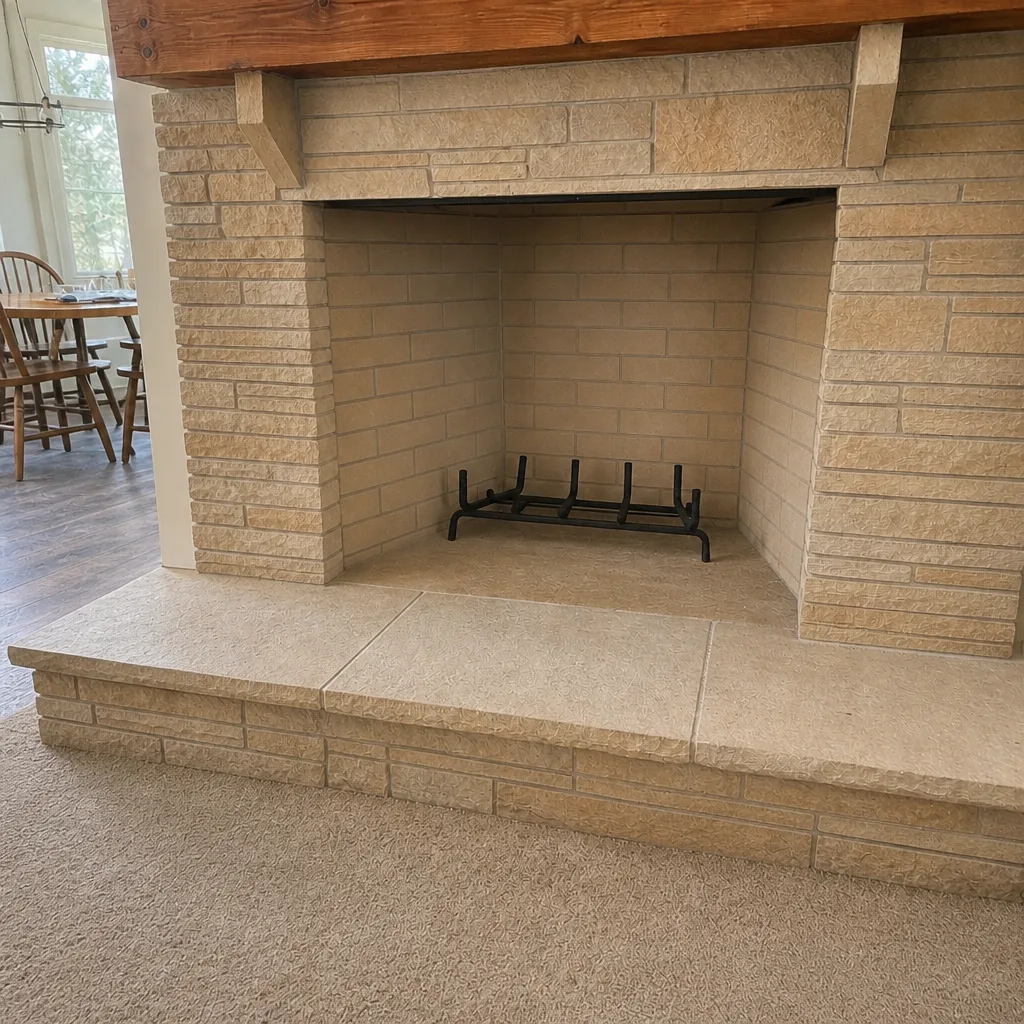
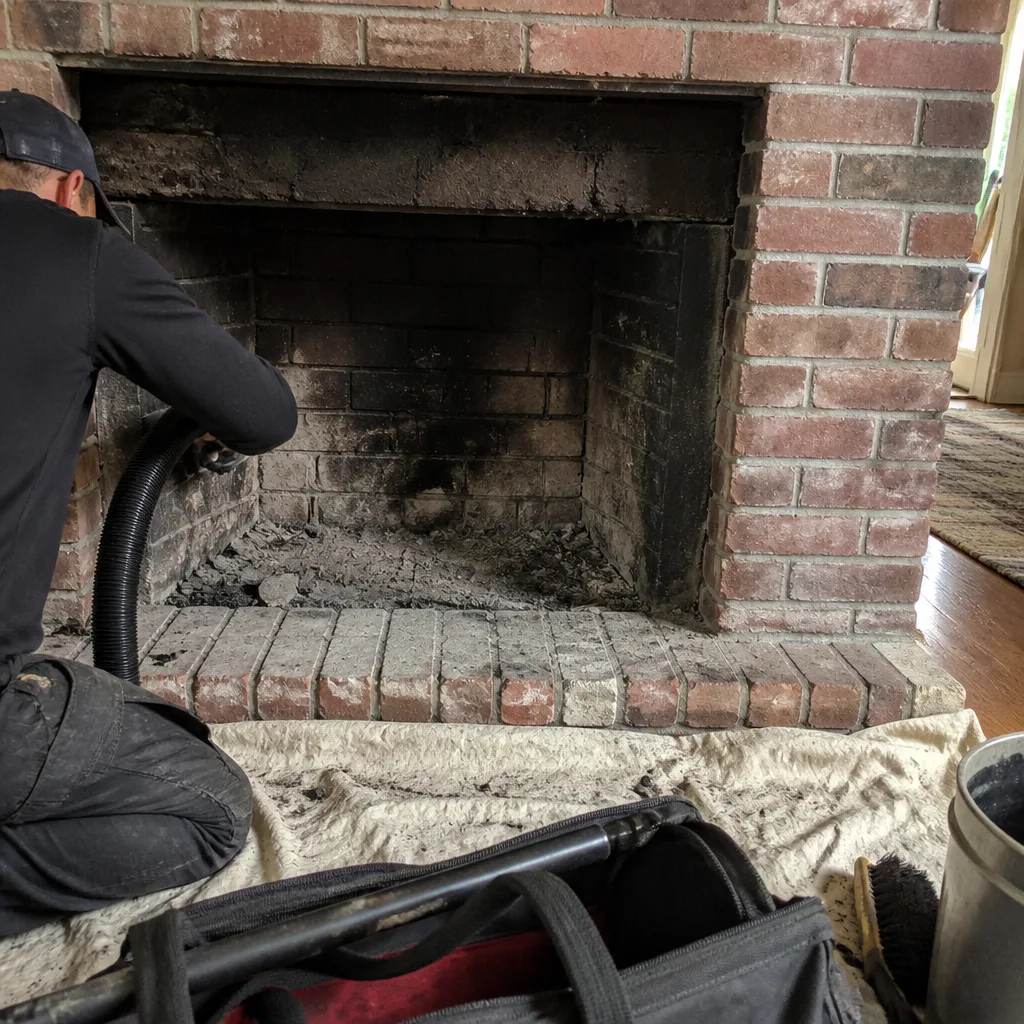
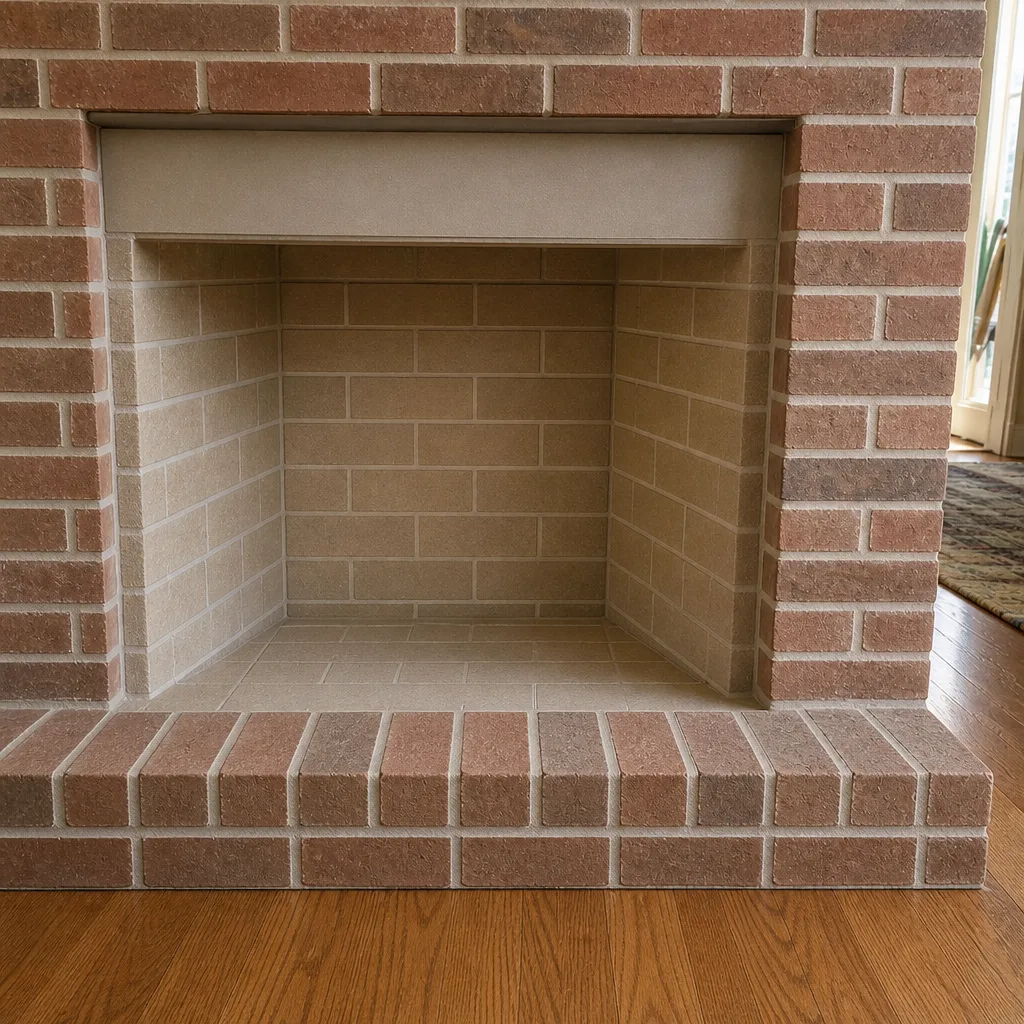
See the difference
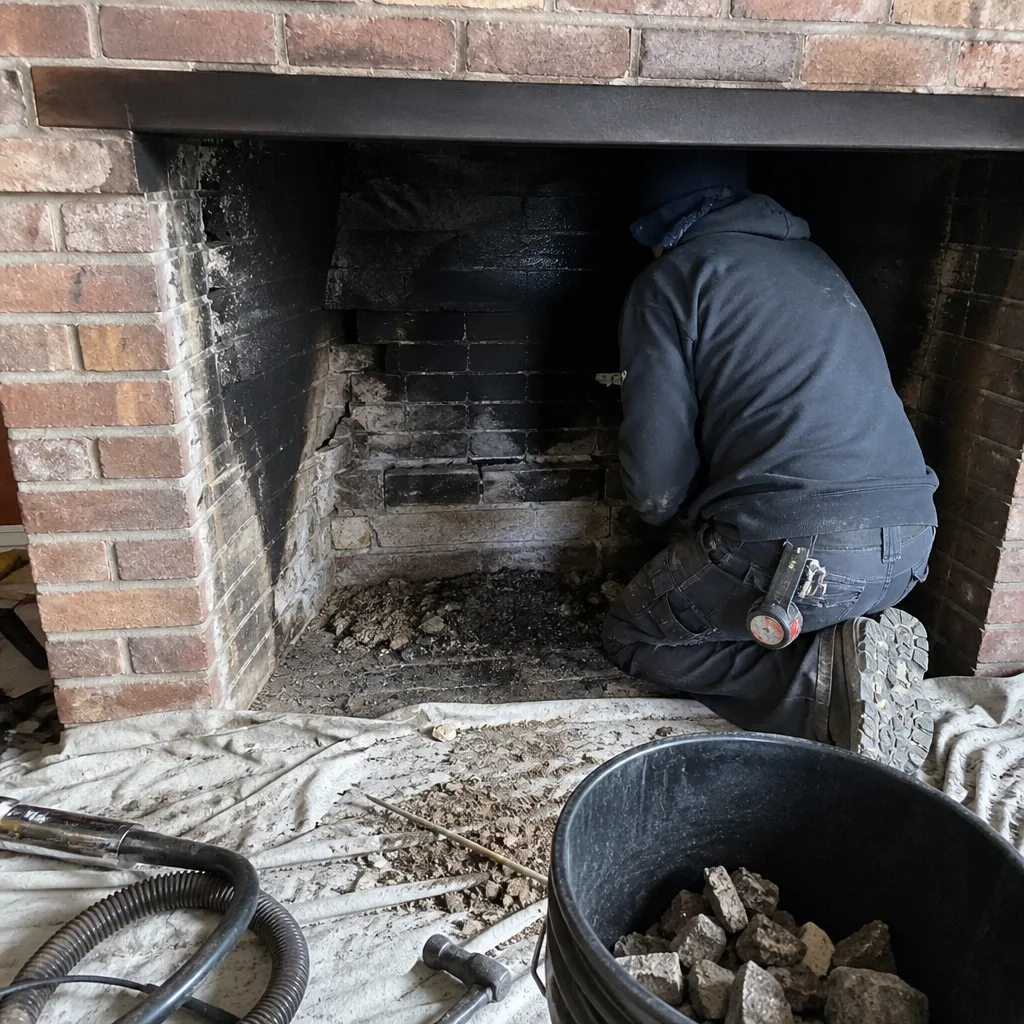 Before
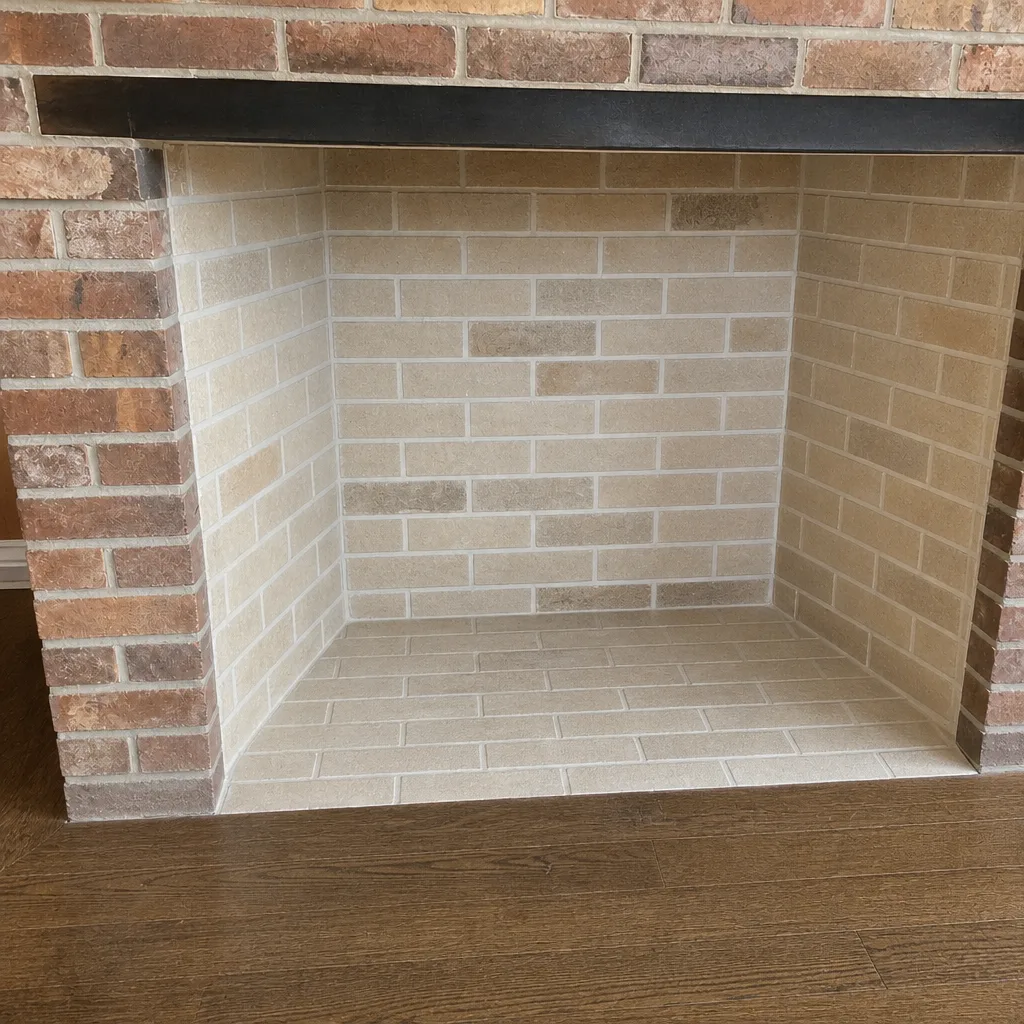 After
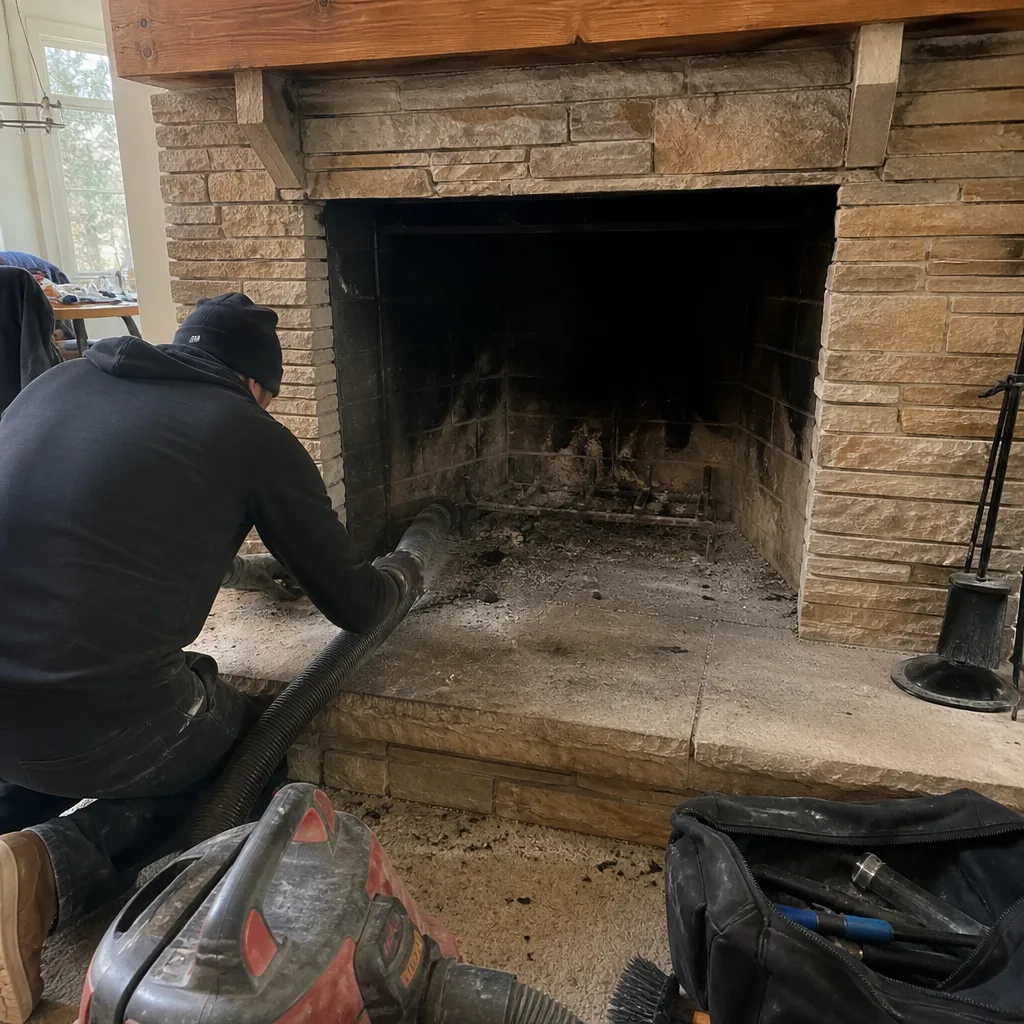 Before
 After
 Before
 After