
Last updated November 23, 2026
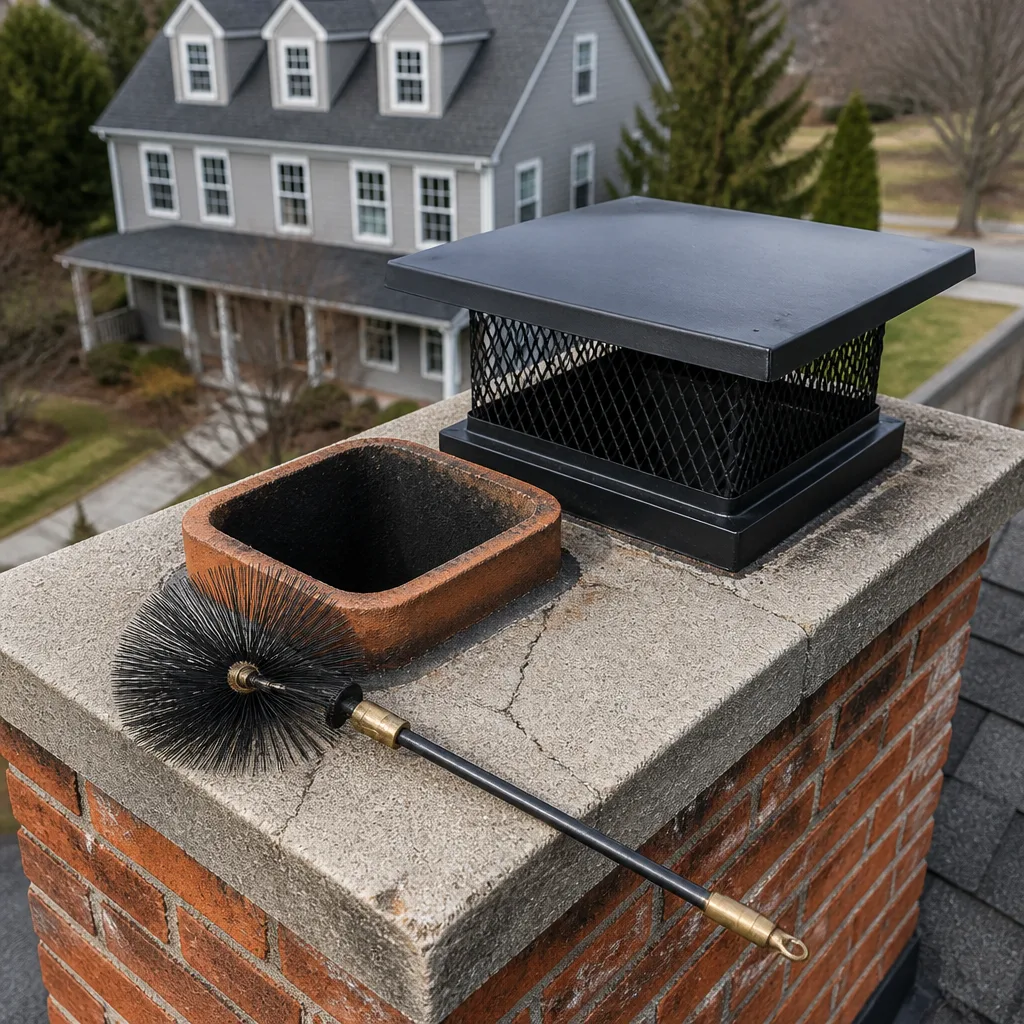 Sweep & inspection
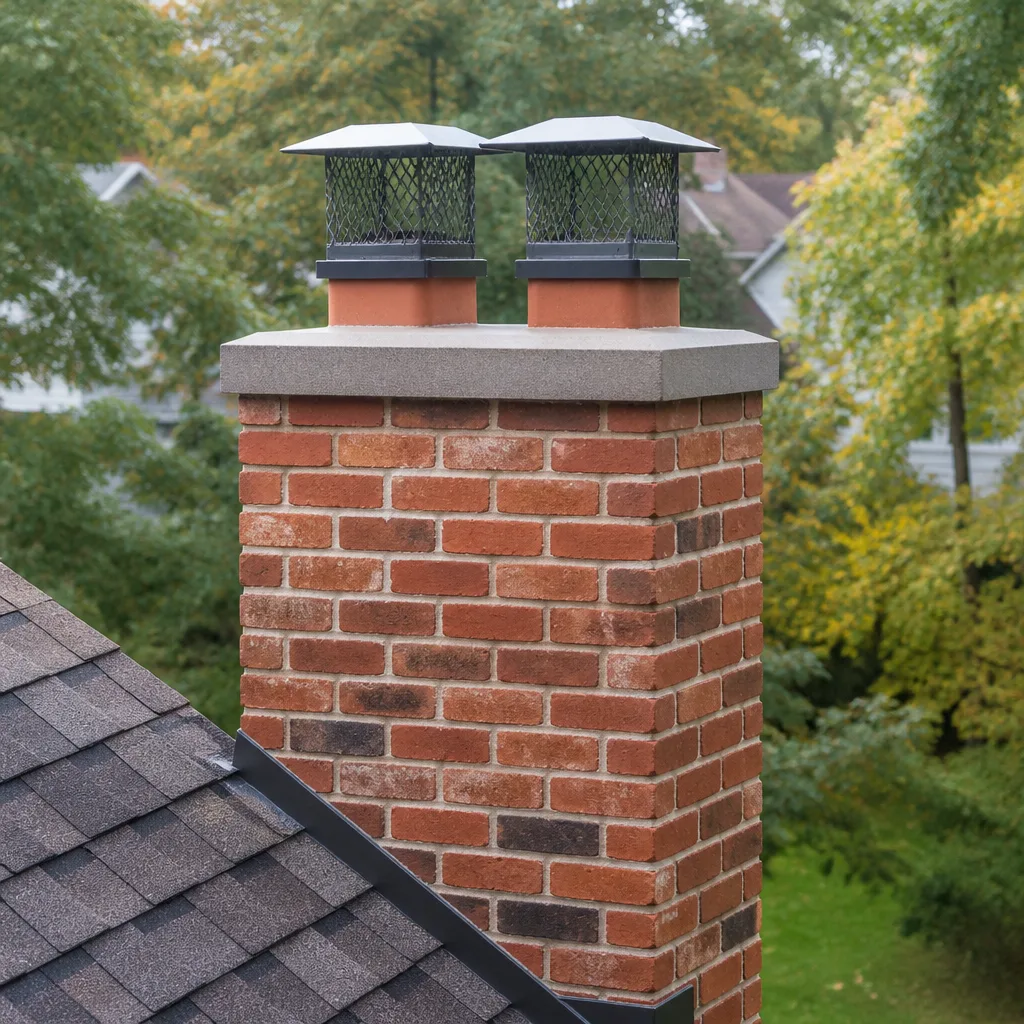 Caps & crowns
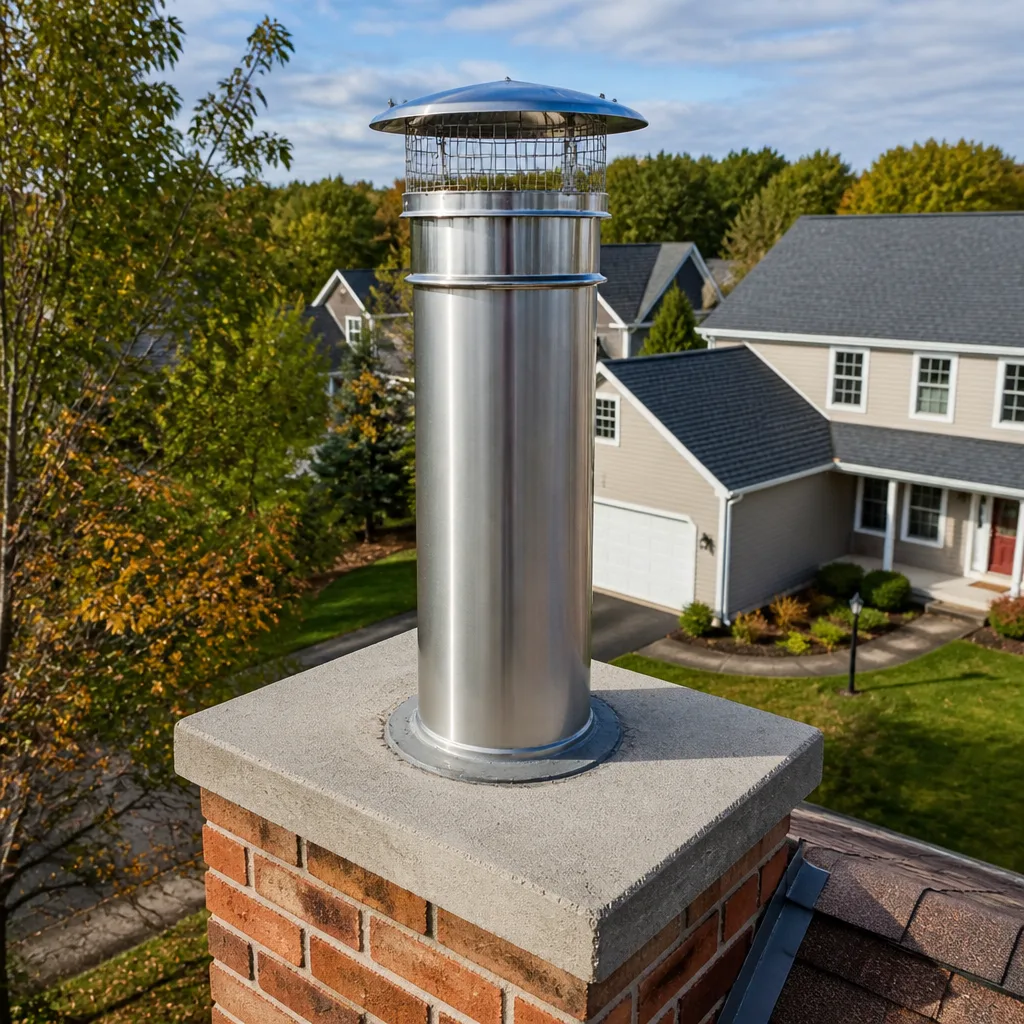 Flue relining
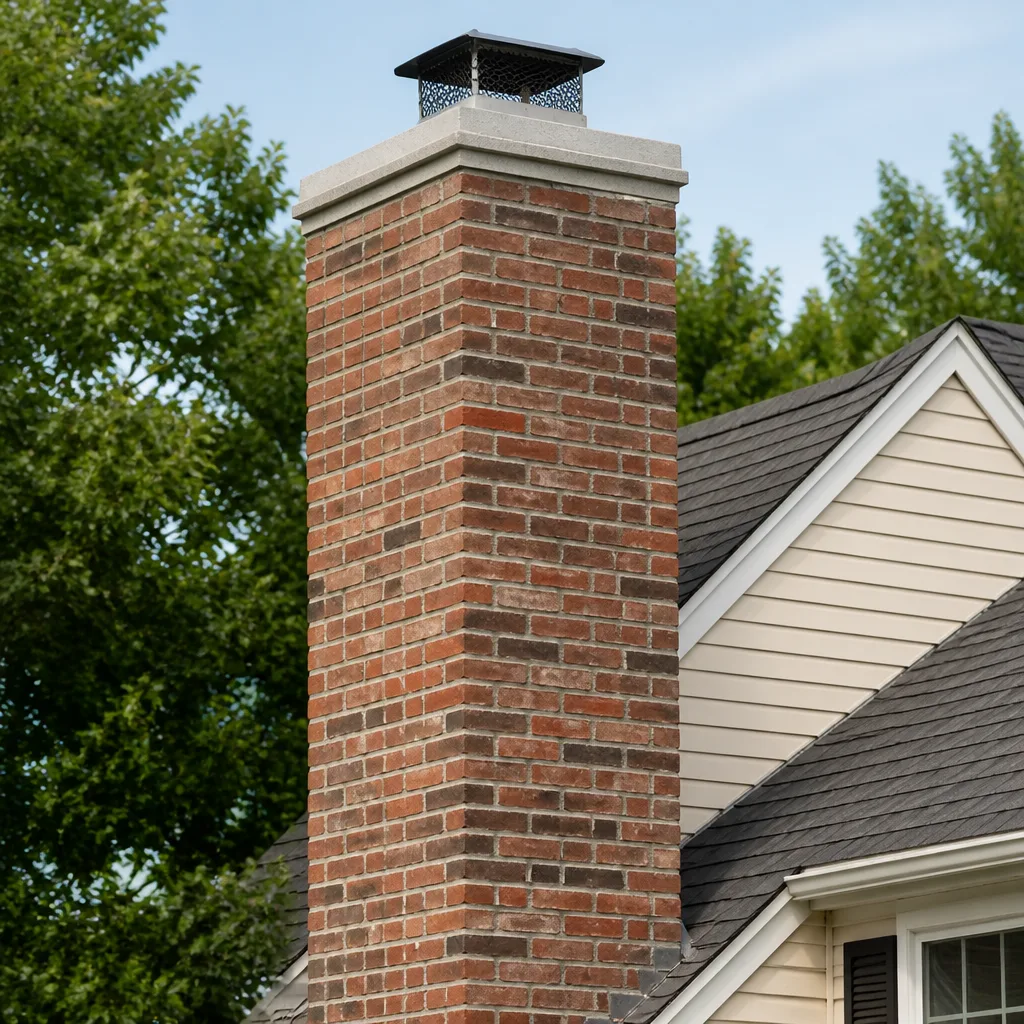 Masonry repair
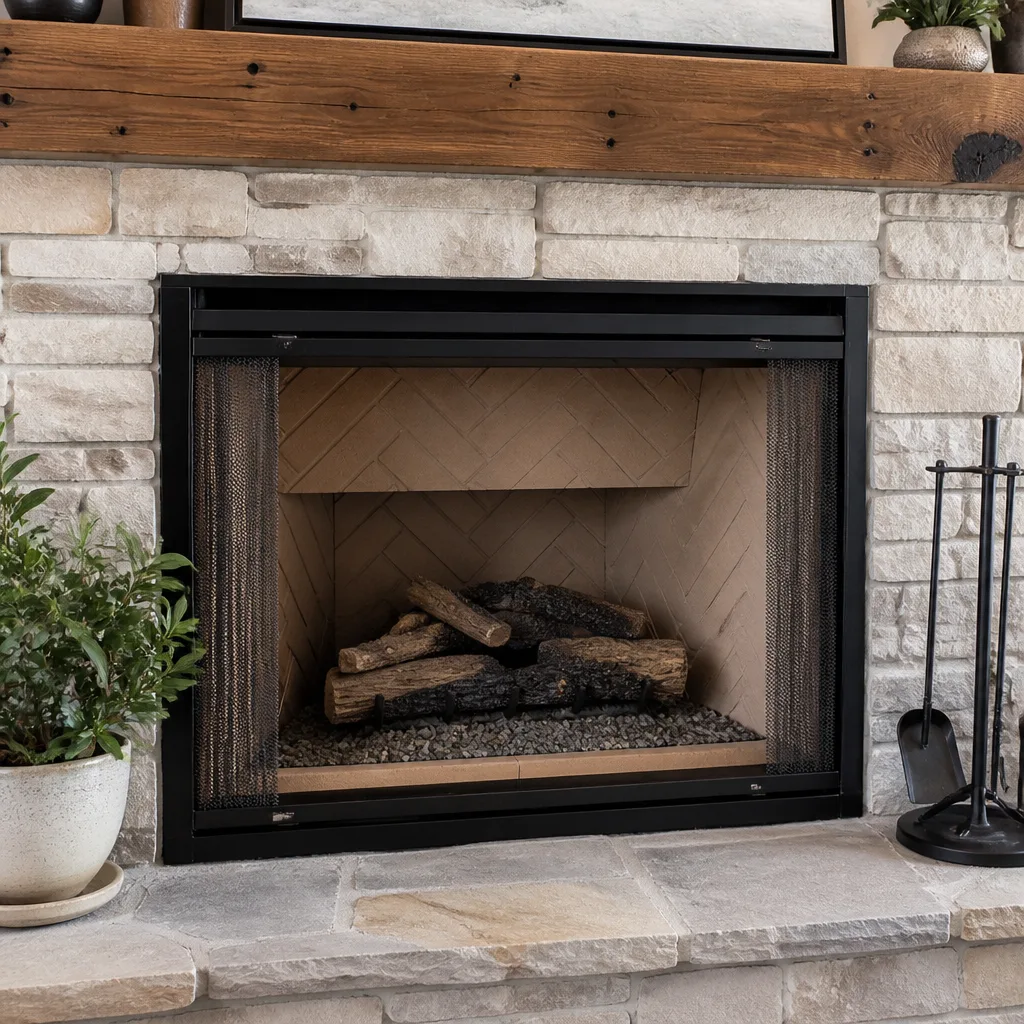 Gas fireplace service
Level 1 sweep and inspection to the NFPA 211 annual standard - flue, crown, cap, and flashing checked and photographed
Chimney sweep logs do not sweep chimneys. They loosen some creosote - which then falls where a brush and vacuum still have to collect it.
Chimney Cleaning Permits, Codes & Inspections in Boulder, CO: What You Need to Know
Here’s the part most homeowners miss: whether your chimney work needs a permit has almost nothing to do with how big the invoice is. A full sweep with a camera inspection doesn’t trigger anything. Replacing the flue liner inside the same chimney chase can require a building permit, an inspection, and a paper trail that a title company will want to see years later. We’ve watched otherwise clean closings stall in Boulder County because a relining job left no permit record behind. This guide walks through which chimney work is permit-exempt and which isn’t, how NFPA 211 and the adopted building codes fit together in Colorado, when a Level 2 inspection is actually required rather than suggested, and how to check permit history on a house before you buy it.
Quick Answer
Routine chimney cleaning and sweeping do not require a permit in Boulder or Boulder County. Cap replacement and minor mortar repair also generally fall outside permit requirements, though it’s always worth confirming with the City of Boulder’s building department. But liner replacement, structural chimney repair, and new appliance installation typically do require a permit, and the work needs to meet NFPA 211 and the International Residential Code Chapter 10 as adopted in Colorado. A Level 2 inspection is required, not just recommended, during a real estate transaction and after any chimney fire.
Styles & brands we work with
- Sweep & inspection
- Caps & crowns
- Flue relining
- Masonry repair
- Gas fireplace service
Table of Contents
- Which chimney work is permit-exempt in Boulder?
- Which chimney work requires a building permit?
- How NFPA 211 and IRC Chapter 10 apply in Colorado
- What is a Level 2 inspection, and when is it required?
- How to check permit records on a Boulder home
- Why permits protect your insurance claim after a chimney fire
- Permits, resale, and the home sale inspection
- How Boulder’s climate affects chimney wear and code compliance
Which chimney work is permit-exempt in Boulder?
Chimney cleaning and sweeping are maintenance, not construction, and no permit is required in the City of Boulder or unincorporated Boulder County. The same generally holds for work that doesn’t alter the structure of the chimney or the venting system. The line between maintenance and construction is where homeowners get tripped up, and where a contractor who’s cutting corners can leave you holding the bag.
Work that typically falls outside permit requirements:
- Chimney sweeping and creosote removal, including from the firebox and smoke chamber.
- Cap replacement using a like-for-like cap or upgrading to a professionally sourced cap from a brand like Gelco or Copperfield.
- Minor mortar repair on the crown or exterior joints, where you’re re-pointing existing masonry rather than rebuilding it.
- Level 1 and Level 2 inspections, which are diagnostic and don’t alter the chimney.
- Damper replacement in many cases, though this depends on how the damper is mounted and whether the firebox is modified.
That last point is the one we end up explaining most. A damper swap that only replaces the existing hardware is usually fine. A damper swap that involves cutting into the firebox or changing the smoke shelf can cross into permit territory. When you’re not sure, calling your city’s building department with the address and the scope of work takes about ten minutes and settles the question.
It’s also worth knowing that “permit-exempt” doesn’t mean “quality-exempt.” A cap installed with the wrong clearances or a crown patched with the wrong mortar can fail in a couple of Boulder winters and turn a small repair into a big one. This is one reason we prefer purpose-built components from brands like Famco and Copperfield rather than improvised hardware-store fixes: the parts are designed to hold up and the documentation is clear.
Which chimney work requires a building permit?
A chimney permit is typically required in Boulder and Boulder County when the work changes the structure of the chimney or the venting system. That covers more of the trade than many homeowners expect, and it’s where the permit trail matters most.
Work that generally requires a permit:
- Flue liner replacement or relining, whether with a flexible stainless system from DuraFlex or another approved liner.
- Structural chimney repair, including rebuilding a chimney above the roofline, major masonry reconstruction, or correcting a leaning stack.
- Fireplace insert or wood stove installation, including the venting that connects the appliance to the chimney.
- Firebox rebuilds that change the dimensions of the firebox or alter the smoke chamber.
- Chase conversions and chimney removals, both of which alter the building envelope.
- HeatShield ceramic resurfacing in many cases, because it restores a deteriorated flue liner and in some jurisdictions is treated the same as relining for permitting purposes. Current practice varies, so it’s worth asking your building department directly. HeatShield is a repair method that can restore a liner without a full reliner, which is one of the reasons we use it when the liner hasn’t failed structurally.
If you’re working with us on a relining or repair project in Boulder, we coordinate the permit with the local professional team doing the work. You don’t need to file paperwork yourself. What you do need to know is that the permit should exist, and it should have a final inspection recorded after the work is done.
One detail not enough contractors mention: a permit that was pulled but never inspected is almost as bad as no permit at all. A final inspection sign-off is what tells a future buyer, their inspector, and your insurer that the work closed out properly. Always ask for the inspection record, not just the permit number.
How NFPA 211 and IRC Chapter 10 apply in Colorado
Two different code frameworks apply to chimneys in Boulder: NFPA 211, the national standard for chimneys, fireplaces, vents, and solid fuel appliances, and Chapter 10 of the International Residential Code (IRC), which Colorado adopts through the International Building Code family. They overlap without fully duplicating each other, and understanding the difference helps you ask the right questions when a contractor proposes work.
NFPA 211 is the trade standard. It covers how a chimney should be constructed, how much clearance is required to combustibles, how a flue is sized, and how inspections are classified (Level 1, 2, and 3). Inspectors reference NFPA 211 because it’s the most specific guide to chimney performance. A Level 2 inspection, for example, is an NFPA 211 concept that’s now echoed in IRC and in the real estate transaction standards used across Colorado.
IRC Chapter 10 is the building code. It covers the structural and safety requirements a chimney must meet when it’s built or modified, and it governs what a building inspector signs off on. In Boulder, Chapter 10 requirements play out in specific ways:
- Chimney height above the roof is checked against Chapter 10 clearances, not just NFPA guidance. Boulder’s varied rooflines and foothills wind exposure make this more than a technicality.
- Liner materials must be listed for the appliance type being vented. A stainless flexible liner like DuraFlex is listed for its intended use, which is one reason we specify it for relining.
- Clearances to combustibles are specified in the code, and both new installs and repairs must maintain them.
Where the two frameworks interact is on repair work. A repair that doesn’t require a permit still typically needs to meet NFPA 211, because that’s the standard the trade and any future inspector will judge the work against. A repair that does require a permit needs to satisfy the adopted IRC Chapter 10 requirements and pass a building inspection. In practice, good chimney work satisfies both at once, which is what you want.
For the full-service side of this, our chimney sweep page explains what our standard cleaning and Level 1 inspection covers, since that’s the foundation everything else builds on.
What is a Level 2 inspection, and when is it required?
A Level 2 inspection is a more thorough chimney evaluation that includes visual inspection, a video scan of the flue interior, and inspection of accessible areas like the attic, crawl space, and chimney chase. It’s required in two situations, not just recommended: any real estate transaction involving a home with a chimney or fireplace, and after any chimney fire.
NFPA 211 lays out three inspection levels, and understanding the differences matters:
- Level 1 inspection. A visual inspection of readily accessible areas of the chimney and fireplace, done during a routine sweep or service visit. No camera, no attic access. This is what a standard annual sweep includes and what most occupied homes need.
- Level 2 inspection. Adds a video camera scan of the flue, inspection of accessible attic and crawl spaces, and evaluation of the chimney chase exterior. Required at real estate transactions, after a chimney fire, after a change in fuel type or appliance, and after an event (like an earthquake or major storm) that could damage the chimney.
- Level 3 inspection. Used when a Level 2 identifies a problem that requires opening up concealed areas of the chimney to evaluate it. Done sparingly because it involves destructive access.
For Boulder homeowners, the practical answer is this: if you’re buying or selling a home with a wood-burning fireplace or a gas appliance vented through a chimney, get a Level 2. If you’ve had a chimney fire, even one you think was small, get a Level 2. If you’ve just changed from wood to gas, or replaced a wood stove, get a Level 2. Otherwise, an annual Level 1 during a routine sweep is usually right.
A Level 2 inspection done properly includes a camera inspection with a written report and photographs of what the camera found. That documentation matters, because it’s what you can hand to a future buyer or your insurer if something comes up. If a contractor does a Level 2 without giving you the camera footage and a report, the inspection hasn’t really happened.
How to check permit records on a Boulder home
Permit records for chimney work on a Boulder property are public, and you can check them yourself before you buy or before you list. This takes about half an hour and it can save you from discovering an unpermitted relining job mid-escrow. Here’s how:
- Identify the correct jurisdiction. Properties inside Boulder city limits are usually under City of Boulder permitting; unincorporated Boulder County properties are under the County. Some neighborhoods fall under both for different eras of work.
- Search the Boulder County public permit search or the City of Boulder’s online permit portal. Both systems allow address and parcel-number searches. Use the exact street address, and try variations (e.g., “Arapahoe Ave” vs. “Arapahoe Avenue”) if you get no results.
- Look for the permit type. Chimney and fireplace work is often filed under “residential alteration,” “mechanical,” or a specific “fireplace/wood stove” permit category. Search across several categories before concluding nothing was filed.
- Check the permit status. You’re looking for “finaled” or “closed.” A permit issued but not inspected or closed is a red flag worth raising with your realtor and the seller.
- Pull the inspection record. If a final inspection was recorded, the record will show what was inspected and when. A permit number with no inspection that follows it deserves a question.
- Cross-reference with any HOA records. Some Boulder HOAs keep their own files on major work. They aren’t a substitute for the municipal search, but they can fill in gaps.
If the permit search comes up empty and the chimney has clearly been relined, don’t panic. It’s possible the work was done before a permit was required, or was done by a prior owner under a permit filed under a different category. The next step is to have the chimney inspected by someone who can evaluate the liner’s condition and note in writing what the flue contains. That written evaluation is what a title company or insurance carrier will ask for.
Why permits protect your insurance claim after a chimney fire
A permit is not red tape; it’s evidence. If a chimney fire happens later and the work that failed was unpermitted or improperly installed, an insurance adjuster will likely look closely at whether the loss is covered. Standard homeowner’s insurance generally responds to fire damage from a chimney fire, but the adjuster’s investigation can complicate or reduce coverage if the cause traces back to work that didn’t meet code.
Here’s what an adjuster will typically want to see:
- Proof the chimney was maintained. Sweep records, inspection reports, and photos showing the chimney was in reasonable condition before the fire.
- Proof any recent work was permitted and inspected. A permit number and a final inspection are the cleanest evidence available.
- Proof the work was done correctly. A licensed contractor’s documentation plus an inspection sign-off is far stronger than a homeowner’s word or a contractor’s invoice alone.
Chimney fires often start inside the flue, where you can’t see them, and they can happen in a chimney that looks fine from the hearth. The adjuster knows this, which is why inspection records carry weight. A chimney with an unpermitted relining job that failed has a story the insurance company may not cover cleanly, even when the policy would have covered the fire itself.
This is one reason we treat permit coordination as part of the job rather than paperwork we hand back to you. It’s also why we document everything: sweep reports, camera inspection footage, and written recommendations. From the firebox to the cap, the paper trail is part of the work.
Permits, resale, and the home sale inspection
Real estate is where unpermitted chimney work shows up most often, and it usually shows up at the worst moment: after the inspection contingency has already started, when the buyer’s inspector flags a relining job with no permit record. Boulder’s market has a mix of older homes in neighborhoods like Mapleton Hill, Whittier, and Newlands, and many of them have had chimney work done at some point. Some of that work was permitted. Some wasn’t.
Three things to know:
- A Level 2 inspection is required during a real estate transaction. The buyer’s side typically requests one, and the standard is NFPA 211. If you’re selling, having it done proactively gives you time to address anything found before your buyer’s inspector finds it for you.
- Unpermitted work is a negotiating risk. Buyers can and do ask for credits, retroactive permits, or a full reline before closing. Sometimes a seller can obtain a retroactive permit for work that was done well and just never filed; sometimes the fix is a redone job. Either way, it’s a cost and a delay that a permit from the start would have avoided.
- A documented sweep and inspection history is a selling point. If you have records showing the chimney was swept annually, inspected, and any repairs were permitted, you have a stronger asset than a peer home down the street with no documentation.
If you’re buying in Boulder and the seller’s disclosure doesn’t mention chimney work, check the permit records yourself before removing your inspection contingency. It’s the one piece of the deal that’s publicly searchable and often overlooked.
For repair work that does come up during a transaction, our chimney repair page covers what a masonry or liner repair typically involves, so you know what the contractor is proposing and why.
How Boulder’s climate affects chimney wear and code compliance
Boulder’s climate puts a specific kind of strain on chimneys, and it interacts with the codes in ways homeowners don’t always anticipate. Cold winters mean wood-burning fireplaces get real use, which means creosote accumulates faster than in milder places. The freeze-thaw cycle along the Front Range opens mortar joints, shrinks crown edges, and creates small cracks in masonry that let moisture in behind the brick. And the wind exposure on foothill properties in neighborhoods like Chautauqua and the neighborhoods west of Broadway is enough to test chimney caps and chase covers harder than flatland homes.
What this means for compliance:
- Annual sweeping is realistic here. Homes that burn wood regularly through a Boulder winter typically see enough creosote by the end of the season to warrant a sweep before the next heating season begins. A Level 1 inspection during every sweep catches small cracks before they become structural.
- Crown and cap failures are common. A crown that’s cracked from freeze-thaw lets water into the masonry, which can fail an inspection and trigger repair. Cap work with purpose-built components from Gelco and Copperfield handles wind and snow better than improvised covers.
- Liner deterioration shows up earlier. Moisture and heat cycling wear on a clay liner, and once it cracks it fails the requirements NFPA 211 sets for a safe flue. That’s when relining becomes a real conversation and a permitted project.
- Chimney height and clearances matter more. Boulder’s foothills homes often sit on slopes with unusual rooflines, and the roof-penetration clearances that IRC Chapter 10 requires are non-negotiable for wind safety. If a chimney was added or extended without a permit, the height can be wrong.
We see this pattern across Boulder every heating season. The chimneys that hold up best are the ones that were inspected annually, had their caps and crowns maintained, and had any liner work done under permit with a proper stainless liner from DuraFlex. The ones that cause problems are usually the ones where something was installed to save money and never inspected.
If a fireplace or insert is part of what needs attention, our fireplace repair team handles the appliance side so the whole system gets evaluated together, not one piece at a time.
Common Mistakes to Avoid
- Skipping the permit to save time. A relining or structural repair done without a permit can save a couple of weeks on the front end and cost you a closing on the back end. The permit is what makes the work durable for future buyers.
- Trusting a contractor who says “we don’t need a permit for that.” Sometimes that’s true; often it isn’t. Ask the contractor to put that claim in writing and to give you the city’s confirmation, or call the building department yourself.
- Assuming a permit that was pulled was also inspected. A permit is a filing; an inspection is a verification. Always ask for the final inspection record, not just the permit number.
- Skipping the Level 2 inspection during a Boulder purchase. Real estate transactions are one of the two situations where a Level 2 is required, not just recommended. Skipping it during a competitive closing is a common shortcut that gets expensive later.
- Confusing a sweep with a full inspection. A sweep cleans the chimney; an inspection evaluates the flue, the crown, the cap, and the appliance connection. Both matter, and they’re not the same service.
- Accepting a cap or crown patch without documentation. Boulder’s freeze-thaw will test any crown repair within a season or two. If the repair wasn’t documented with materials and photos, you won’t know what held and what didn’t.
- Letting a HeatShield resurfacing proposal replace a needed relining without a second look. HeatShield ceramic resurfacing can restore a deteriorated flue without full relining, and it’s a good option when the liner hasn’t structurally failed. When it has, a stainless liner system is the more durable answer. Ask which your chimney actually needs, and ask why.
See the difference
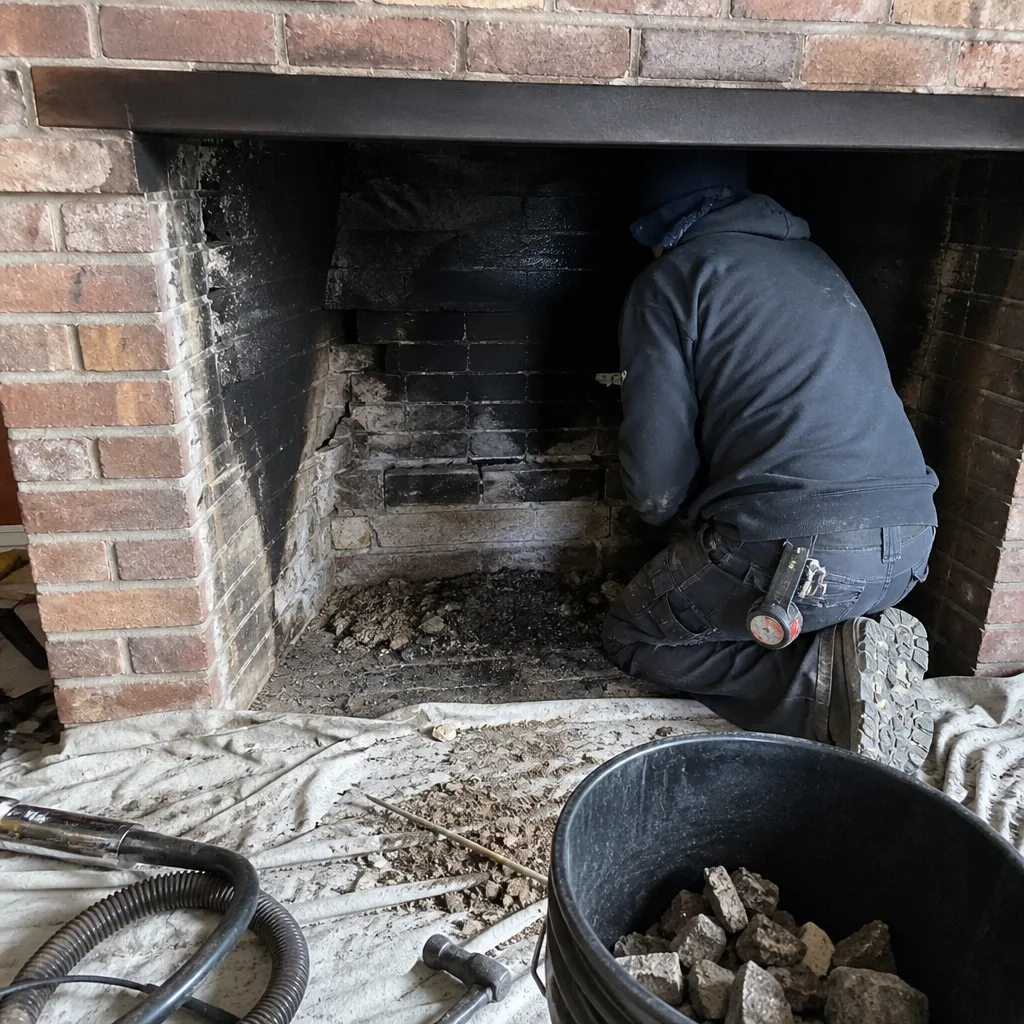 Before
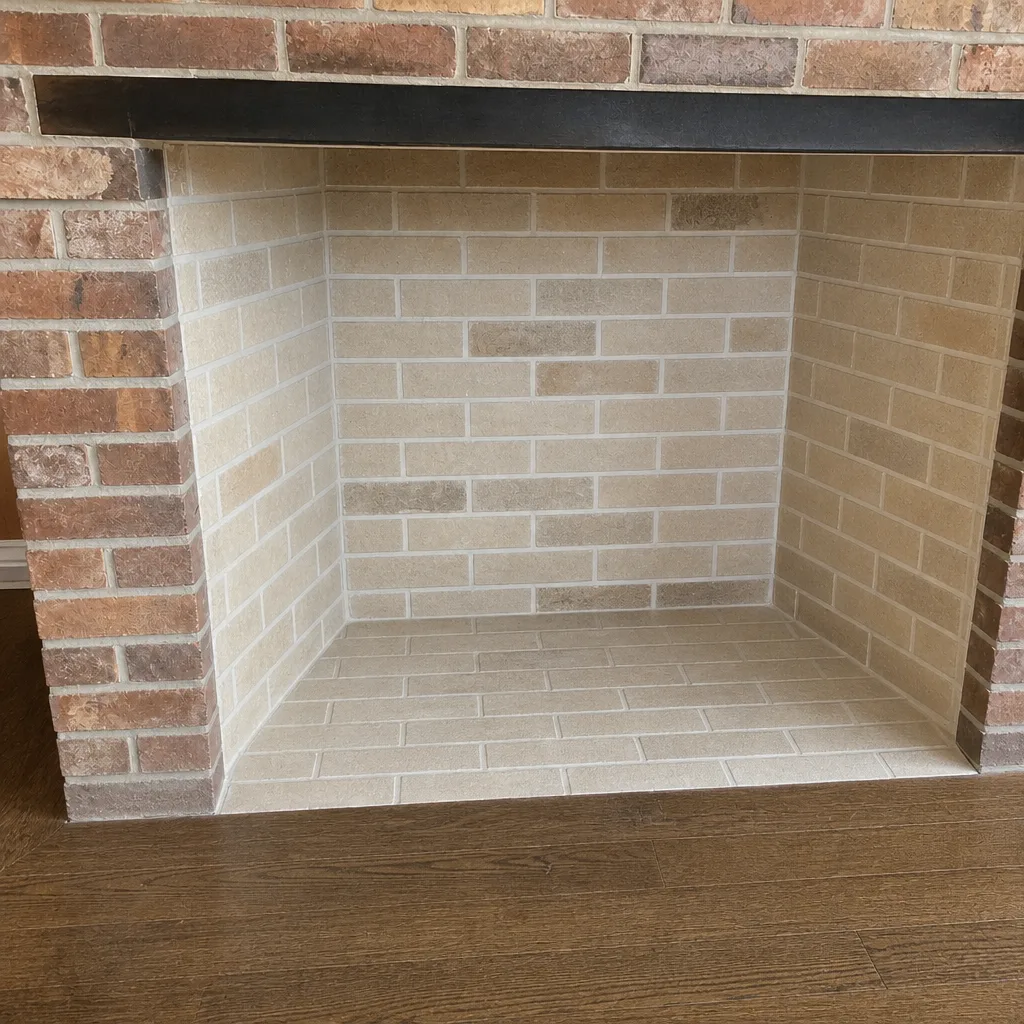 After
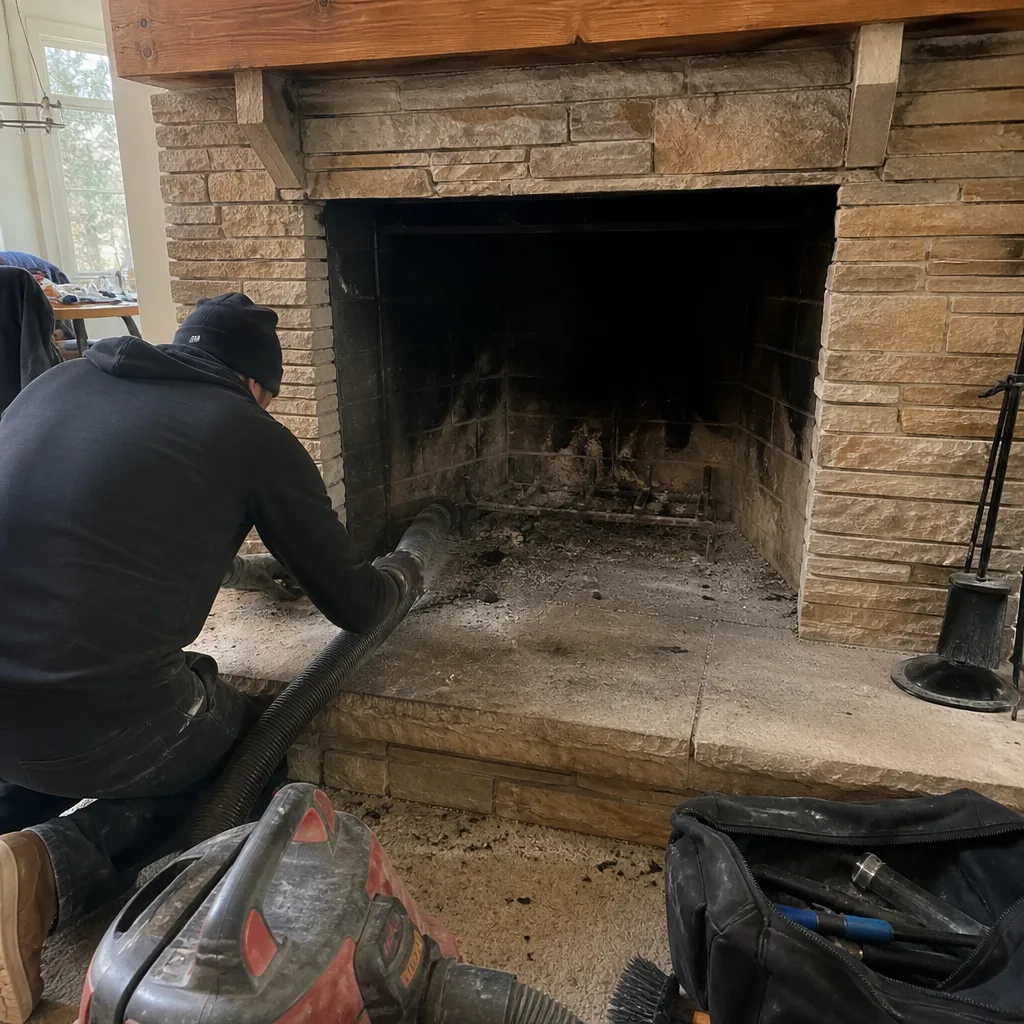 Before
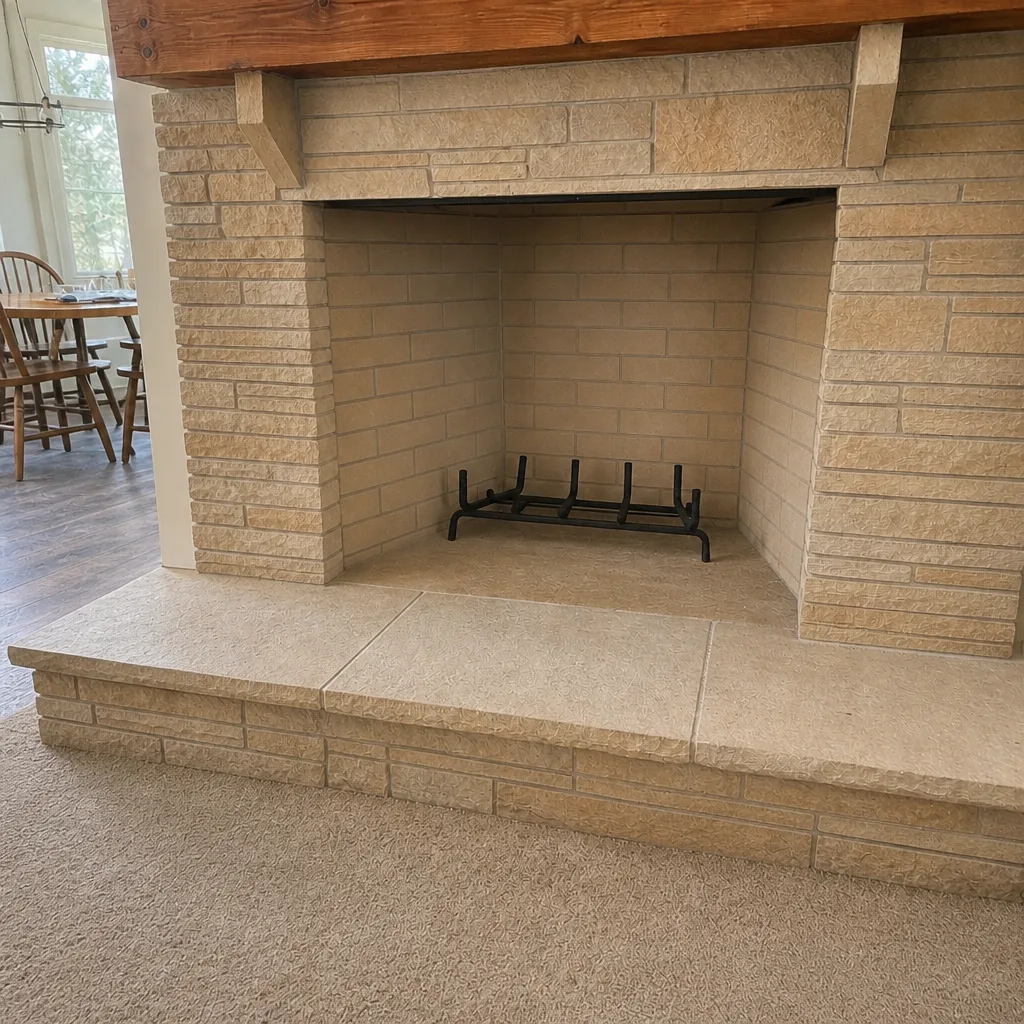 After
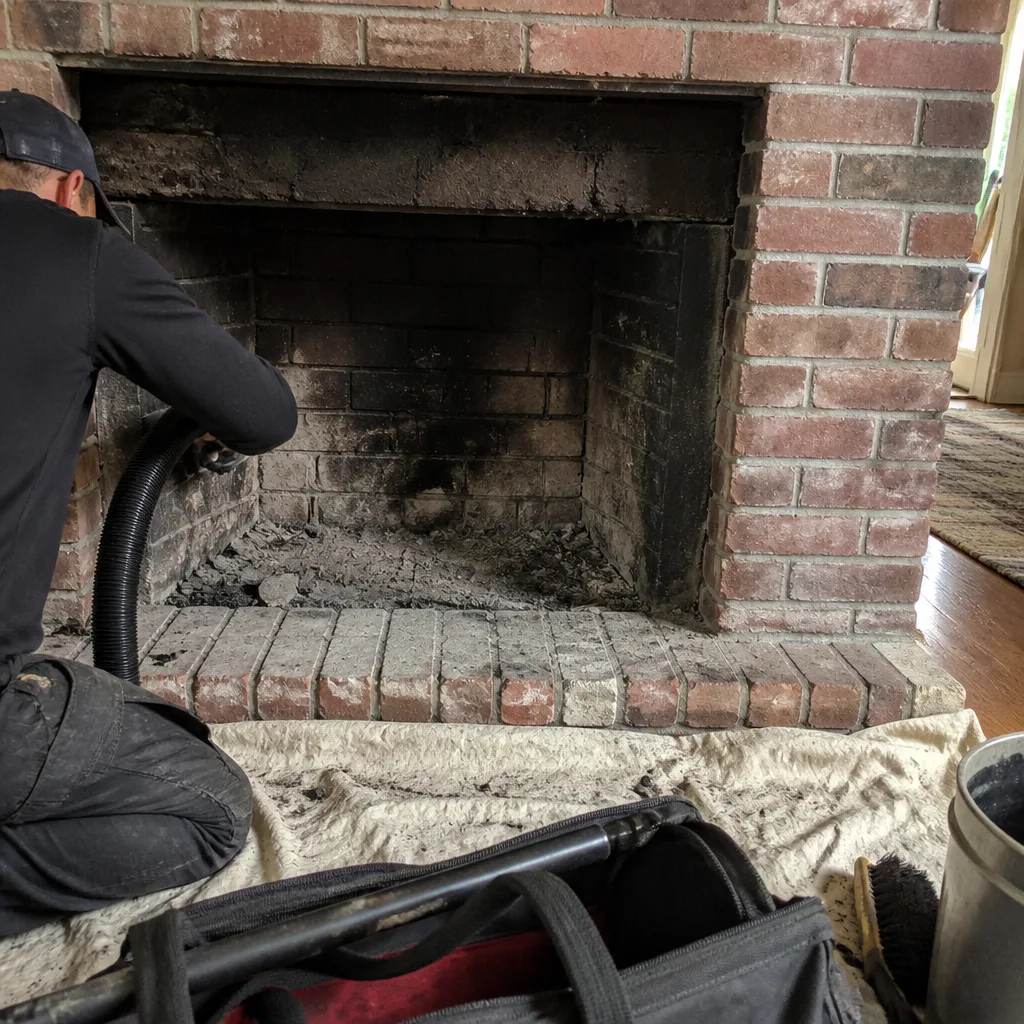 Before
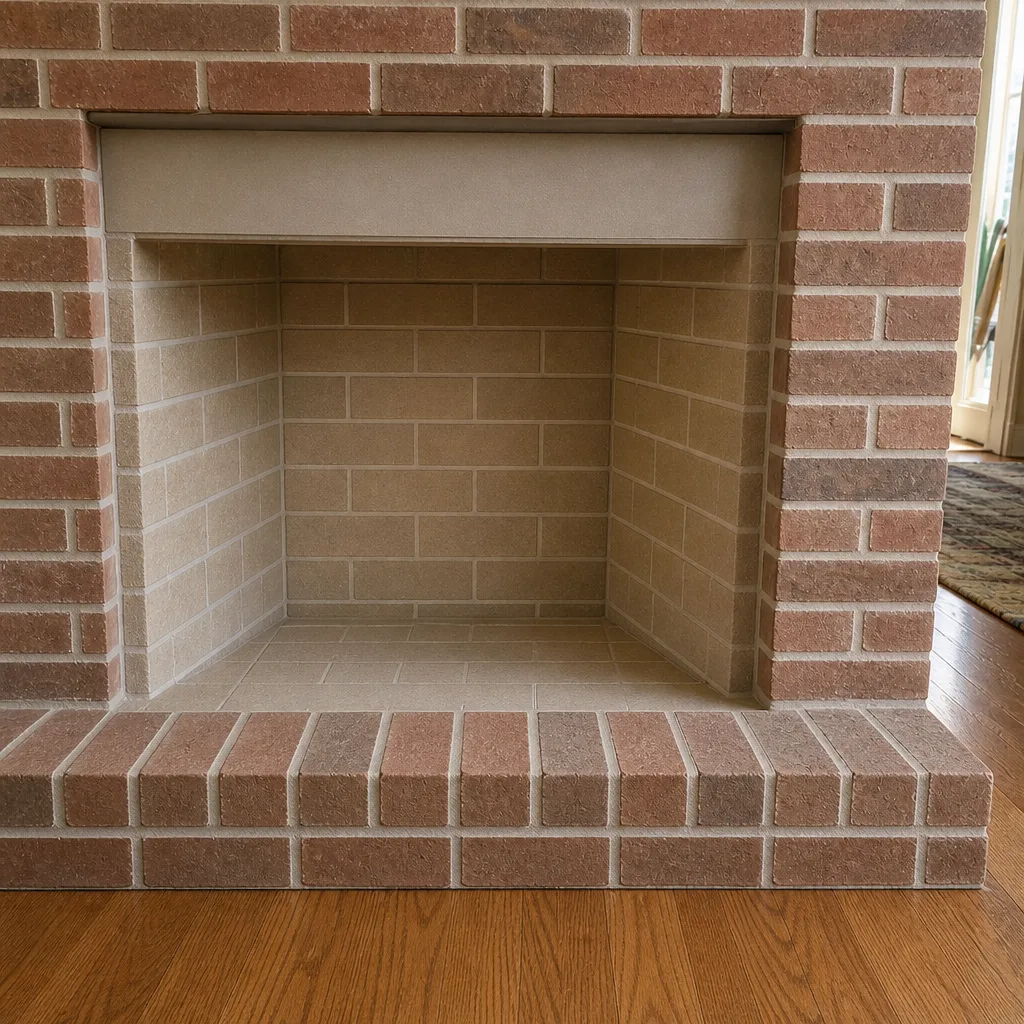 After
When to Call a Professional
Chimney work swings between safe DIY territory (changing the batteries in your carbon monoxide detector) and work that requires a trained technician and often a permit. Call a professional if any of these apply: you’re buying or selling a home with a chimney and need a Level 2 inspection; you’ve had a chimney fire or smell the sharp, hot smell that follows one; you see cracked or missing mortar above the roofline; your fireplace smokes back into the room; your flue liner appears cracked when you look up with a flashlight; or you’ve noticed water stains on the chimney chase or ceiling near the chimney. High-tension components and anything inside the flue deserve a trained technician rather than a ladder and a flashlight, because the margin for error on a working chimney is small.
Chimney Sweep Boulder offers free estimates in Boulder. Call (855) 658-5187. We answer 24/7. Fast dispatch from 7am to 7pm, Sunday through Friday. Every estimate is written, the price is set per job, and the inspection report includes camera footage you can see for yourself before we recommend anything.
Frequently Asked Questions
No. Routine chimney cleaning and sweeping do not require a permit in Boulder or Boulder County, and neither does a standard Level 1 inspection or a like-for-like cap replacement. Permits come into play when the work changes the structure of the chimney or the venting system, such as a liner replacement or a structural repair. If you’re planning something bigger than a sweep, call us at (855) 658-5187 and we’ll tell you what we expect the permitting picture to be for your specific scope.
In most cases, yes. Liner replacement and relining change the venting system of the chimney and typically require a Boulder or Boulder County building permit, along with a final inspection after the work is complete. The liner must also meet NFPA 211 and IRC Chapter 10 requirements for the appliance it’s venting. If your chimney needs a new liner and you want to be sure the permit is pulled correctly, call (855) 658-5187 for a written estimate.
A Level 2 chimney inspection is required, not just recommended, during any real estate transaction involving a home with a chimney or fireplace, and after any chimney fire. NFPA 211 also calls for a Level 2 after a change in fuel type, after a new appliance installation, and after an event that may have damaged the chimney. A Level 2 includes a camera scan of the flue and accessible-area inspection, with a written report. Call (855) 658-5187 to schedule one if any of those situations applies.
Search the City of Boulder’s online permit portal or Boulder County’s public permit search by exact address or parcel number. Look for permits filed under “residential alteration,” “mechanical,” or a fireplace or wood stove category, then check whether the permit shows a finaled status with an inspection record. An issued-but-unfinaled permit is worth raising with the seller. If nothing comes up and the chimney has clearly been relined, have the flue inspected and ask for a written evaluation. Call (855) 658-5187 to book that inspection.
Coverage depends on your specific policy and the cause of the loss. Standard homeowner’s insurance generally responds to fire damage from a chimney fire, but an unpermitted or improperly installed liner can complicate the adjuster’s investigation. The strongest protection is a permit record, a final inspection, and an annual sweep and inspection history showing the chimney was maintained. We document every sweep and inspection so you have that record if you ever need it. Call (855) 658-5187 for an estimate on the inspection or repair.
Boulder homes that burn wood regularly through the heating season typically benefit from an annual sweep and a Level 1 inspection before the burning season starts. Homes that burn a cord or more per year, or that have had any change to the appliance or liner, may benefit from a Level 2. The honest answer depends on how much you burn and what condition the flue is in, which is what an inspection tells us. Call (855) 658-5187 for a free estimate and we’ll recommend the right level for your chimney.
The Bottom Line
Sweeping your chimney in Boulder doesn’t require a permit, but relining it, repairing its structure, or installing a new appliance usually does. That distinction matters because the permit trail is what protects you at resale, during a home sale inspection, and if you ever file an insurance claim after a chimney fire. NFPA 211 and IRC Chapter 10 give you the standards to hold a contractor to, and a Level 2 inspection is required, not suggested, during a transaction or after a chimney fire. When something needs to be done, do it under permit, with professional-grade materials, and with documents you can hand to the next person who asks about your chimney.
Whether you’re planning ahead for the burning season or working through a real estate transaction, we’re glad to give you a straight answer on what’s permitted, what’s required, and what can honestly wait. Chimney Sweep Boulder offers a free estimate, a flat, written price agreed before the work is booked, a camera inspection with a photo report you keep, and a satisfaction guarantee. Call (855) 658-5187. We answer 24/7. Fast dispatch from 7am to 7pm, Sunday through Friday. Our technicians have up to 14 years of experience, and we’re happy to walk you through anything in this guide that applies to your chimney.
For the full picture of how we handle the sweep, the inspection, and any repair under one roof, start with Chimney Sweep Boulder.
Written by the team at Chimney Sweep Boulder.