
Last updated November 23, 2026
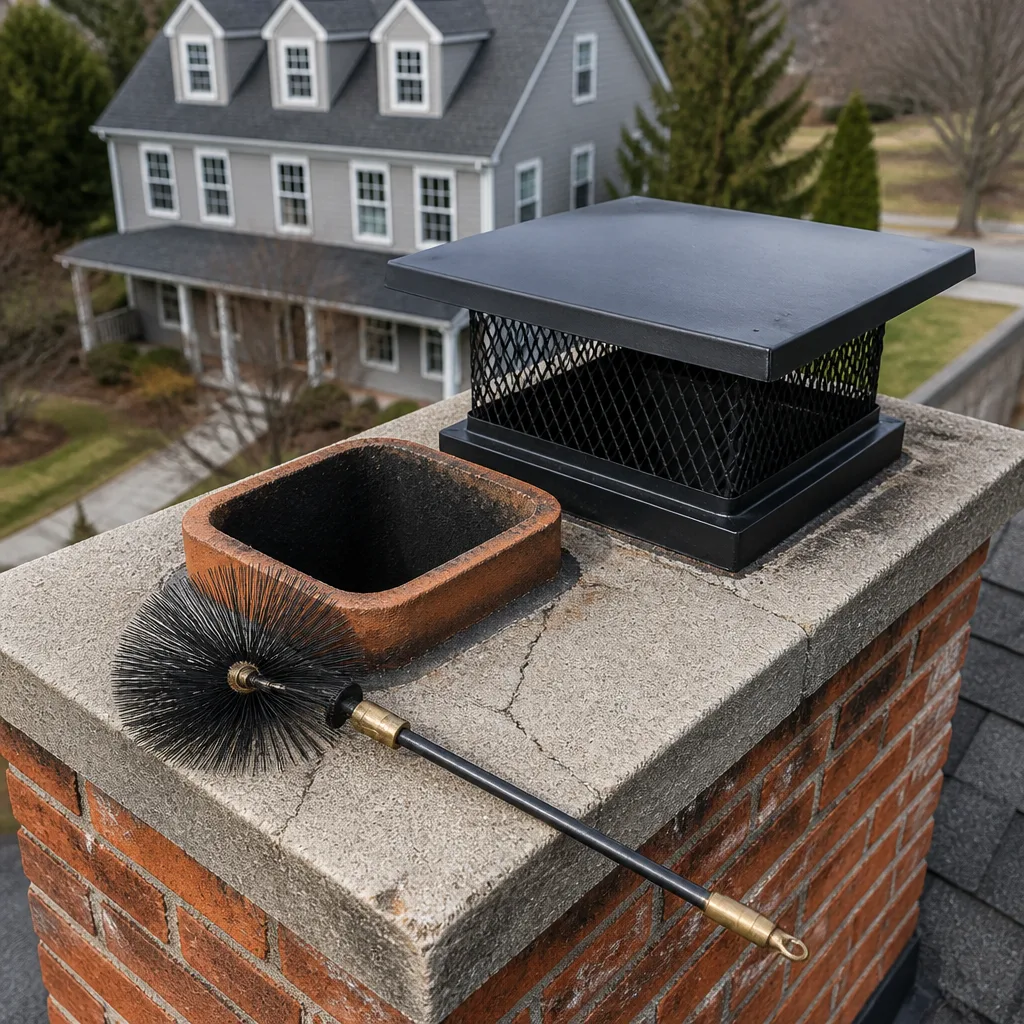 Sweep & inspection
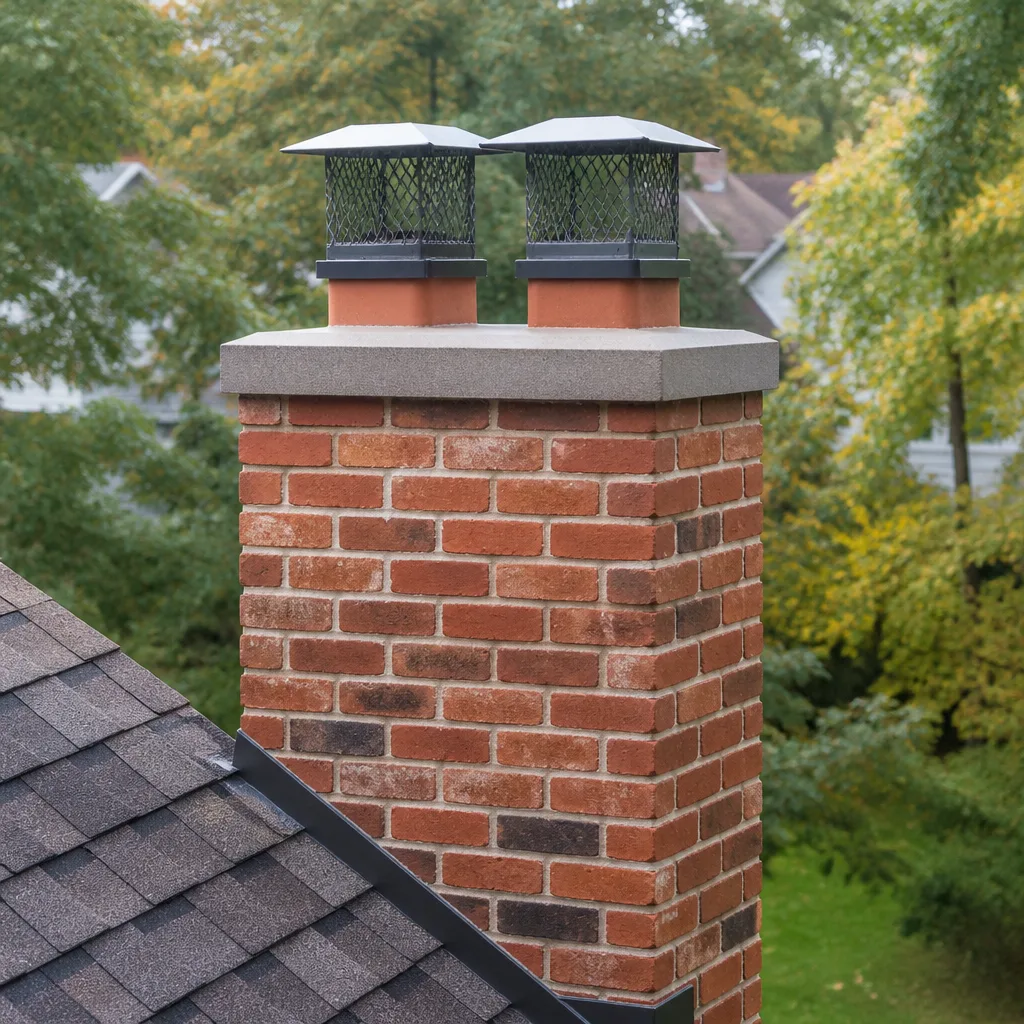 Caps & crowns
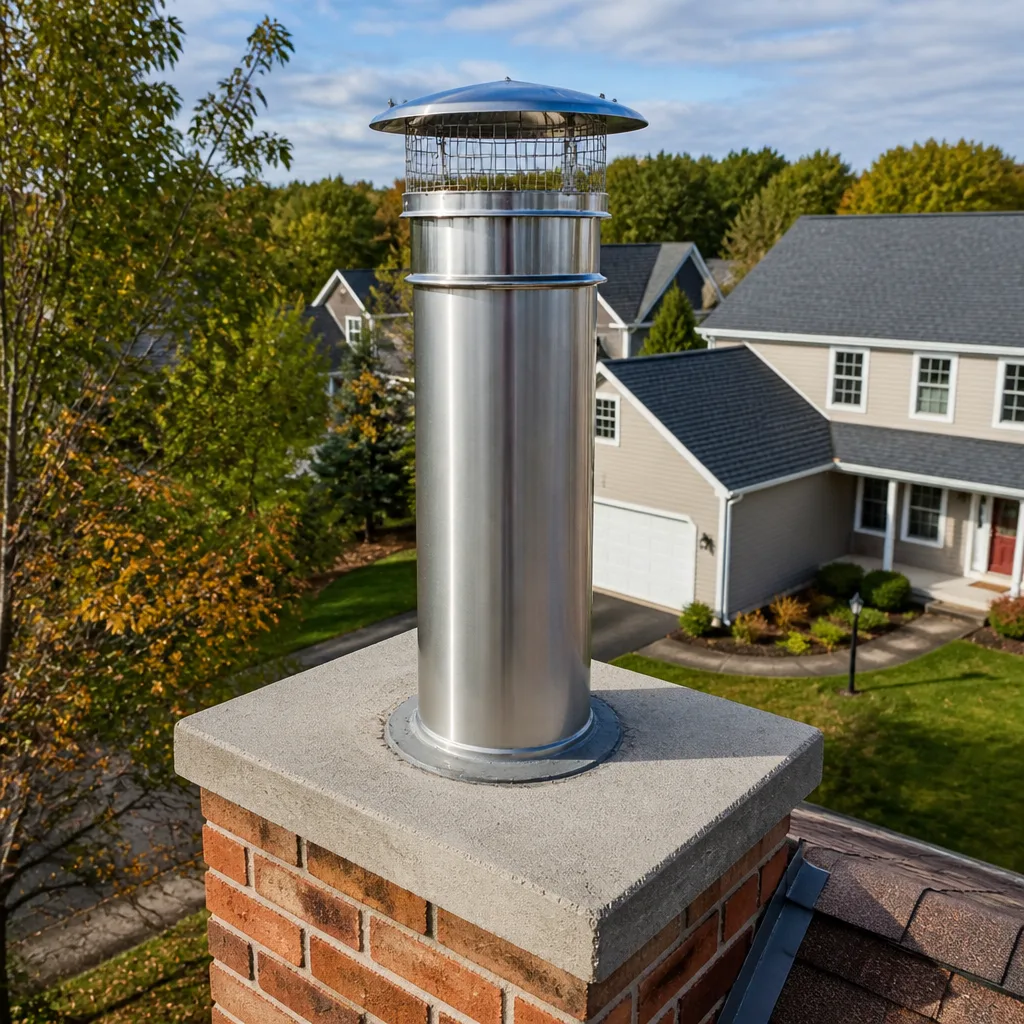 Flue relining
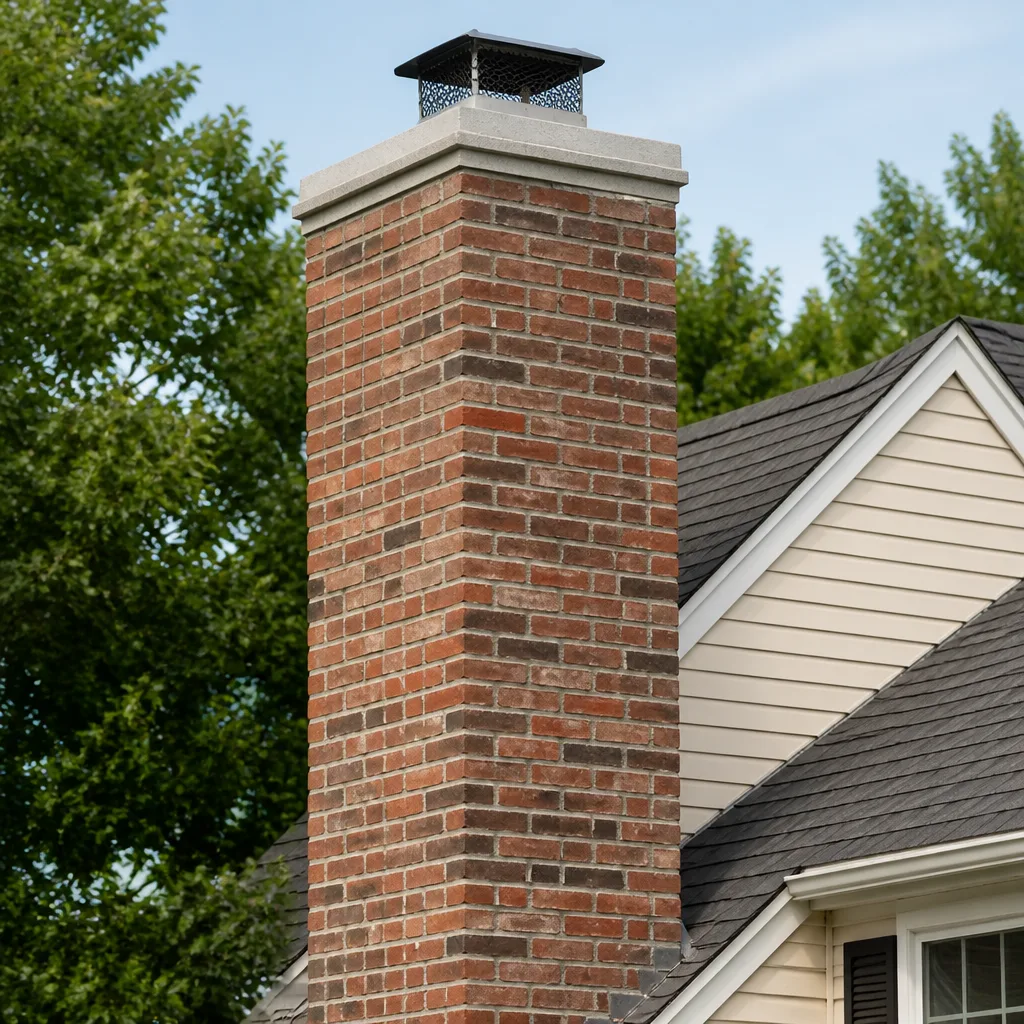 Masonry repair
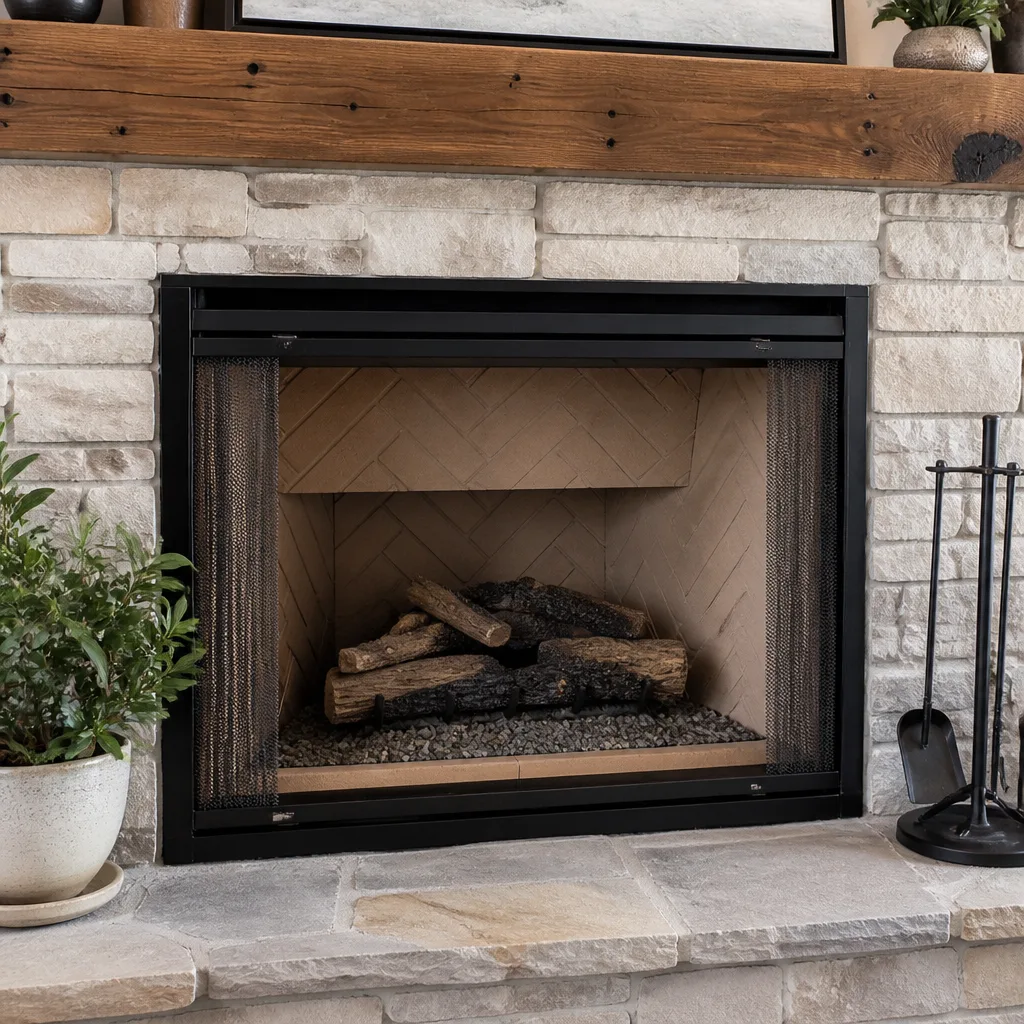 Gas fireplace service
Level 1 sweep and inspection to the NFPA 211 annual standard - flue, crown, cap, and flashing checked and photographed
Chimney sweep logs do not sweep chimneys. They loosen some creosote - which then falls where a brush and vacuum still have to collect it.
Chimney Cleaning Cost Breakdown: The Boulder Homeowner’s Reference for 2026
A $99 chimney cleaning special and a $299 full-system cleaning can both be fair prices. They’re just for two completely different services, and a homeowner who doesn’t know that will always choose the wrong one. That gap is why quotes for the same chimney in Boulder can swing by hundreds of dollars. Nobody is necessarily overcharging; they’re quoting different scopes. This reference breaks down what each line item on a chimney quote actually represents, what it typically costs in the Boulder market for 2026, and how to compare bids on equal terms. By the end you’ll be able to read a quote and know exactly what you’re buying.
Quick Answer
Routine chimney cleaning in Boulder typically runs $180 to $350 for a standard wood-burning flue, while a full-system cleaning that adds a camera inspection and a written report runs $250 to $450. Inspection levels, liner condition, and access difficulty are what move a quote up or down. The final price is always set by the written estimate after we see the chimney.
Styles & brands we work with
- Sweep & inspection
- Caps & crowns
- Flue relining
- Masonry repair
- Gas fireplace service
Table of Contents
- Why do chimney cleaning quotes in Boulder vary so much?
- What does each chimney service line item actually cost?
- How does how much you burn change what you’ll pay?
- What drives price variation in Boulder specifically?
- What does deferring service actually cost you?
- How do you read a chimney cleaning quote?
- What’s the difference between Level 1, 2, and 3 inspections?
- Frequently Asked Questions
Why do chimney cleaning quotes in Boulder vary so much?
The biggest reason quotes diverge is that “chimney cleaning” isn’t one service. It’s a family of services that share a name. A bargain quote often covers a top-down brush of the main flue only. A thorough quote covers the flue, the smoke chamber, the damper, the firebox, and the cap, and it usually includes a camera inspection and a photo report. Those are not the same job, and they shouldn’t cost the same.
The second reason is what the contractor finds. A flue lined with light, flaky creosote brushes out in under an hour. A flue with glazed, tar-like creosote takes longer, uses different tools, and sometimes requires chemical treatment before brushing. A quote given before anyone looks up the flue is a guess, and a guess is usually priced either to protect the contractor or to win the job. Neither number tells you much.
Third is access. A chimney on a low, walkable roof is quick to service. A chimney on a steep pitch above a tight Boulder lot may need roof work, ladder work, or a different approach entirely. Time is money on a roof, and the quote reflects it.
When we quote a chimney in Boulder, we ask what the homeowner actually needs before we name a number. Are you burning wood or gas? How often? When was the last sweep? Is there a cap? Those answers shape the scope, and the scope shapes the price. Our chimney sweep is priced per job by the written estimate, so you know the number before anyone climbs on the roof.
What does each chimney service line item actually cost?
Here’s the breakdown that most quotes won’t give you. These are typical 2026 ranges for the Boulder area, and each one represents a distinct piece of work. The written estimate sets the final price for your chimney.
| Service component | Typical Boulder range | What it covers |
|---|---|---|
| Basic chimney sweep | $180 – $350 | Brush and vacuum the main flue, clear the firebox, check the cap |
| Full-system cleaning | $250 – $450 | Sweep plus flue, smoke chamber, damper, and firebox service |
| Level 1 inspection | $75 – $150 | Visual check of accessible components, often bundled with a sweep |
| Level 2 inspection | $150 – $300 | Camera inspection of the flue plus a written photo report |
| Level 3 inspection | Quoted per job | Invasive inspection when a serious defect is suspected |
| Smoke chamber resurfacing | $450 – $1,200 | Ceramic resurfacing of the smoke chamber above the damper |
| Chimney cap replacement | $200 – $600 | New cap and hardware sized to your flue |
| Damper repair | $200 – $500 | Repair or replace a stuck or damaged damper |
| Crown coat | $350 – $900 | Repair cracks in the masonry crown that sheds water |
Notice what a single-line “$99 cleaning” quote leaves out. It doesn’t tell you whether the smoke chamber is included, whether a camera goes up the flue, or whether you’ll get photos. It’s not necessarily dishonest; it’s just narrow. When you compare quotes, compare line items, not totals. A quote that lists each component lets you see exactly where the money goes.
A note on the smoke chamber: it’s the sloped space between the damper and the flue, and it’s the part homeowners can’t see. Rough, corrugated masonry in the smoke chamber catches creosote and slows drafting. Resurfacing it smooths the surface, which improves draft and reduces buildup. It’s one of the most overlooked items on a quote, and one of the most useful.
How does how much you burn change what you’ll pay?
Here’s the math most quotes ignore: the more you burn, and the wetter the wood, the more creosote forms, and the more often you need a sweep. Over several years, that adds up far more than the gap between a bargain quote and a thorough one.
Creosote forms when smoke cools before it leaves the flue. Wet or unseasoned wood, a smoldering fire, and a cold flue all make it worse. Pine and other softwoods season faster but often carry more moisture and burn cooler than dense hardwoods like oak. A hot, clean fire leaves less behind. A slow, smoky fire leaves more.
So think in cords. A homeowner burning one cord of well-seasoned hardwood per season might get away with an annual sweep and a routine inspection. A homeowner burning three or more cords of pine annually will accumulate creosote faster and should plan on a sweep every year without question, and sometimes a mid-season check. That’s not an upsell; it’s the arithmetic of creosote accumulation.
- Count your cords per season. This is the single best predictor of how often you need a sweep.
- Know your wood. Seasoned hardwood burns hotter and leaves less creosote than wet or soft wood.
- Watch for the signs. A strong smoky smell, black deposits on the cap, or a fire that drafts poorly all suggest buildup.
- Book by need, not by memory. If you can’t remember your last sweep, that’s your answer.
The U.S. Fire Administration and the Chimney Safety Institute of America both recommend an annual inspection, and sweeping whenever a quarter-inch of creosote accumulates. For a heavy pine burner, that annual mark can arrive faster than you’d think. Matching your schedule to your burn is the cheapest decision you’ll make all year.
What drives price variation in Boulder specifically?
Boulder adds a few factors that a flat national price can’t capture. The first is access. Many homes sit on lots with steep grades, tight side yards, or roofs pitched steeply enough that getting to the chimney safely takes more time and equipment. A sweep on a walkable roof is quick; a sweep on a steep pitch above a narrow driveway is a different job.
The second is the housing stock. Boulder has a lot of older masonry chimneys, and older masonry takes more time to service and inspect than a modern factory-built unit. Brick joints, mortar, and clay-tile liners all need a closer look. There’s no shortcut for that.
The third is liner type. Clay-tile liners are the traditional standard and need careful inspection for cracks and gaps. Stainless-steel liners, like the DuraFlex flexible systems we install, are durable and code-compliant but still need cleaning and inspection. Cast-in-place liners have their own characteristics. Knowing which one you have tells a contractor a lot before anyone climbs the roof.
The fourth is climate. Boulder’s freeze-and-thaw cycles are hard on masonry. Water gets into small cracks, freezes, expands, and widens them season after season. A crown that’s shedding water properly protects everything below it. One with hairline cracks doesn’t, and that’s why crown work and cap work show up on so many Boulder quotes. Our chimney repair covers that masonry side of the system, not just the flue.
None of this means Boulder is automatically expensive. It means a quote for a Boulder chimney should reflect the actual roof, the actual liner, and the actual masonry in front of it. A price quoted blind is a coin flip.
What does deferring service actually cost you?
This is the part that changes how you read every quote. A routine annual cleaning typically runs $180 to $350. A full chimney reline, when creosote and water damage have gotten into the flue, can run $3,000 to $8,000. That’s not a scare tactic; it’s the spread between prevention and repair.
Here’s how deferral turns into dollars. Skipping a sweep lets creosote build past the quarter-inch mark and turn glazed and hard to remove. A glazed flue is a fire risk and a harder cleaning. Once creosote saturates the masonry, it can also migrate into the brickwork, where it’s very hard to get out. Add Boulder’s freeze-and-thaw damage and a cracked crown that lets water in, and the flue liner itself can start to fail. At that point, resurfacing or relining is the repair.
- Prevented: a routine sweep, $180 to $350.
- Prevented: a camera inspection and written report, $150 to $300.
- Contingent: a HeatShield ceramic resurfacing to restore a deteriorated liner without full relining.
- Avoided: a full reline, $3,000 to $8,000.
We don’t tell every homeowner they need a reline. Most don’t. HeatShield ceramic resurfacing can restore a deteriorated flue liner in many cases without the cost and disruption of a full reliner, and that’s a genuinely useful middle path. But it only works if the deterioration is caught early. Deferral is expensive precisely because it shrinks your options. If you haven’t had your chimney inspected in a while, the cheapest thing you can do is find out where you stand.
How do you read a chimney cleaning quote?
A well-written quote tells you three things: what will be done, what’s included, and what the final price covers. A vague single-line quote tells you almost nothing, and that’s a red flag worth heeding. Here’s how to read a chimney quote so you can compare bids fairly.
- Look for a line-item scope. A proper quote lists the flue sweep, smoke chamber, damper, firebox, and cap separately, or clearly states what’s bundled.
- Confirm whether inspection is included. “Free inspection” can mean a quick visual, or it can mean a Level 2 camera inspection with photos. Ask which.
- Ask what “included” covers. Materials, a written report, photos, and cleanup should be spelled out. So should anything that might cost extra.
- Check the liner and access notes. A quote that doesn’t mention your liner type or roof access hasn’t looked closely enough to be accurate.
- Read the report, not just the price. A photo report lets you see the flue for yourself, which is the whole point.
- Get the final number in writing. The written estimate sets the price; anything verbal is a guess.
What should a vague quote make you suspect? It often means the contractor either doesn’t know what’s up there or is pricing the cheapest possible version of the job to win it, planning to add charges later. A quote that names the parts of the system is a quote from someone who services the whole system. If the only answer you get is a single dollar figure and a promise, keep asking.
One more thing to check: whether the person giving the quote is a generalist or a chimney specialist. A handyman who sweeps as a side service and a company that does chimney work and nothing else will price and scope the job differently. For fireplace repair, that specialization matters even more, because the firebox and damper sit inside the same system as the flue.
What’s the difference between Level 1, 2, and 3 inspections?
The inspection level is one of the biggest hidden variables in chimney cleaning costs, and most homeowners never see it named on a quote. A Level 1 inspection is a visual check of accessible components during routine service. A Level 2 inspection adds a camera inspection of the flue and is the standard when a chimney has changed hands, changed fuel type, or shown signs of trouble. A Level 3 inspection is invasive and is reserved for cases where a serious defect is suspected.
The practical upshot: a “chimney cleaning” quote that includes only a Level 1 check is not the same as one that includes a Level 2 camera inspection and a photo report. The camera is how a contractor sees cracks in a clay-tile liner that no eye can reach from the firebox or the roof. It’s also how you get to see them yourself.
For most Boulder homeowners on a routine schedule, a Level 1 inspection during the annual sweep is enough. A Level 2 is warranted whenever the chimney is unfamiliar to you, whenever you’ve switched from wood to gas or the reverse, or whenever the sweep turns up something that needs a closer look. A camera inspection and photo report are included in our full-system cleaning, so you get the evidence, not just a verdict. When a repair is recommended, you’ll be able to see the reason on the photo report before you agree to anything.
For a broader view of how inspection fits into the whole system, our Chimney Sweep Boulder page covers the full range of services we handle from firebox to cap.
Common Mistakes to Avoid
- Comparing a bargain sweep to a full-system cleaning. A $99 quote and a $299 quote are often for different scopes. Line up the line items before you line up the totals, or you’ll always pick the cheaper number and later pay for what it left out.
- Letting a single-line quote win. A quote that doesn’t say what’s included can’t be compared to anything. Ask for a written scope with the flue, smoke chamber, damper, firebox, and cap listed or bundled clearly.
- Skipping the camera inspection. The flue liner is where the expensive failures hide. A visual check from the bottom doesn’t see cracks up the flue, so insist on a Level 2 camera inspection and a photo report.
- Burning wet or unseasoned wood. It’s the fastest way to build creosote in a Boulder chimney, and it quietly raises your long-term cleaning costs. Season your wood and keep it covered.
- Matching sweep frequency to memory instead of burn. Three cords of pine needs a different schedule than one cord of hardwood. Count your cords and set your schedule from there.
- Ignoring the crown and cap. Boulder’s freeze-and-thaw cycles turn small crown cracks into real water damage. A cap and a sound crown protect everything below them and cost far less than the repair they prevent.
- Hiring a generalist for a specialist’s job. A side-service sweep may not have the tools or the trade knowledge to spot a failing liner. A dedicated chimney company sees the whole system, from firebox to cap.
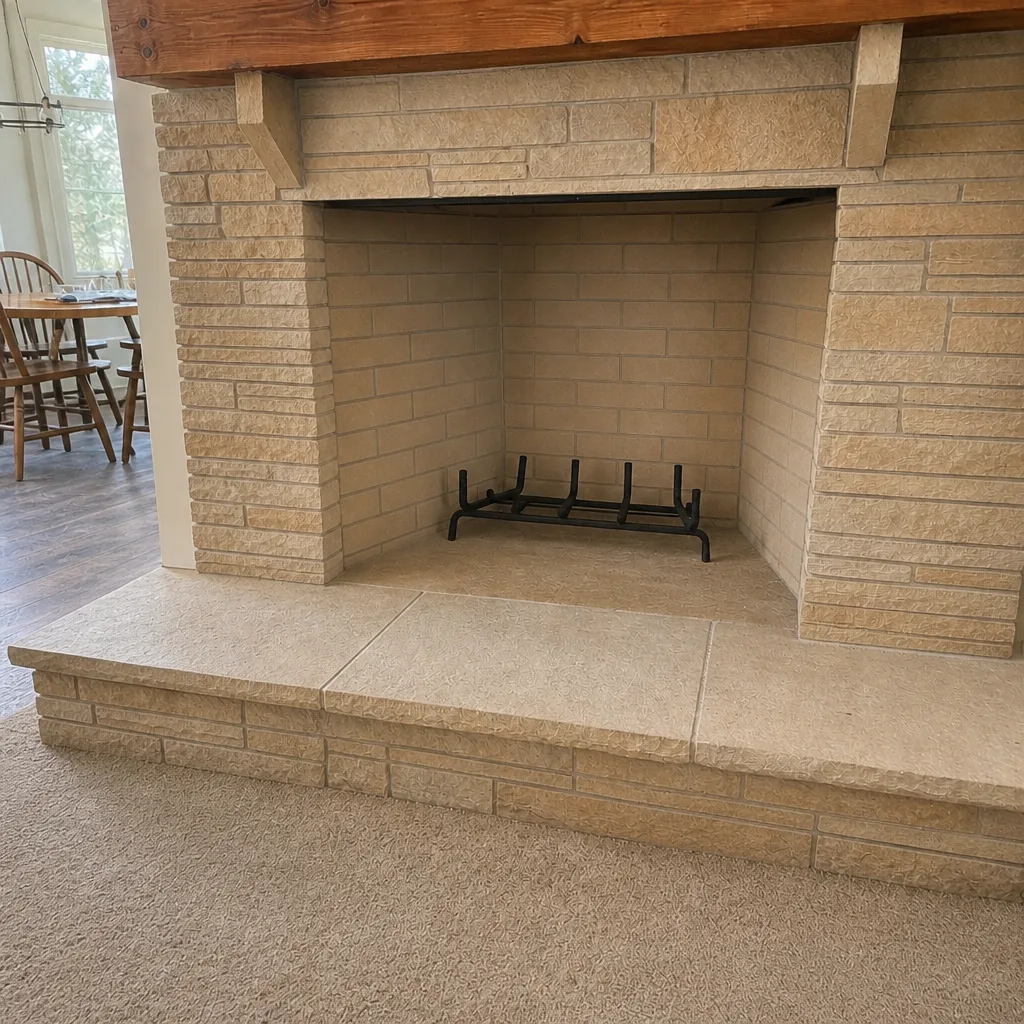
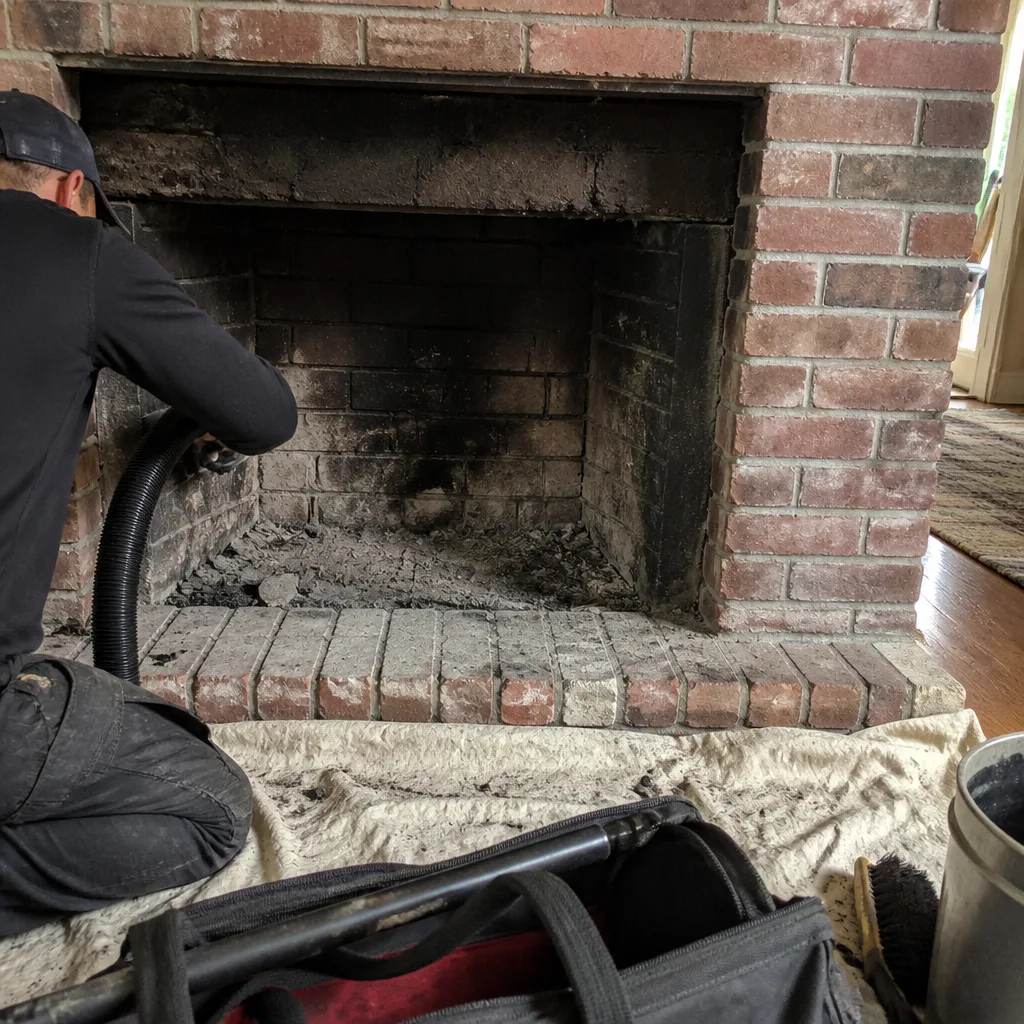
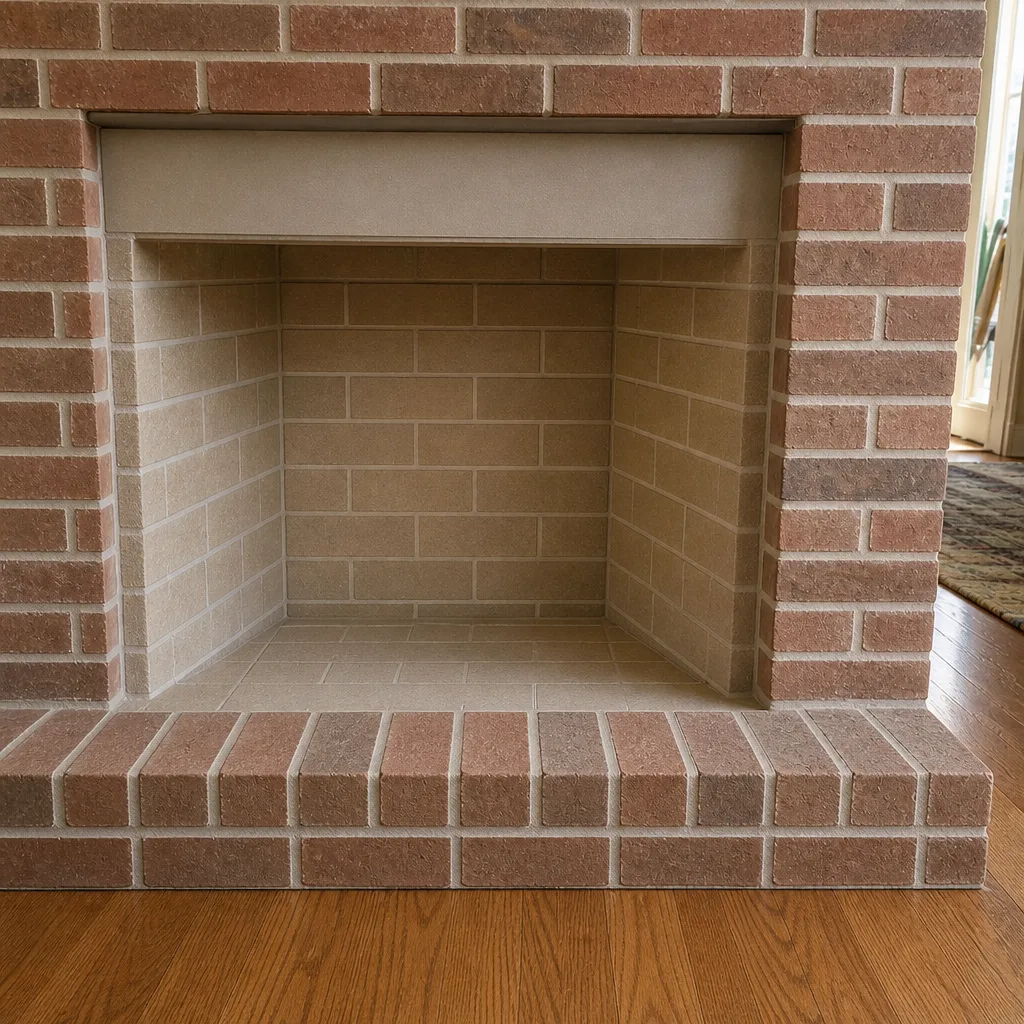
See the difference
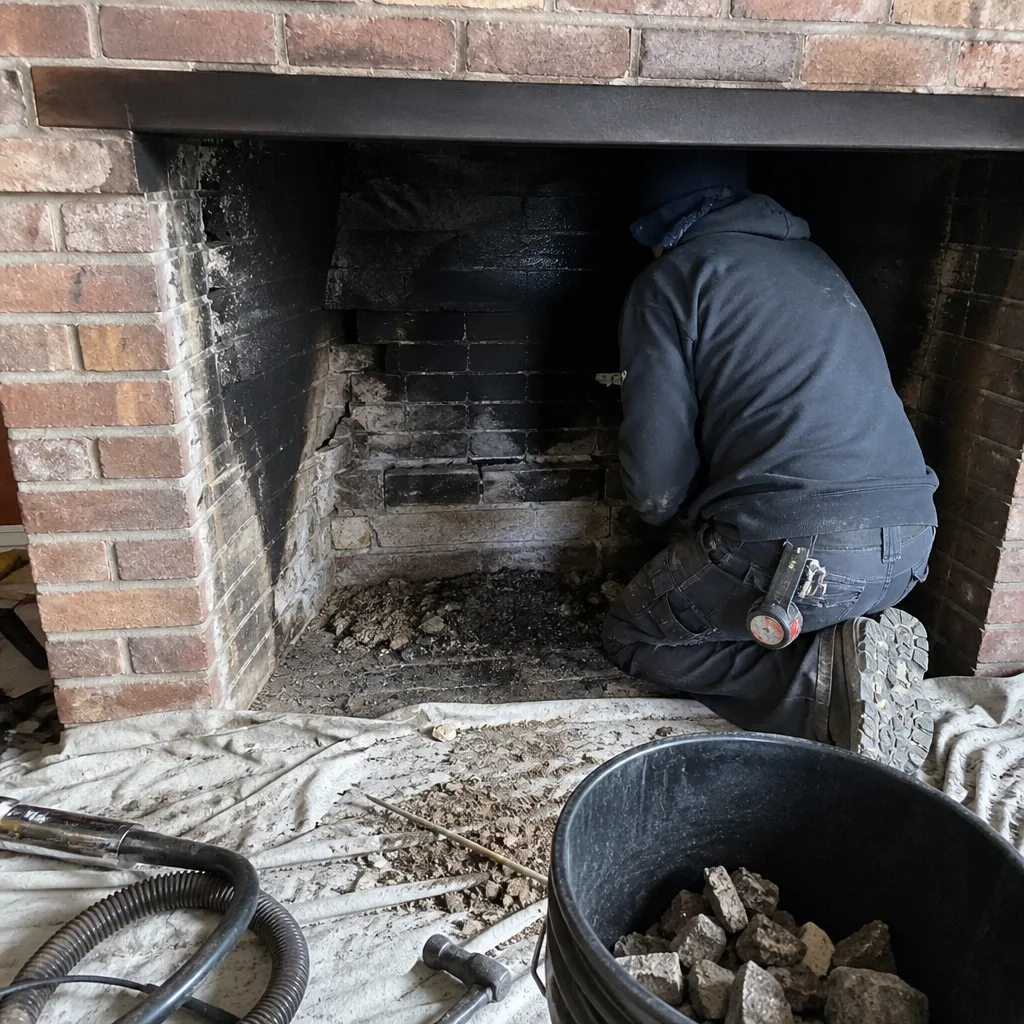 Before
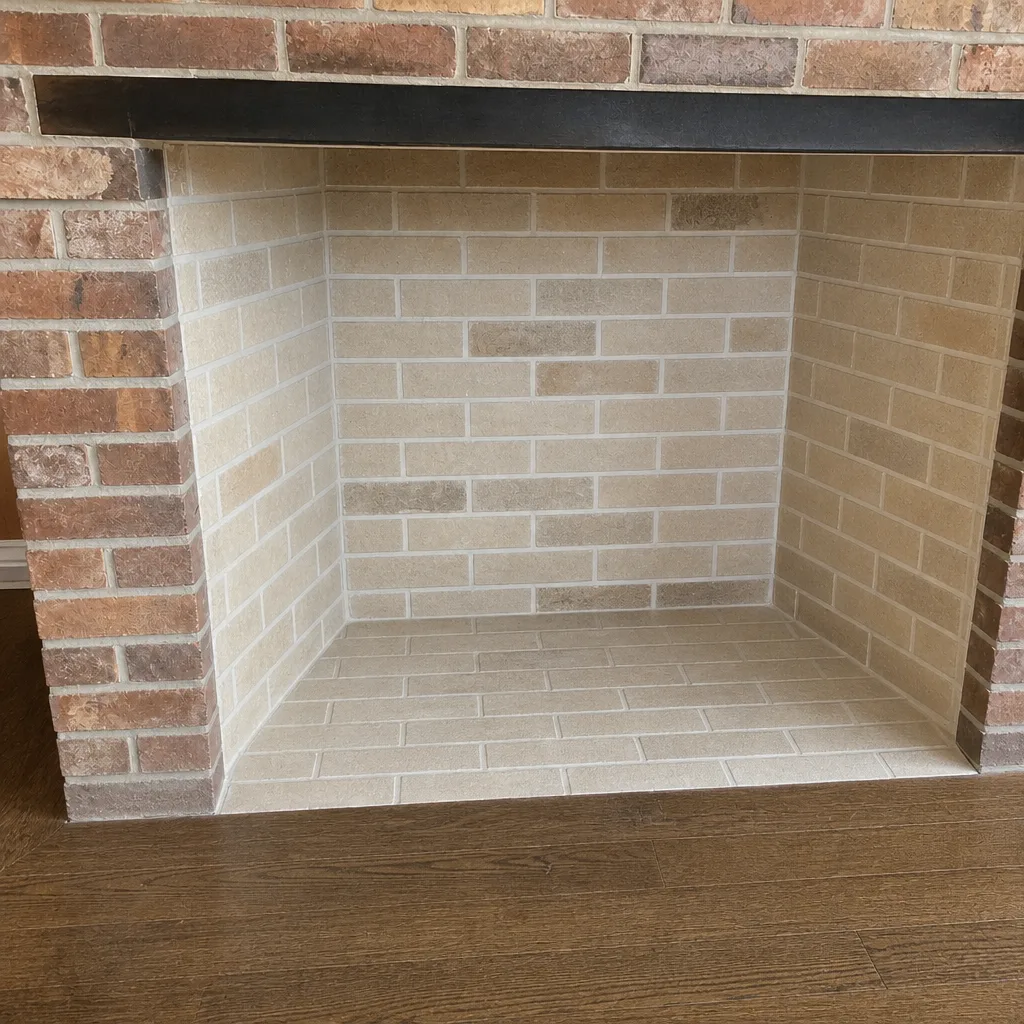 After
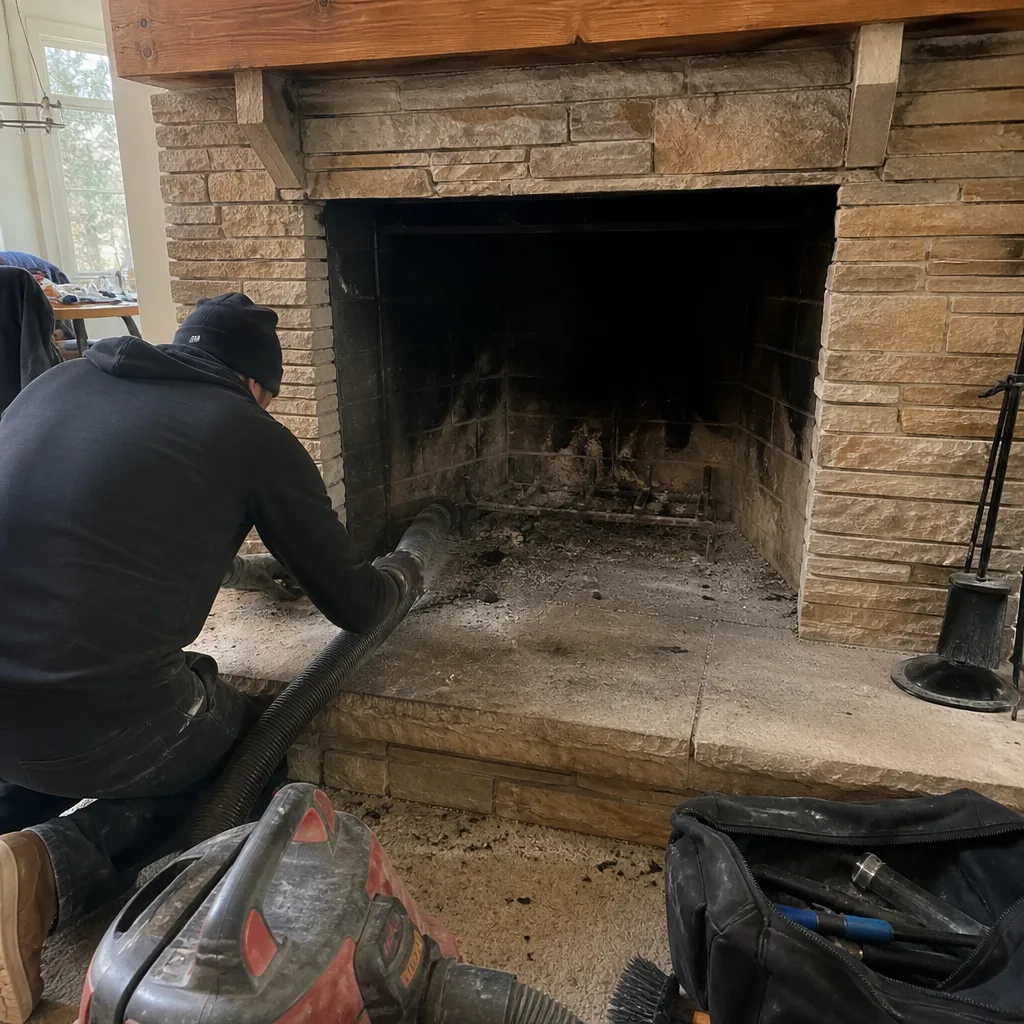 Before
 After
 Before
 After
When to Call a Professional
Some jobs are safe to plan for and some are reasons to pick up the phone soon. Call a professional if you smell smoke in the house when the fireplace isn’t running, if the fire drafts poorly or smoke rolls into the room, if black deposits appear on the cap or the chimney top, or if you’ve never had the chimney inspected and don’t know what’s up there. Call if you’ve switched between wood and gas, if the chimney changed hands with the house, or if you see cracked masonry, missing mortar, or a damaged crown. And call if you’re simply due for a sweep and want a number you can trust before anyone climbs on the roof. Chimney work touches real hazards: fire and carbon monoxide. Never go up on the roof yourself or reach into a flue to check creosote by hand. Our technicians have up to 14 years of experience, and we’re glad to take a look. Chimney Sweep Boulder offers free estimates in Boulder – call (855) 658-5187 to book yours.
Frequently Asked Questions
A routine chimney sweep in Boulder typically runs $180 to $350 for a standard wood-burning flue, and a full-system cleaning with a camera inspection and written report typically runs $250 to $450. The written estimate sets the final price after we see the chimney. Call (855) 658-5187 for an exact quote – estimates are free.
Not usually, and we’ll tell you plainly when you don’t. A liner only needs replacing or restoring when the camera inspection shows cracks, gaps, or deterioration that would let heat or gases reach the surrounding structure. In many cases HeatShield ceramic resurfacing can restore a deteriorated flue liner without a full reliner. You’ll see the evidence on the photo report before you decide anything. Call (855) 658-5187 to find out where your liner stands.
Once a year for most wood-burning chimneys, and sooner if you burn heavily or see a quarter-inch of creosote buildup. A homeowner burning three or more cords of pine annually should plan on an annual sweep without question. If you can’t remember your last sweep, that’s the answer. Call (855) 658-5187 to get on a schedule that matches how you burn.
Creosote keeps building past the safe level, which raises the risk of a chimney fire, and it turns glazed and much harder to remove. In a Boulder chimney, deferred service also lets freeze-and-thaw water damage work on the crown and liner, which is how a routine $180 to $350 cleaning can turn into a $3,000 to $8,000 reline. Call (855) 658-5187 before small problems get expensive.
Because contractors are quoting different scopes: one is a flue-only brush, another is a full-system cleaning with a camera inspection and photo report, and a third includes masonry or cap work. Boulder access difficulty, older masonry, and liner type add to the spread. Compare line items, not totals. Call (855) 658-5187 for a written, itemized estimate.
Yes. A crown coat repairs cracks in the masonry crown that shed water, and a new cap and hardware protect the flue from weather and animals. We install purpose-built Gelco and Famco caps and ventilation hardware, and professional-grade components, not improvised hardware-store substitutes. Call (855) 658-5187 for a free estimate on cap or crown work.
The Bottom Line
Chimney cleaning costs in Boulder aren’t arbitrary; they track scope, access, liner type, and how much you burn. A $99 quote and a $299 quote can both be fair for different jobs, so the only way to compare them is by line item. Insist on a camera inspection, a written scope, and a photo report you can see for yourself. Then match your sweep schedule to your cords, look after your crown and cap, and catch liner problems before they turn a $180 cleaning into a $3,000 to $8,000 reline. Understanding each line item takes the guesswork out of choosing a quote and puts you back in control of the decision.
We work with a curated roster of professional chimney brands – DuraFlex for flexible stainless-steel liner systems, HeatShield for ceramic flue resurfacing, and Gelco and Famco for caps and ventilation hardware – so the parts on your chimney are the ones chimney specialists rely on. From the firebox to the flue to the cap, we service the whole system under one roof, with no handoffs and no gaps in accountability. We’re a dedicated chimney company, not a general contractor, and nothing gets recommended without evidence you can see. Call (855) 658-5187 for a free estimate. We answer 24/7, with fast dispatch from 7am to 7pm, Sunday through Friday, and we’re closed Saturday. A call outside dispatch hours is booked into the next opening.
Written by the team at Chimney Sweep Boulder.