
Last updated November 23, 2026
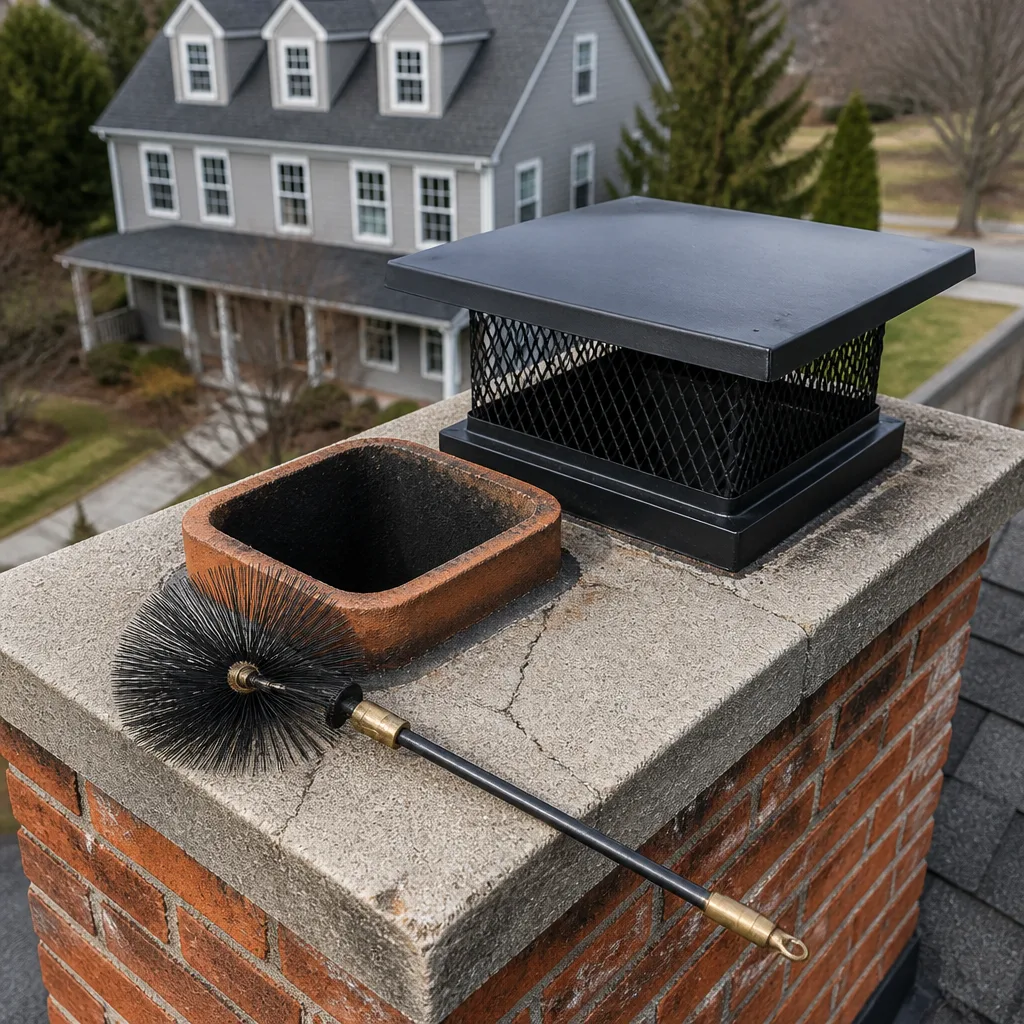 Sweep & inspection
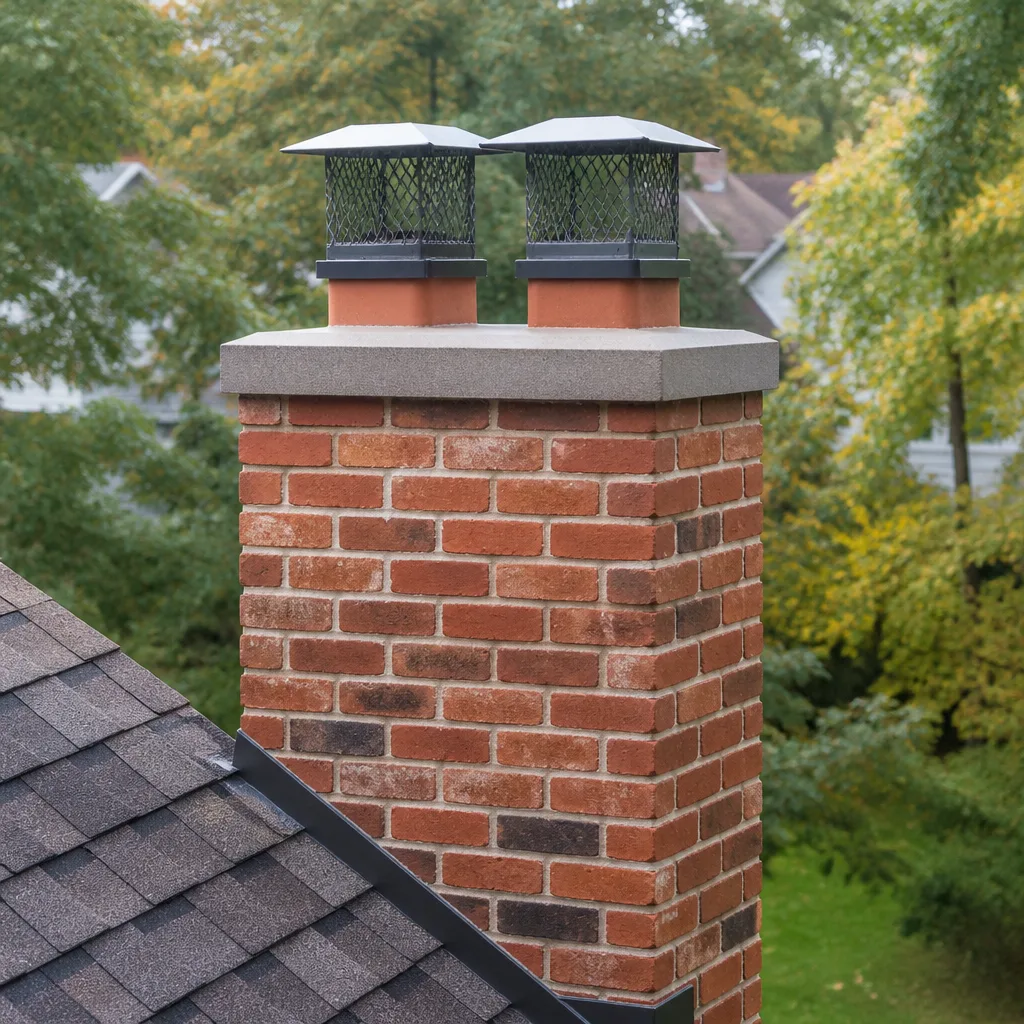 Caps & crowns
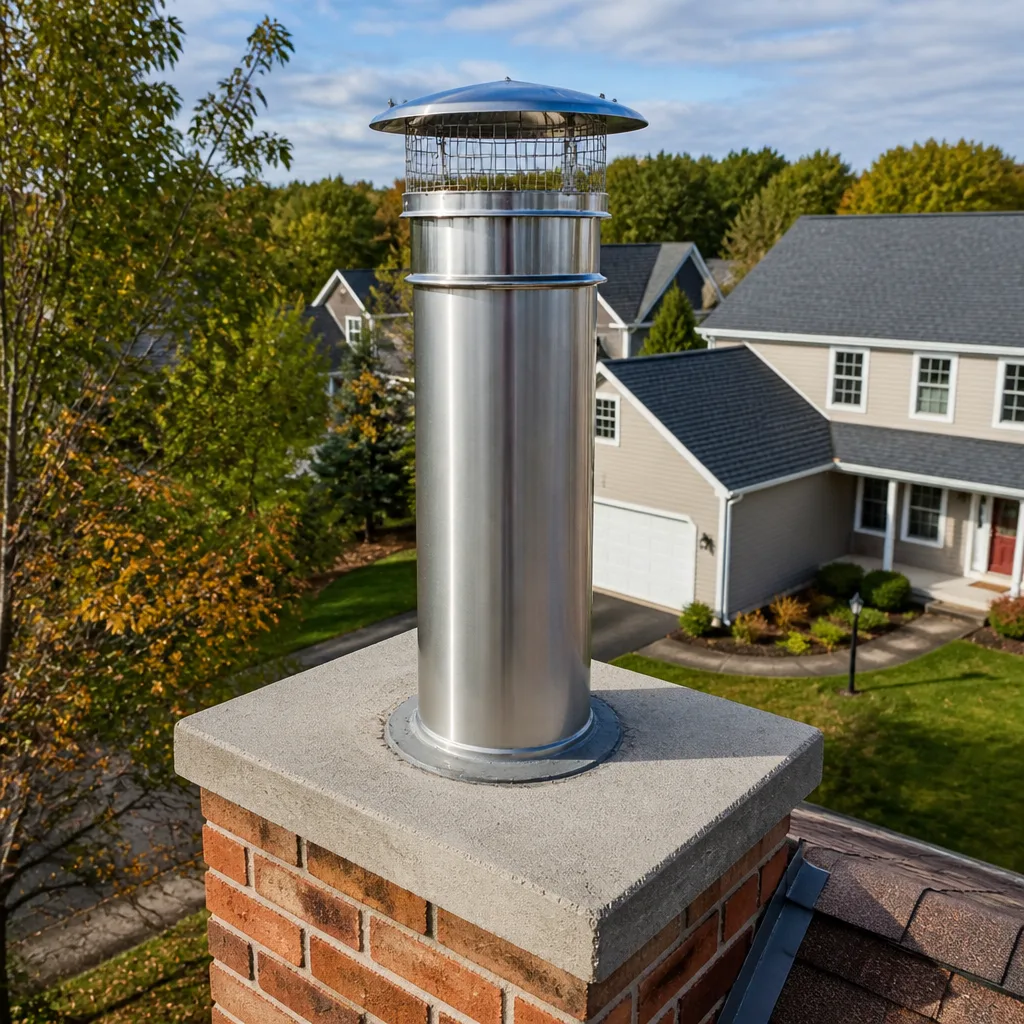 Flue relining
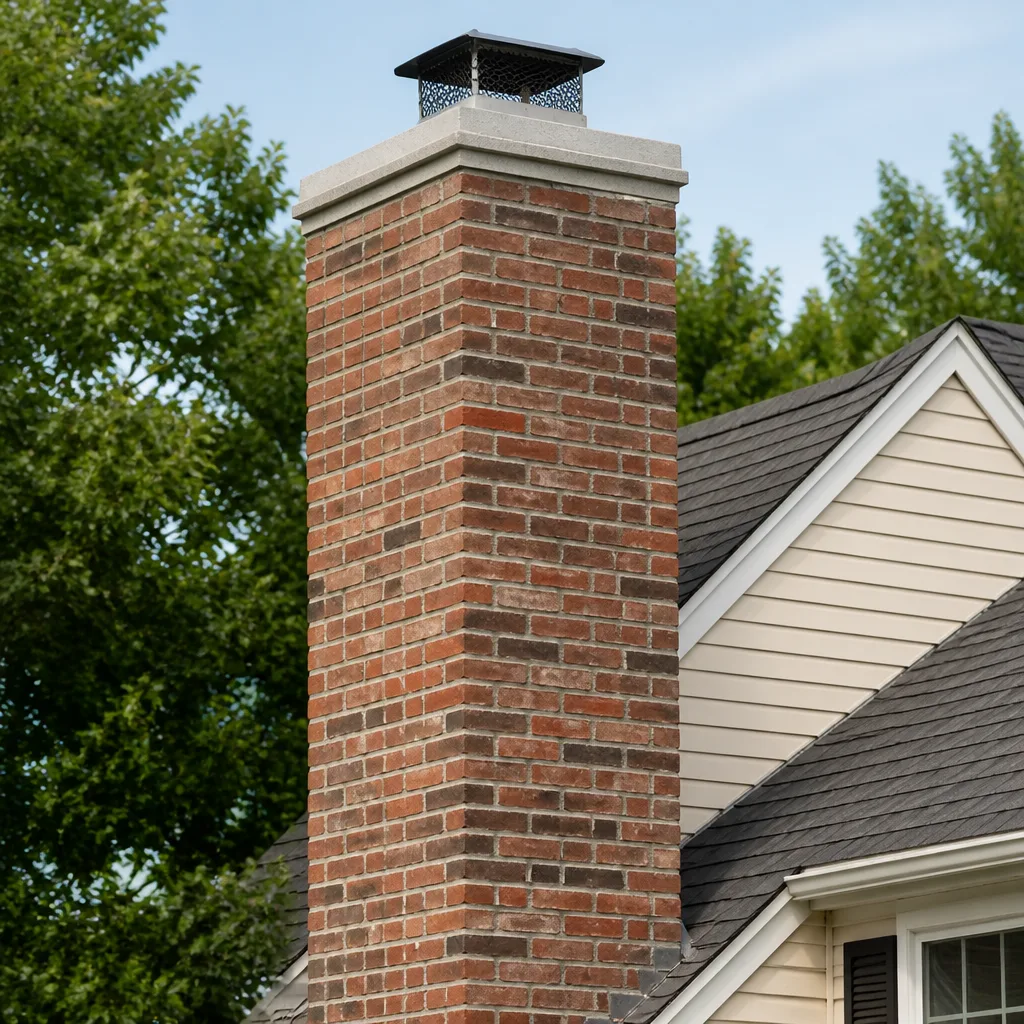 Masonry repair
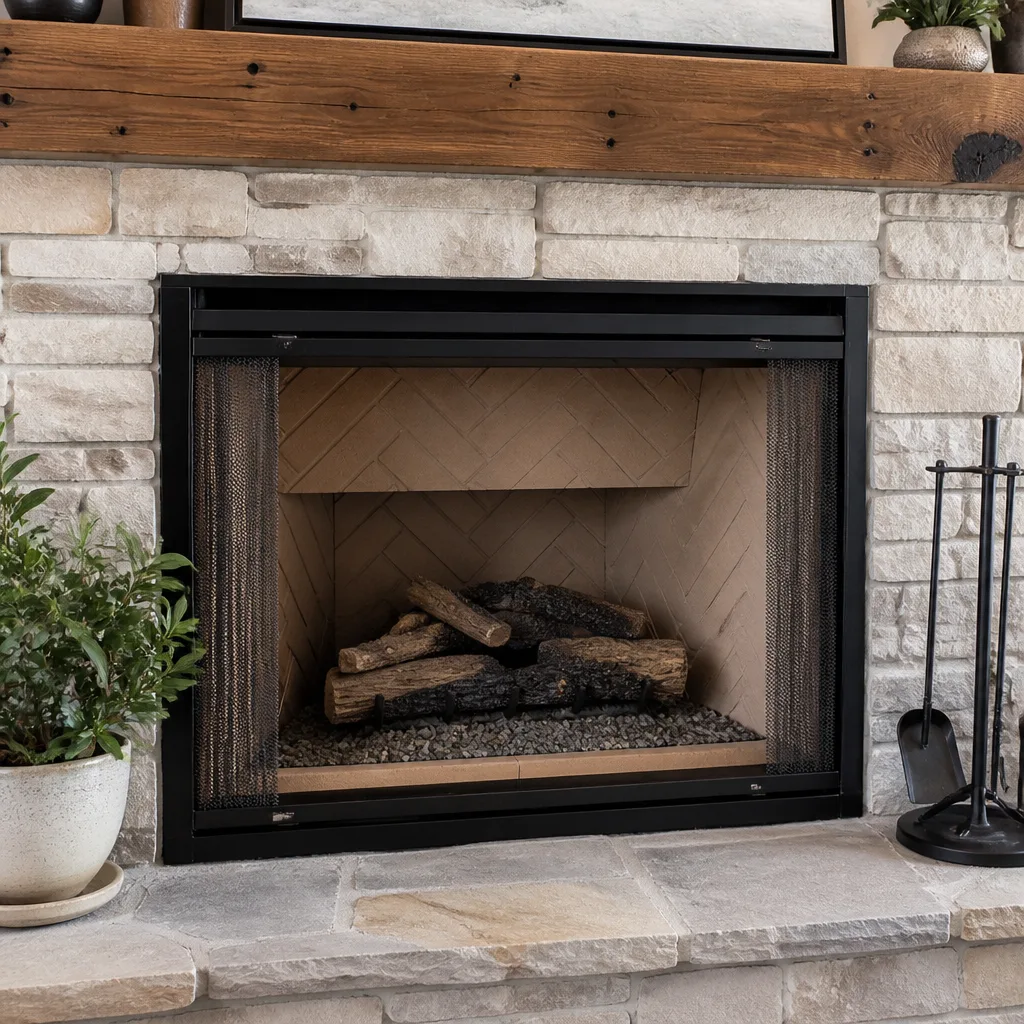 Gas fireplace service
Level 1 sweep and inspection to the NFPA 211 annual standard - flue, crown, cap, and flashing checked and photographed
Chimney sweep logs do not sweep chimneys. They loosen some creosote - which then falls where a brush and vacuum still have to collect it.
DIY vs Professional Chimney Cleaning: The Boulder Homeowner’s Decision Guide
The brush work is the easy part. Running a brush up a flue is a physical task most motivated homeowners can manage. The dangerous part is finishing the job, looking up the flue with a flashlight, and concluding everything is fine, when Stage 2 creosote glazed onto the back wall of the smoke chamber is completely invisible from that angle. We’re not going to tell you that you can’t push a brush. We’re going to show you exactly where the DIY approach stops being useful and starts creating a false sense of security, and what a trained eye catches in a Boulder chimney that a flashlight beam never will.
Quick Answer
A DIY chimney cleaning can remove loose soot and light ash from the visible flue, but it cannot tell you whether your liner is cracked, your smoke chamber is coated in glazed creosote, or your flue is a Stage 2 fire risk. Professional cleaning exists less for the brushing and more for the assessment: the camera inspection, the creosote staging, and the structural judgment that come from seeing hundreds of flues and knowing what a problem looks like before it becomes a chimney fire. In Boulder, where clay tile liners, high-altitude combustion, and dense pine burning all raise the stakes, that assessment matters more than the soot removal itself.
Styles & brands we work with
- Sweep & inspection
- Caps & crowns
- Flue relining
- Masonry repair
- Gas fireplace service
Table of Contents
- What a DIY Chimney Cleaning Can Actually Accomplish
- The Equipment Gap: Consumer Brush Kits vs. Professional Rotary Systems
- Boulder-Specific Risk Factors That Make Assessment Worth It
- The Three Stages of Creosote and Why Only One Comes Off With a Brush
- What a Professional Sees on Camera That Changes the Recommendation
- When DIY Is a Reasonable Interim Measure (and When It Isn’t)
- What a Professional Sweep in Boulder Actually Includes
- Common Mistakes to Avoid
- When to Call a Professional
- Frequently Asked Questions
What a DIY Chimney Cleaning Can Actually Accomplish
A homeowner with the right brush, drop cloths, and a ladder can knock loose soot and crumbly creosote from the walls of an accessible straight flue. That is genuinely the limit of what a consumer kit does well. It’s a real function, and it isn’t nothing, but it’s a fraction of what a cleaning actually needs to accomplish. Think of it as dusting the visible shelf while the back of the cabinet stays untouched.
Here’s the honest split between what DIY handles and what it doesn’t:
- Can do: remove light, fluffy soot from a straight vertical flue after a season of moderate burning; clear a simple cap obstruction like a bird nest or leaf pack from the top; give you a general sense that the flue is “mostly clear.”
- Cannot do: identify the creosote stage on the walls; inspect the liner for cracks, gaps, or spalling; assess the smoke chamber and smoke shelf for glazed buildup; check the damper, firebox joints, or crown for failure; verify that the flue is sized and lined correctly for the appliance.
The distinction matters because the invisible work is where chimney fires start. A flue that looks clean from the firebox up can still carry a heavy glazed deposit on the smoke chamber walls that a flashlight from below never illuminates. For a fuller picture of what a proper cleaning covers, see our chimney sweep page, which walks through every step of the service.
In our experience across Boulder, the homeowners who get into trouble are almost never the ones who skipped cleaning entirely. They’re the ones who cleaned thoroughly, looked up, saw nothing alarming, and stopped. The brush did its job. The eye did not.
The Equipment Gap: Consumer Brush Kits vs. Professional Rotary Systems
The tools are not the same class of equipment, and the difference isn’t marketing. A typical consumer chimney brush kit is a stiff-bristle or poly brush on flexible rods, turned and pushed by hand. It scrapes what will scrape. A professional rod-and-brush system with a rotary head is a different machine: a power-spun head that contacts the full circumference of the flue wall at speed, with the torque to shear through hardened deposits that a hand-pushed brush simply slides over.
What that difference looks like in practice:
- Stage 1 creosote (fluffy, flaky soot): both the consumer brush and the rotary head remove it. No contest here.
- Stage 2 creosote (hardened, crusted, tar-like): the consumer brush skips across the surface and leaves the deposit intact. The rotary head grinds it down. This is the deposit that matters most for fire risk, and hand-brushing does essentially nothing useful to it.
- Stage 3 creosote (glazed, hard as glass): neither brush removes it fully. It needs chemical treatment or liner replacement, which requires professional assessment to decide.
The other half of the equipment gap is what goes up after the brush: a camera on a flexible rod. The rotary head cleans; the camera tells you what you’re actually looking at. Neither tool is something a homeowner buys for one annual job, and the phone-scope approach misses the depth and angle a professional inspection rig provides. When a deposit is stubborn enough to require a different method, that’s where products like HeatShield ceramic resurfacing come in: it can restore a deteriorated clay liner without a full reline, and choosing between resurfacing and relining is exactly the kind of call that can’t be made from the firebox floor.
Boulder-Specific Risk Factors That Make Assessment Worth It
Boulder’s housing stock and burning habits raise the value of a professional eye above the national average. Three local factors stand out, and they compound each other.
Older homes with clay tile liners. Much of Boulder’s older housing was built with clay tile flue liners, which are durable but brittle. Over years of heating and cooling cycles, the mortar joints between tiles can crack and the tile faces can spall, flaking off in layers. A flashlight shows you the innermost tile. It doesn’t reliably show you the joints behind it, or the cracks that open on the far side of a tile. A cracked liner is a direct path for carbon monoxide and heat into the structure, and it’s one of the most common findings on a camera inspection in Boulder.
High-altitude creosote formation. At Boulder’s elevation, wood burns differently than it does at sea level: less available oxygen per cubic foot of air means cooler, less complete combustion in many appliances, and incomplete combustion produces more creosote. Homeowners who moved from lower elevations often burn the way they always have and are surprised at how quickly deposits build. The altitude doesn’t change the physics of your brush; it changes how fast the flue loads up between cleanings.
Beetle-kill pine burning habits. A lot of Boulder households burn locally sourced pine, including beetle-kill wood that’s been standing dead for years. Standing dead pine can be dry and burns hot, but pine in general is a resinous softwood that produces more creosote per cord than hardwood. Burning it seasoned is one thing; burning it green, or damping the fire down for an overnight burn, is how you accelerate Stage 2 formation. A professional sweep can tell you what your burn pattern is actually producing, which is information no amount of brushing gives you.
The Three Stages of Creosote and Why Only One Comes Off With a Brush
Creosote is the residue of incomplete combustion, and it forms in three distinct stages. Knowing which stage you’re dealing with is the single most important thing an inspection determines, because it sets both the cleaning method and the fire risk. A homeowner brushing the flue has no reliable way to tell the stages apart from below.
- Stage 1: Soot and flaky deposits. Light, dusty, easily brushed off. Low fire risk, removed by almost any brush. This is what most DIY cleanings actually address, and it’s the only stage a consumer kit handles well.
- Stage 2: Hardened, crusted creosote. Tar-like, baked onto the flue wall, difficult to remove. This is the stage that fuels chimney fires because it’s dense and combustible. A hand brush skips over it; a rotary head is needed to grind it down. If a sweep is going to find something alarming, it’s usually this.
- Stage 3: Glazed creosote. Hard, shiny, glass-like, and the most dangerous. It won’t come off with any brush. It requires chemical treatment or, in severe cases, relining. Identifying it early is the difference between a cleaning and a repair.
Here’s the trap: Stage 1 and Stage 3 both look “clean-ish” from the firebox floor with a flashlight. On the one hand, a light dusting of soot reads as “needs a sweep, no big deal.” On the other, a glazed Stage 3 wall can read as “dark but smooth, probably fine” to someone who’s never seen glazed creosote up close. The staging judgment is pattern recognition, and pattern recognition comes from repetition. When our technicians look at a flue, they’re comparing it against hundreds of others they’ve seen, not against a mental picture of what a clean chimney “should” look like.
What a Professional Sees on Camera That Changes the Recommendation
A camera inspection is where the real decision gets made, and it’s the part of the service a DIY cleaning cannot replicate. The camera travels the full length of the flue on a flexible rod, and it shows the liner joints, the smoke chamber, the smoke shelf, the damper plate, and the crown from the inside. What looks fine from below frequently isn’t, and the camera is how we find out which is which.
Examples of what the camera routinely reveals in Boulder homes:
- A hairline crack in a clay tile on the far side of the flue that no flashlight from the firebox will reach. Visually the flue looks intact; on camera, the joint is open.
- Spalled tile faces flaking off in layers, a sign the liner is failing even though the inner surface appears smooth.
- Glazed creosote on the smoke chamber walls that has no visible presence from the firebox, because the smoke chamber sits above and behind the damper.
- Offset joints and gaps in older flue construction where masonry has shifted, creating ledges that collect creosote and leak combustion gases into the structure.
- A deteriorated crown or missing cap letting water into the flue, which accelerates spalling and rust.
Any one of these changes the recommendation. A flue that only needed a sweep and a new chimney repair of the crown is a very different scope from a flue that needs resurfacing with HeatShield or a DuraFlex stainless-steel relining. Neither call can be made honestly without seeing the inside of the flue. That’s the reason we put a camera in every chimney before we recommend a repair: the recommendation has to be backed by evidence you can see on the screen with us.
When DIY Is a Reasonable Interim Measure (and When It Isn’t)
There are real situations where a DIY cleaning is a sensible stopgap, and situations where it creates a genuinely dangerous false sense of security. The dividing line is whether you’re addressing a known, low-risk condition or guessing at an unknown one.
Where DIY is reasonable:
- You’ve had a professional inspection within the last season and nothing was flagged, and you want to knock down light soot before a winter of burning.
- You’re mechanically confident, you have the right brush for your flue size, and you can get safely on the roof without risking a fall.
- You’re clearing an obvious obstruction (a leaf pack or bird nest) from a cap you can see and reach safely, after which you plan a full professional sweep.
Where DIY is not reasonable:
- You’ve never had the flue inspected, and you don’t know its condition.
- You’ve had a chimney fire at any point, even a small one you think you put out.
- You’re burning pine heavily, damping the fire overnight, or seeing dark, glassy deposits near the damper.
- Your home is older and you don’t know the liner’s history.
- You’ve noticed water staining, a cracked crown, or a loose cap you can’t safely reach.
The pattern is simple: DIY works when the condition of the flue is already known and low-risk. It fails when the whole point of the cleaning is to find out what condition the flue is in. That second case is the one most homeowners are actually in, and it’s the case where a DIY result that “looks fine” is the most reassuring thing in the world and the least reliable. For anything involving your fireplace repair or the firebox itself, a professional assessment isn’t optional.
What a Professional Sweep in Boulder Actually Includes
A professional sweep is a sequence, and every step exists because skipping it leaves something unseen. Here’s what the service involves when we do it:
- Protect the room. Drop cloths and a sealed vacuum system so the cleaning doesn’t leave soot on your floor or in your air.
- Sweep the flue. A rod-and-brush system matched to your flue size, often with a rotary head, to remove what will come off.
- Clean the firebox, damper, and smoke chamber. These are the surfaces a DIY firebox-only clean never reaches.
- Run a camera inspection. The full length of the flue, the liner joints, the smoke chamber, the crown. This is where the real information comes from.
- Document what we found. We show you the footage and photograph the findings, so the recommendation is evidence, not a sales pitch.
- Recommend only what the evidence supports. Sweep and done, or cap and crown work with Gelco or Olympia Chimney components, or liner repair with HeatShield or DuraFlex relining, whatever the camera actually shows.
That last point is the one we care most about. A clean chimney is a safe chimney, and the cleaning is the easy half. The half that protects your home is what happens after the brush: the inspection, the honesty about what we found, and a written estimate that sets the price before any work is booked. Our technicians have up to 14 years of experience, and the line between “this can wait” and “this needs addressing now” is one of the first things that experience teaches. For the full range of what we handle under one roof, from sweep to structural chimney sweep in Boulder, start with the pillar page.
Common Mistakes to Avoid
- Treating a clean-looking flue as a safe flue. The firebox view tells you almost nothing about the smoke chamber, liner joints, or creosote stage above the damper.
- Using a power washer or chemical solvent on a DIY basis. These can damage clay tile and mortar, and they leave you with a wet flue and no inspection data. Let a professional decide if chemical treatment is warranted.
- Skipping the roof-side inspection. Boulder’s pine and wind mean caps and crowns fail. A cap that looks fine from the ground can be cracked or dislodged when seen up close, and a missing cap lets water in that accelerates spalling.
- Burning green or damp pine and calling it seasoned. Resinous wood that hasn’t dried properly is one of the fastest ways to build Stage 2 creosote in a Boulder flue. Season it, and burn it hot.
- Assuming the altitude doesn’t matter. A fire that burned cleanly at sea level may struggle for oxygen at Boulder’s elevation, which means more incomplete combustion and faster deposits.
- Ignoring a chimney fire because it “went out on its own.” Even a small fire can crack a liner or open a joint. Any suspected fire deserves an inspection before the next burn.
- Buying a consumer brush kit and deciding that’s the whole job. The kit handles Stage 1 deposits and nothing else, and it gives you no information about Stages 2 and 3.
When to Call a Professional
Call us when the flue’s condition is unknown, when you’ve had any chimney fire, when you’re burning pine heavily or damping the fire overnight, or when you’ve noticed water staining, a loose cap, or dark glassy deposits near the damper. Call us if your home is older and you don’t know the liner’s history, or if you simply want the camera footage so you can make a decision with evidence rather than a guess. Chimney Sweep Boulder offers free estimates in Boulder. Call (855) 658-5187. We answer 24/7. Fast dispatch from 7am to 7pm, Sunday through Friday. A call outside dispatch hours is booked into the next opening, Sunday through Friday, 7am to 7pm.
Frequently Asked Questions
You can physically brush loose soot from a straight flue, but you can’t reliably assess liner integrity, smoke chamber condition, or creosote stage without a camera and professional training. If your flue has never been inspected or you don’t know its condition, call (855) 658-5187 for a free estimate before you decide.
A consumer brush removes Stage 1 soot and flaky deposits, and a professional rotary head removes hardened Stage 2 creosote that a hand brush skips over. Stage 3 glazed creosote needs chemical treatment or relining, which requires an inspection to identify. Call (855) 658-5187 for an exact quote if you suspect heavier deposits.
At Boulder’s elevation there’s less oxygen per cubic foot of air, which means cooler, less complete combustion in many appliances, and incomplete combustion produces more creosote. Combined with heavy pine burning and beetle-kill wood habits, flues here can load up faster than homeowners expect. Call (855) 658-5187 for an assessment of your burn pattern.
A camera shows the full length of the flue, including the far side of each clay tile, the liner joints, the smoke chamber, and the crown from the inside. A flashlight from the firebox only reaches the lowest visible section and misses the joints and the smoke chamber entirely. Call (855) 658-5187 to schedule a camera inspection.
No. A flue that looks clean from the firebox floor can still carry glazed creosote on the smoke chamber walls that a flashlight beam never illuminates. The visible surface is the least informative part of the chimney. Call (855) 658-5187 for a free estimate and let the camera tell you the truth.
A DIY cleaning doesn’t create risk by itself, but it does create a false sense of security when a homeowner concludes “it’s clean” from an incomplete view. The deposits that fuel chimney fires, Stage 2 and Stage 3 creosote, are the ones a hand brush leaves behind and a flashlight can’t reliably reveal. Call (855) 658-5187 for a professional assessment.
The Bottom Line
The DIY vs. professional chimney cleaning decision in Boulder comes down to what you’re trying to accomplish. If your flue is already known to be in good condition and you want to knock down light soot, a brush kit is a legitimate stopgap. If you don’t know your flue’s condition, the cleaning is the least important part of the job, and the assessment is the whole point: the camera, the creosote staging, and the structural judgment that catch what a flashlight beam can’t see. The brush work is the easy part. Looking up and knowing whether everything is fine is what separates a safe chimney from one that looks safe until it isn’t. Our technicians have up to 14 years of experience, we use professional-grade materials from DuraFlex, HeatShield, Gelco, and Olympia Chimney, and we back every recommendation with camera evidence you can see for yourself.
Chimney Sweep Boulder handles the full system under one roof, from sweep and inspection through fireplace repair and cap and crown installation. Free estimates, a flat-price sweep agreed before booking, and honesty about what can safely wait. Call (855) 658-5187. We answer 24/7. Fast dispatch from 7am to 7pm, Sunday through Friday. A call outside dispatch hours is booked into the next opening, Sunday through Friday, 7am to 7pm.
Written by the team at Chimney Sweep Boulder.
See the difference
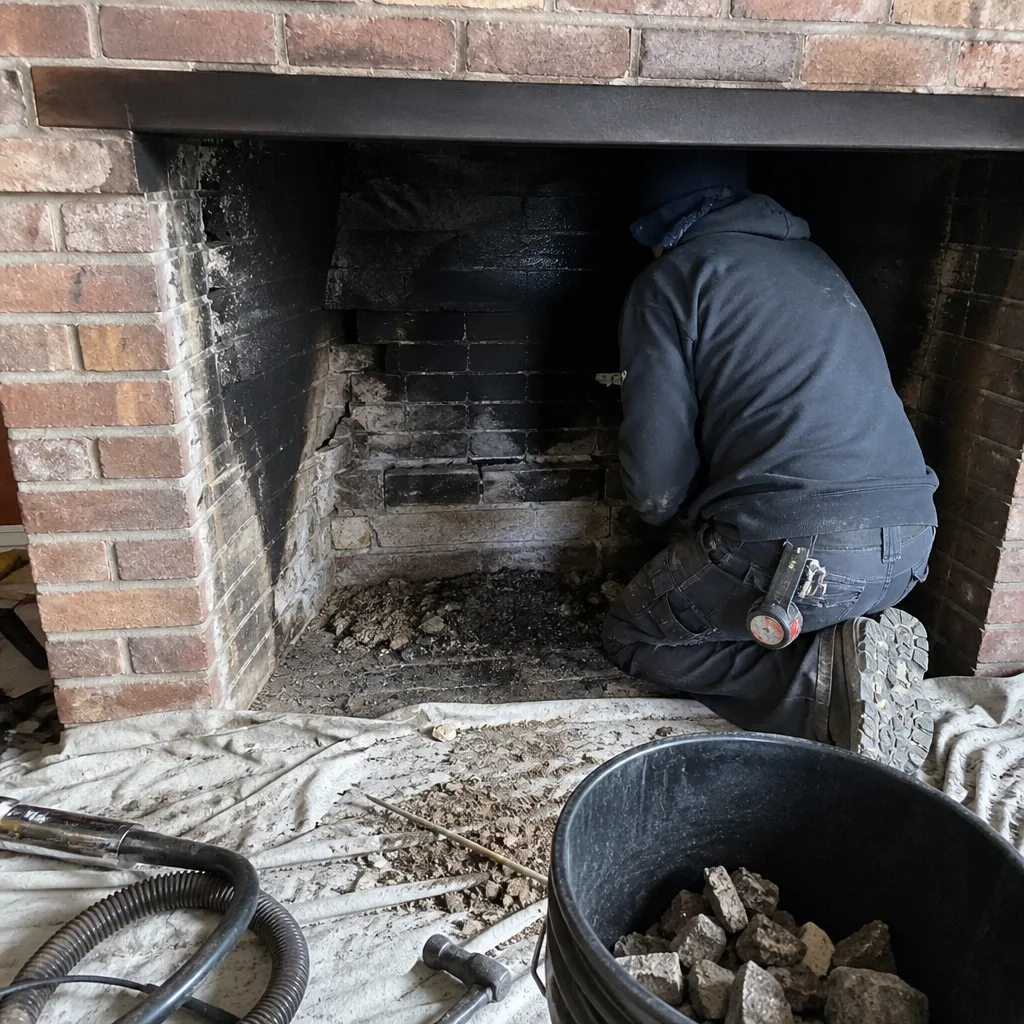 Before
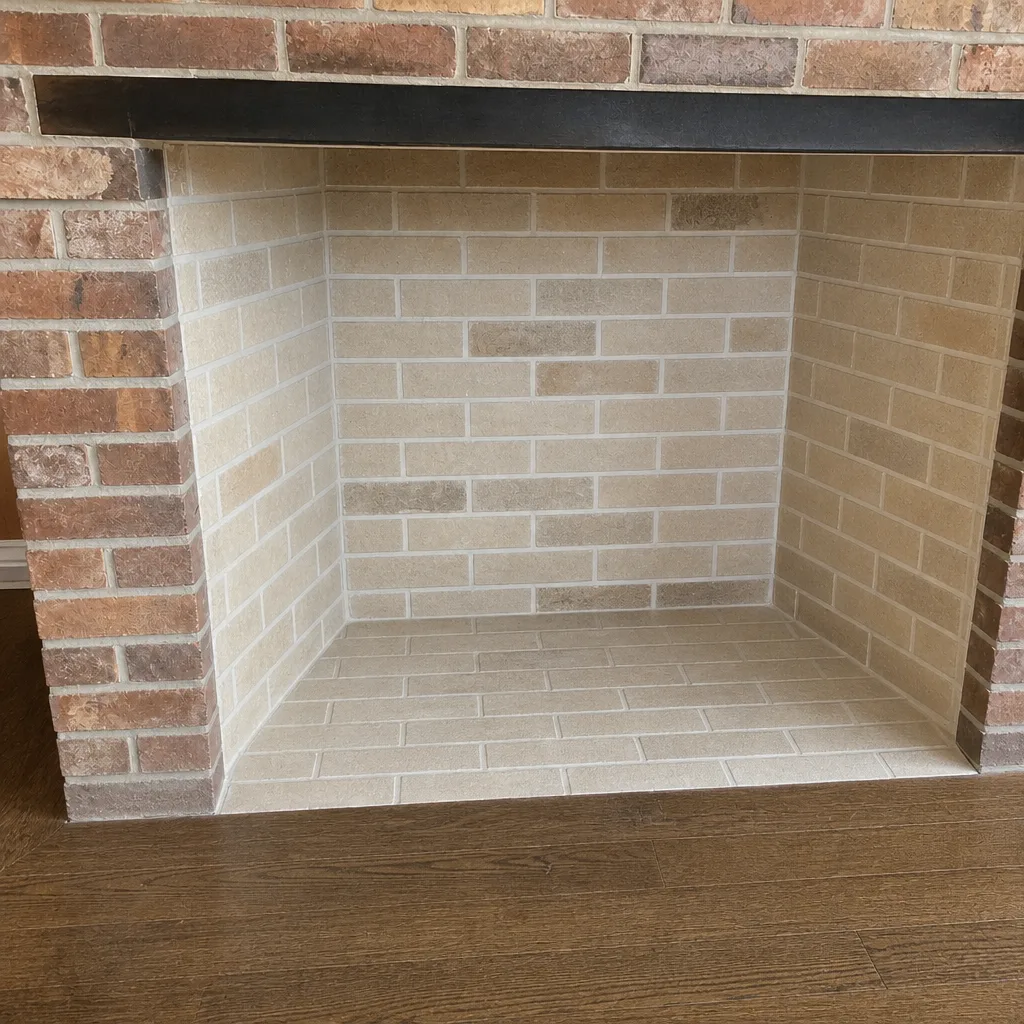 After
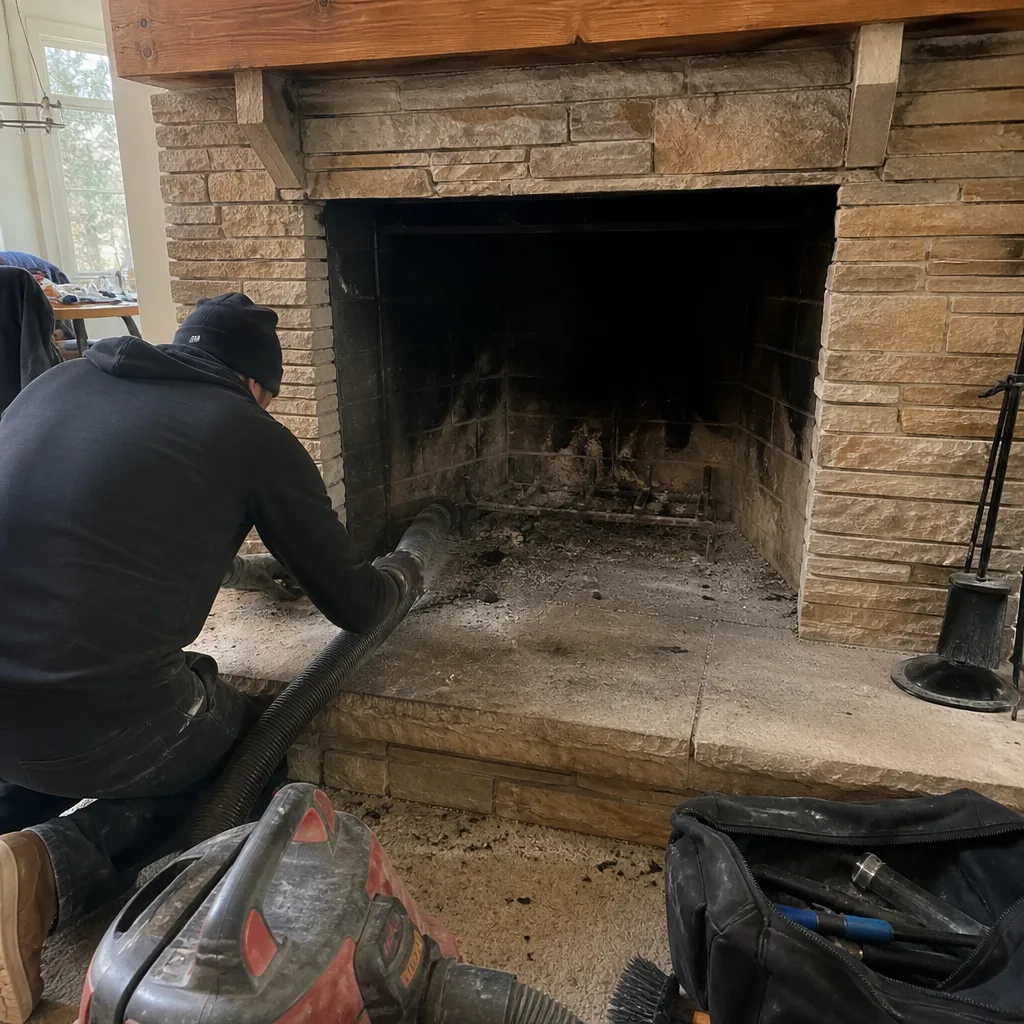 Before
 After
 Before
 After