
Last updated November 23, 2026
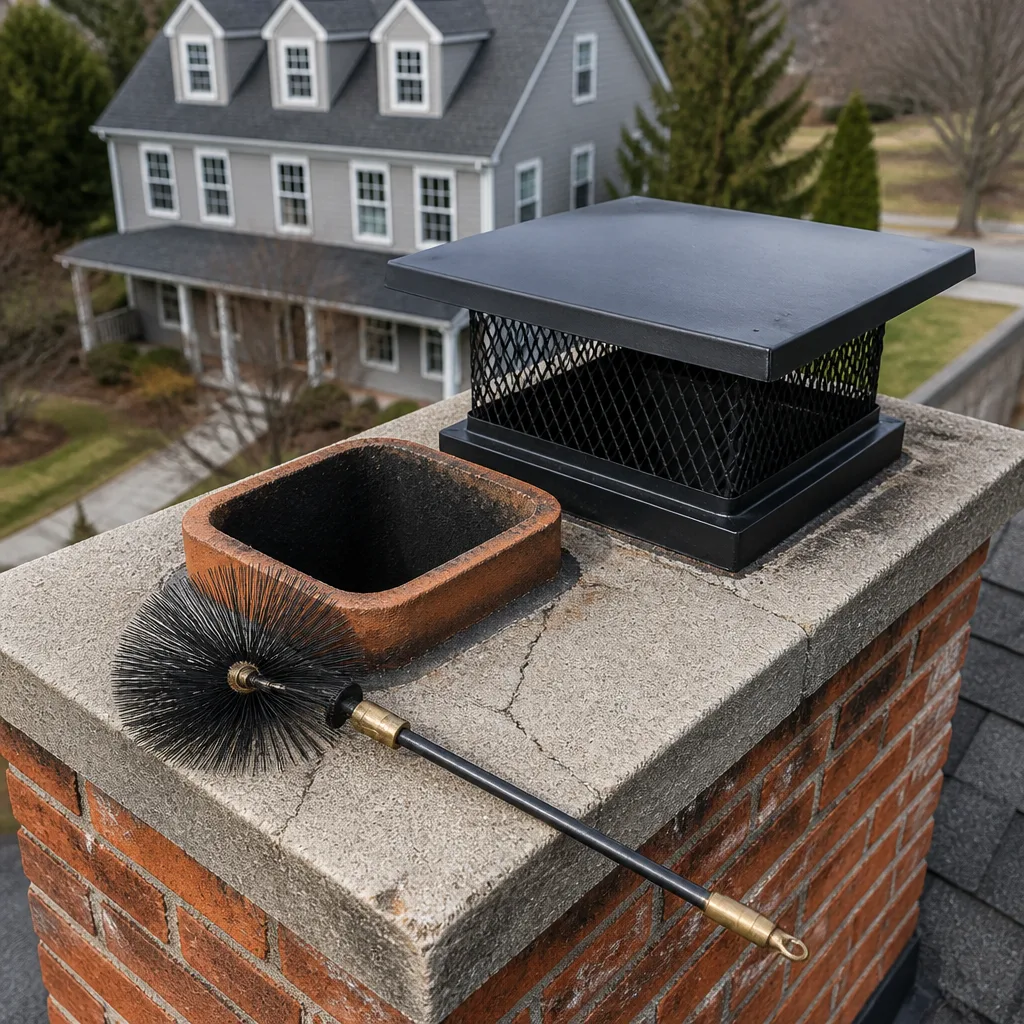 Sweep & inspection
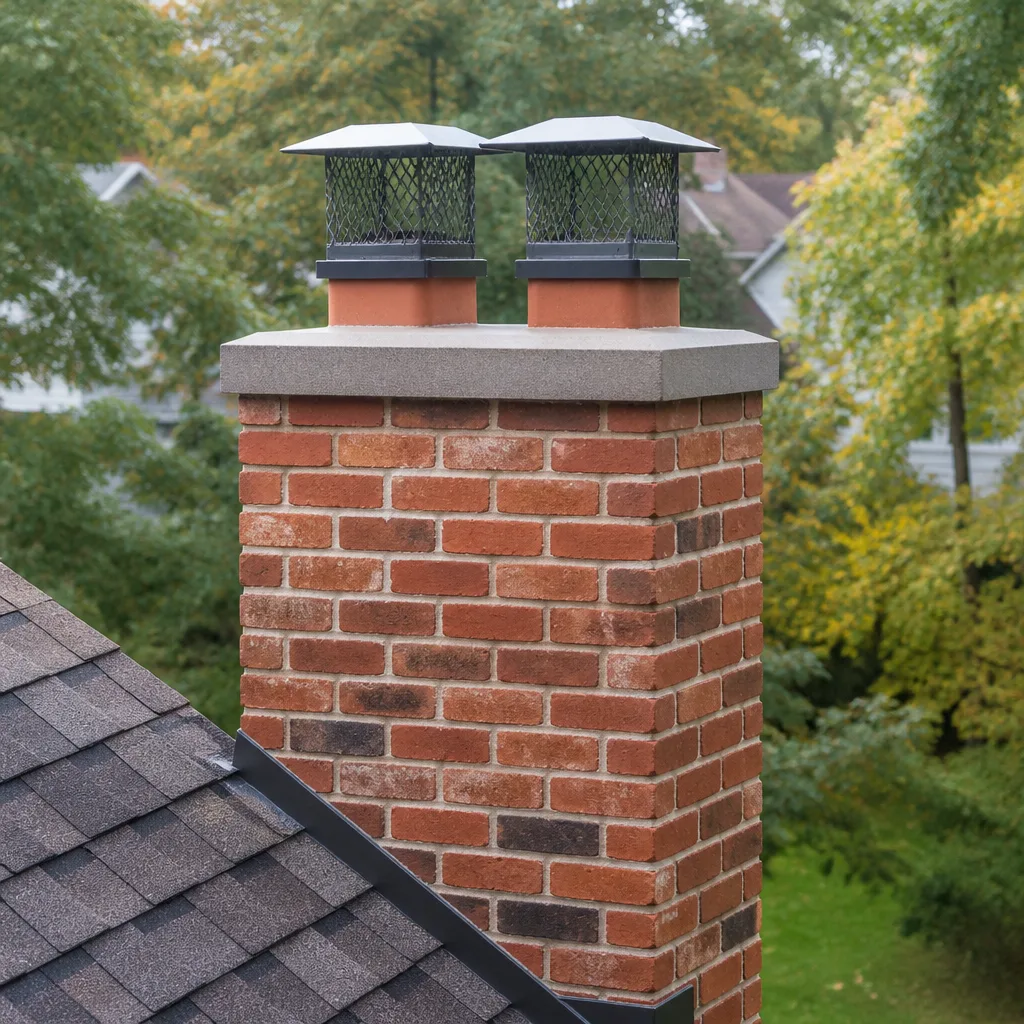 Caps & crowns
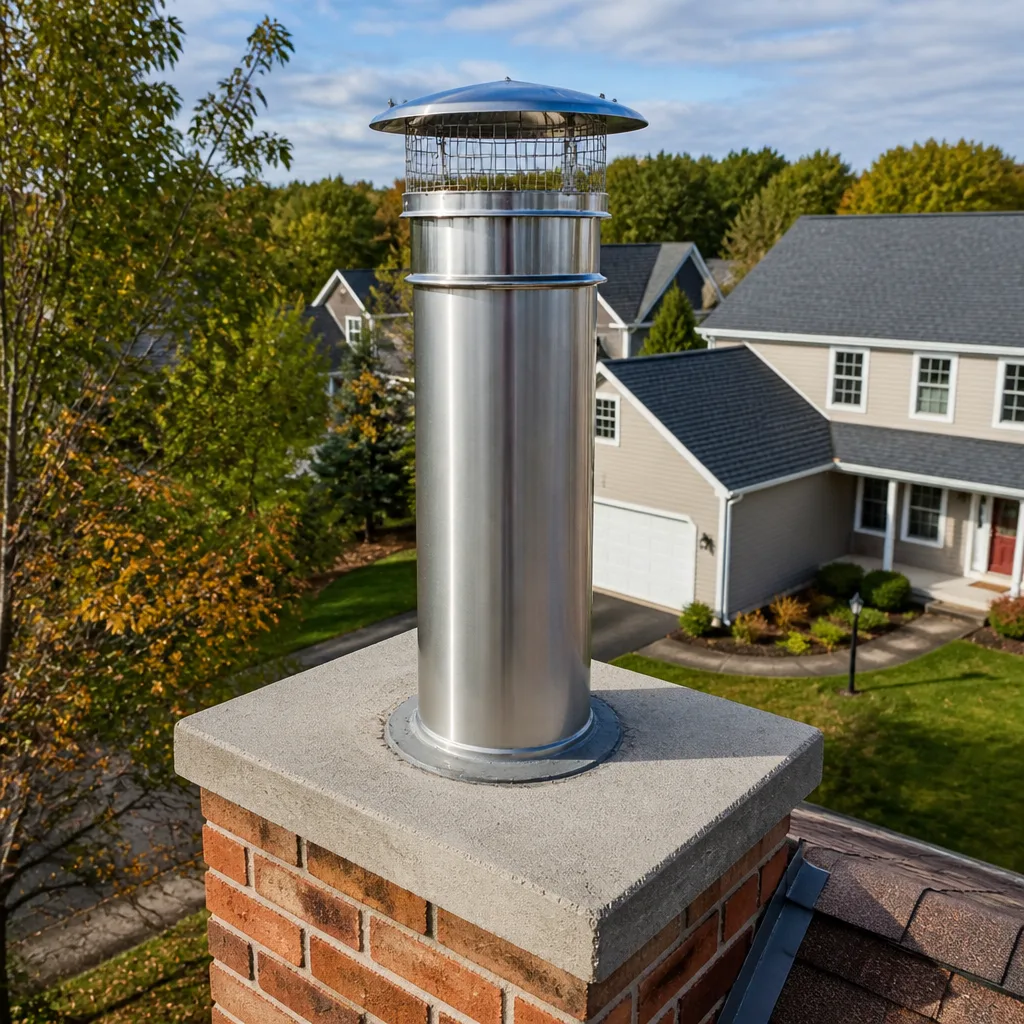 Flue relining
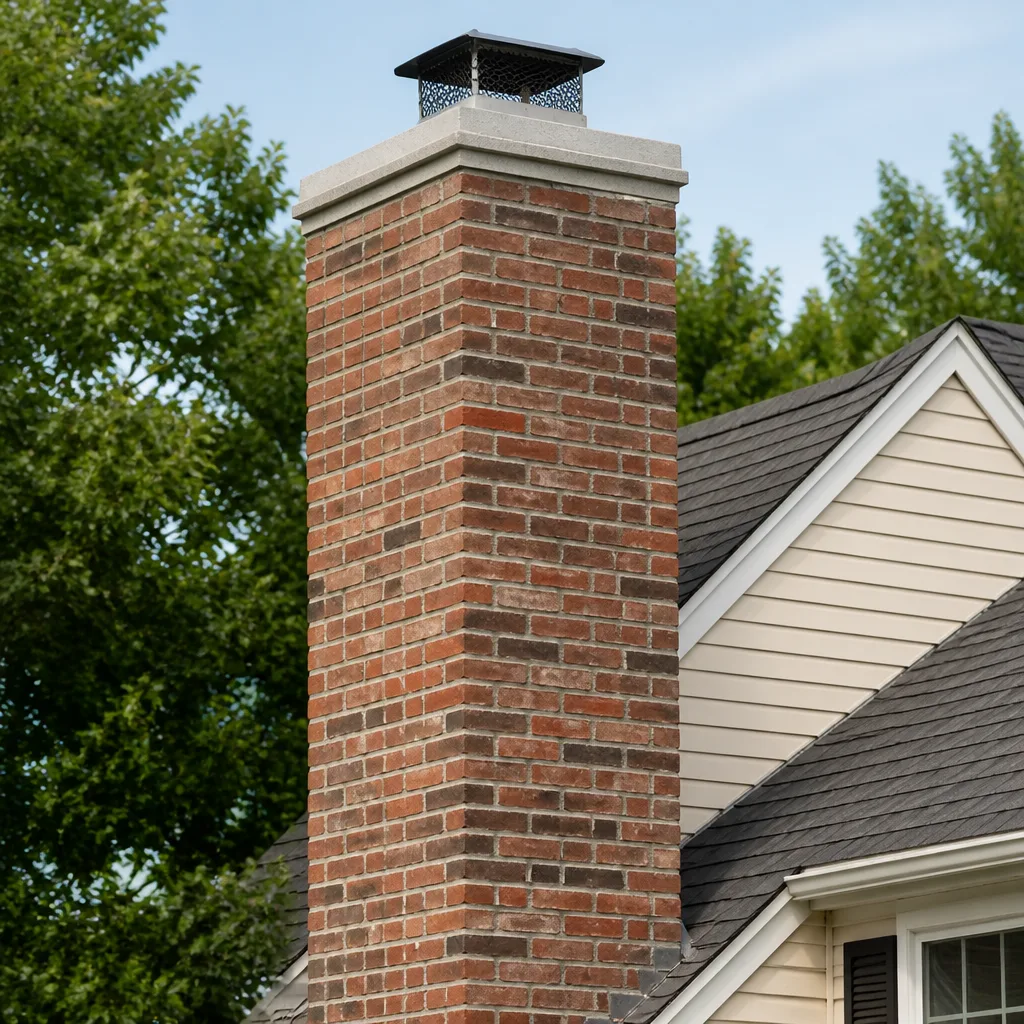 Masonry repair
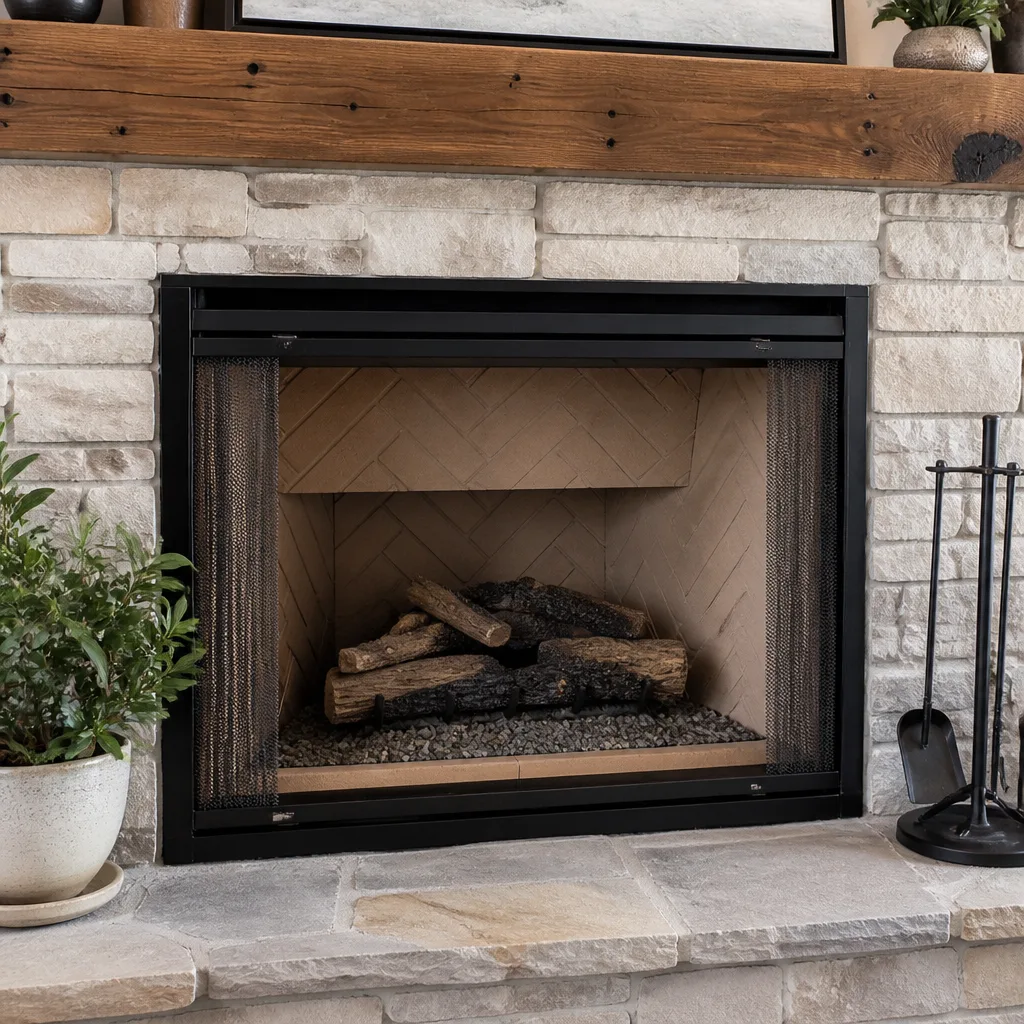 Gas fireplace service
Level 1 sweep and inspection to the NFPA 211 annual standard - flue, crown, cap, and flashing checked and photographed
Chimney sweep logs do not sweep chimneys. They loosen some creosote - which then falls where a brush and vacuum still have to collect it.
Chimney Cleaning Emergency Preparedness Guide for Boulder Homes
Most Boulder homeowners think about chimney care once a year, usually in the fall, usually in a hurry. The trouble is that the chimney only becomes an emergency heat source when something else has already failed – a winter storm knocks out power across the Front Range, or a wildfire evacuation order sends you away for days. The December 2021 Marshall Fire showed how quickly thousands of Boulder County households can lose power at once, and many of them turned to fireplaces that hadn’t been lit or inspected in years. That’s the convergence worth worrying about: emergency dependency meeting deferred maintenance. This guide explains how to verify your chimney is genuinely emergency-ready before you need it, what to check before that first fire after a long dormancy, and how to respond if something goes wrong.
Quick Answer
Chimney emergency preparedness in Boulder means verifying your flue is clear, your damper works, and your liner and cap are intact before a power outage forces you to rely on the fireplace – not during one. A pre-event chimney inspection, a clean flue, and a small emergency kit (CO detector, fire extinguisher, spare damper key) are what turn your fireplace from a liability into a dependable backup heat source.
Styles & brands we work with
- Sweep & inspection
- Caps & crowns
- Flue relining
- Masonry repair
- Gas fireplace service
Table of Contents
- Why Boulder Chimneys Face a Distinct Emergency Risk
- The Pre-Event Readiness Checklist
- What to Check Before the First Emergency Burn
- Wildfire Evacuation and Returning to a Home With a Dirty Flue
- What to Do if a Chimney Fire Starts During an Emergency
- Building Your Chimney Emergency Kit
- How Emergency Readiness Differs From Routine Maintenance
- What Trained Technicians Look For That You Can’t See
Why Boulder Chimneys Face a Distinct Emergency Risk
Boulder sits at the base of the Front Range, and winter storms here have a habit of taking the power grid down with them. Wet, heavy snow and high winds knock out lines; wildfire pre-emptive shutoffs add another layer. When the heat goes off, a fireplace becomes more than ambiance – it becomes the difference between a warm house and a cold one.
That’s exactly when problems surface. A chimney that’s sat unused since last spring has had months to accumulate nesting material, leaf litter, and a fresh layer of creosote. The fire you light in a crisis is often the first fire of the season, lit in the least favorable conditions: no power for lights, no ability to see up the flue, and a household already under stress.
In our experience, the homes most at risk are the ones where the fireplace is a “sometimes” feature – used a few times a year, never quite on a maintenance schedule. Those are precisely the homes most likely to lean on it during an outage. Preparedness closes that gap. A properly maintained chimney, serviced through a routine chimney sweep, is far more likely to perform safely when you actually need it.
The Pre-Event Readiness Checklist
Emergency readiness is not the same as seasonal prep. Seasonal prep is about getting ready for the burning season; emergency readiness is about confirming the fireplace will work when everything else fails. This checklist is designed to be run once a year, ideally in late fall, before the first major storm system moves through Boulder.
- Confirm the flue is clear. A professional inspection with a camera catches obstructions, animal nesting, and cracked tiles you cannot see from the firebox.
- Test the damper. Open and close it fully by hand. It should move smoothly and seal when closed. A sticking or jammed damper is a real hazard during an emergency because you can’t control the draft.
- Inspect the cap. A missing or damaged cap is the single most common way animals and debris get in. Our team installs purpose-built caps from Gelco and Olympia Chimney, so the cap does the job it’s supposed to.
- Check the firebox for cracks. Hairline cracks in the firebrick can widen with heat. If you see anything deeper than a surface mark, get it looked at.
- Verify your smoke and CO detectors. Test both, replace the batteries, and confirm the CO detector is on the same floor as the fireplace.
- Stock dry, seasoned firewood. Wet wood produces more creosote and less heat. Keep a covered supply ready for emergencies.
- Know your shutoffs. Locate the gas shutoff if you have a gas fireplace, and note where your fire extinguisher lives.
None of these steps require you to diagnose anything technical yourself. What they do is surface the obvious issues before a storm does.
What to Check Before the First Emergency Burn
Fireplaces that sit dormant for months are the ones most likely to give you trouble the first time you light them. In our experience, the causes of chimney fires and smoke-back issues during a first emergency burn come down to three things: obstruction, a faulty damper, and animals that moved in while you weren’t looking.
Here’s what to check, in order, before you light that first fire:
- Look up the flue with a flashlight. You won’t see far, but you’ll catch obvious blockages – a bird’s nest, a heavy leaf accumulation, a fallen cap.
- Open the damper and confirm airflow. Hold a lit match or a piece of smoking paper near the open damper. Smoke should draft up and out. If it drifts back into the room, do not light a fire.
- Check for animal nesting. Squirrels, birds, and raccoons are the classic offenders. If you hear scratching or see debris in the firebox, stop and have the flue inspected.
- Smell for a strong creosote odor. A heavy, tar-like smell from the firebox often means a significant creosote buildup that needs a sweep before you burn.
- Inspect the cap from the ground. Binoculars work. If the cap is missing or bent, assume debris has entered.
If any of these checks fail, don’t light the fire. A quick call for a proper chimney repair assessment is far cheaper than a chimney fire.
Wildfire Evacuation and Returning to a Home With a Dirty Flue
Boulder County has been through enough wildfire seasons that most residents know the evacuation drill. What’s less discussed is what happens to your chimney while you’re gone – and what you should check when you return.
Wildfires generate enormous amounts of airborne ash and debris. That material settles on roofs, in gutters, and on and inside chimney caps. A cap that was fine when you left can be partially clogged when you return. Worse, embers and ash can work their way into the firebox through an open damper.
When you come home after an evacuation, treat the chimney as suspect until proven otherwise:
- Look at the roofline and cap for accumulated ash and debris.
- Open the firebox and inspect for ash that shouldn’t be there.
- Do not light a fire until the flue has been checked for obstructions.
- If you smell smoke indoors with no fire lit, that’s a sign of a blocked flue – get it inspected.
A post-evacuation inspection is a small cost compared with the alternative, and a professional chimney inspection with a camera report will tell you exactly what condition the flue is in.
What to Do if a Chimney Fire Starts During an Emergency
Chimney fires are not always dramatic. Many are slow, quiet, and confined to the flue – which makes them easy to miss and dangerous to ignore. Recognizing one early is the single most important skill for emergency preparedness.
How to identify a chimney fire
- A loud roaring or rumbling sound from the flue, like a freight train in the distance.
- Dense, dark smoke or sparks coming from the top of the chimney.
- A strong, hot, tar-like smell in the room.
- Popping or crackling that continues after the fire has burned down.
- Visible glowing or distorted metal at the cap.
How to respond
- Get everyone out of the house and call 911. This is not negotiable. A chimney fire can spread to the structure faster than you’d expect.
- If you can do so safely, close the damper and the firebox doors. This starves the fire of oxygen. If the firebox is too hot to approach, leave it alone.
- Do not pour water down the flue. Thermal shock can crack tiles and cause a much more serious failure.
- Wait for the fire department. Even if the fire appears to burn out, the flue needs to be inspected before you use the fireplace again.
When it’s safe to restart
Only after a professional inspection has confirmed the flue, liner, and cap are intact. Creosote fires can damage the liner in ways you can’t see from inside the house, and the risk of a second, worse fire is real. A HeatShield ceramic resurfacing or a DuraFlex liner system may be the fix – but only an inspection tells you which.
Building Your Chimney Emergency Kit
Most emergency kits for homes focus on water, food, and flashlights. A chimney-specific kit is smaller, cheaper, and easier to overlook. Put one together now, before you need it.
- A carbon monoxide detector. One on every level, with a working battery. CO is colorless and odorless, and a compromised flue is a common source in homes with fireplaces.
- A fire extinguisher rated for chimney fires. Look for a Class A extinguisher, suitable for wood and paper. Keep it near the fireplace, not in the garage.
- A spare damper key or handle. If your damper uses a removable key, losing it during an emergency leaves you unable to control the fire.
- A flashlight with fresh batteries. You need to be able to look up the flue when the power is out.
- A small ash shovel and metal bucket. For safely removing ash without dumping hot embers into a plastic bucket.
- A printed copy of your last inspection report. If a fire department or insurer needs it, you’ll want it in hand, not on a dead phone.
Keep the kit in one place, near the fireplace. The point is not to handle emergencies yourself but to have the right tools on hand until a professional arrives.
How Emergency Readiness Differs From Routine Maintenance
Routine maintenance keeps your chimney safe during normal use. Emergency readiness is a separate layer – it’s about what happens when your usual heat source fails. Most homeowners do one and skip the other.
Routine maintenance typically includes an annual sweep and inspection, a visual check of the cap and crown, and a review of the firebox. That’s the backbone, and it’s why we offer the whole set of services under one roof – fireplace repair, sweeping, inspection, caps, and crowns. A single company accountable for the whole system means nothing falls between vendors.
Emergency readiness adds to that with a few focused checks:
- Confirming your CO detector is current and functional.
- Testing the damper by hand before the heating season starts.
- Verifying that your firewood is covered and seasoned.
- Knowing the location of your fire extinguisher and shutoffs.
- Reviewing your last inspection report and keeping it accessible.
Together, these make the difference between a fireplace that works when you need it and one that becomes the emergency.
What Trained Technicians Look For That You Can’t See
There’s a limit to what any homeowner can check. A lot of chimney problems live where you can’t see them – inside the flue, behind the firebox, in the crown and cap assembly. This is why the pre-event inspection is the centerpiece of any preparedness plan. Our technicians have up to 14 years of experience, and in that time the most common issues they find in dormant chimneys are the ones that never make a sound.
A professional inspection typically covers:
- The full length of the flue via camera.
- The condition of the liner – cracks, gaps, and early deterioration.
- The firebox and firebrick.
- The damper and smoke chamber.
- The crown and cap assembly.
- Signs of previous over-firing or a slow chimney fire.
When the report comes back showing damage, the fix depends on what’s found. HeatShield ceramic resurfacing can restore a deteriorated flue without a full reline, and a DuraFlex liner system handles cases where the original liner is beyond resurfacing. We work with professional-grade materials – the same brands specialists use, not hardware-store substitutes – and we tell you honestly which your chimney actually needs.
Start with the parent resource if you haven’t been to our main page: Chimney Sweep Boulder lays out the full set of services we offer. From there, an inspection is the logical first step for any home relying on its fireplace as emergency backup.
Common Mistakes to Avoid
- Assuming the fireplace will work because it worked last year. Dormancy changes things – animals nest, caps fail, and creosote hardens. A quick pre-season check catches all three before a storm does.
- Lighting the first fire of the season in a storm. Do the checks in daylight, in good weather. The night of a power outage is not the time to discover a blocked flue.
- Skipping the chimney sweep because “we only use it a few times.” Light use still builds creosote, and in Boulder’s dry winter air, the buildup can be significant over a single season.
- Ignoring that faint creosote smell in the firebox. A strong tar-like smell is a signal, not a quirk. It usually means a sweep is due.
- Using a hardware-store decorative cap on an active flue. Purpose-built caps from Gelco and Olympia Chimney are what the trade uses – they’re sized and constructed for real conditions, not decoration.
- Waiting to inspect after an evacuation. Ash and debris settle into flues quickly. A post-evacuation inspection is cheap insurance.
- Restarting a fire after a suspected chimney fire without an inspection. A creosote fire can damage the liner invisibly. Always get the flue checked first.
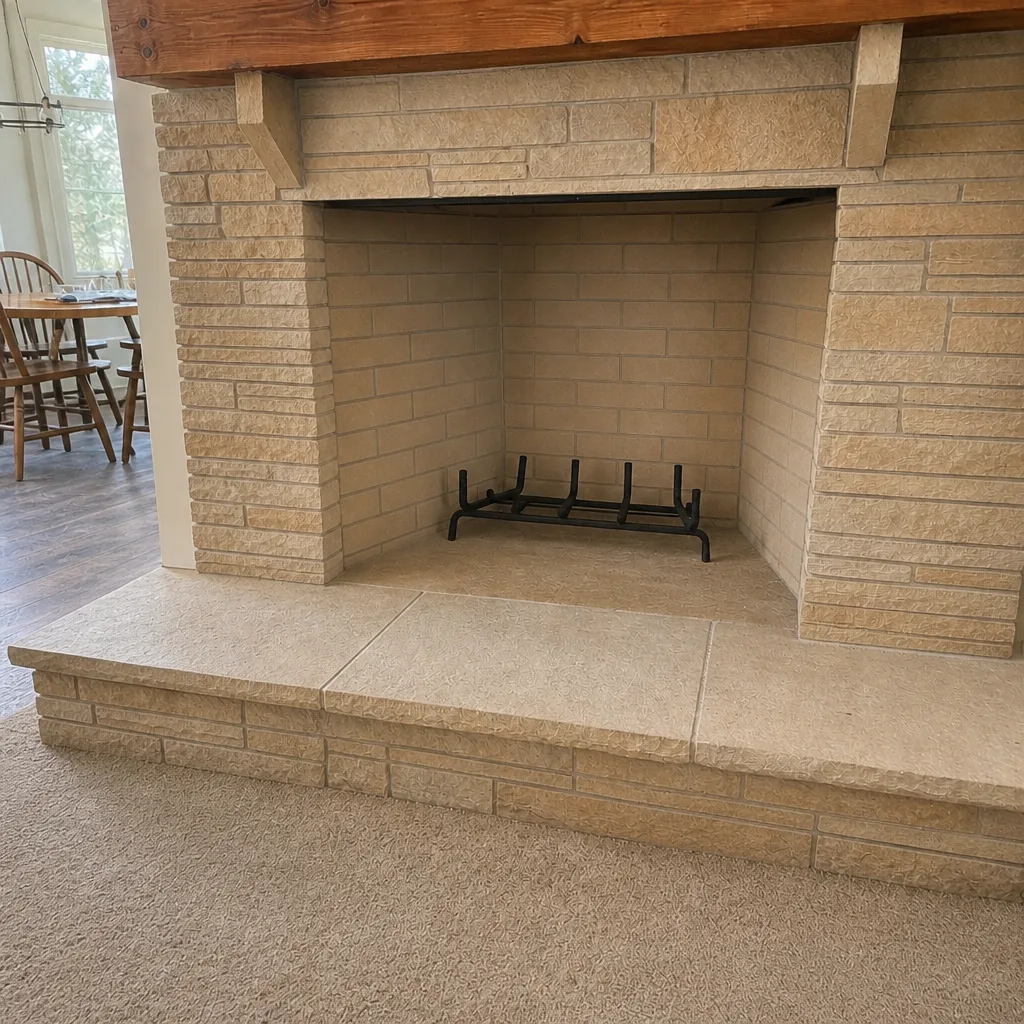
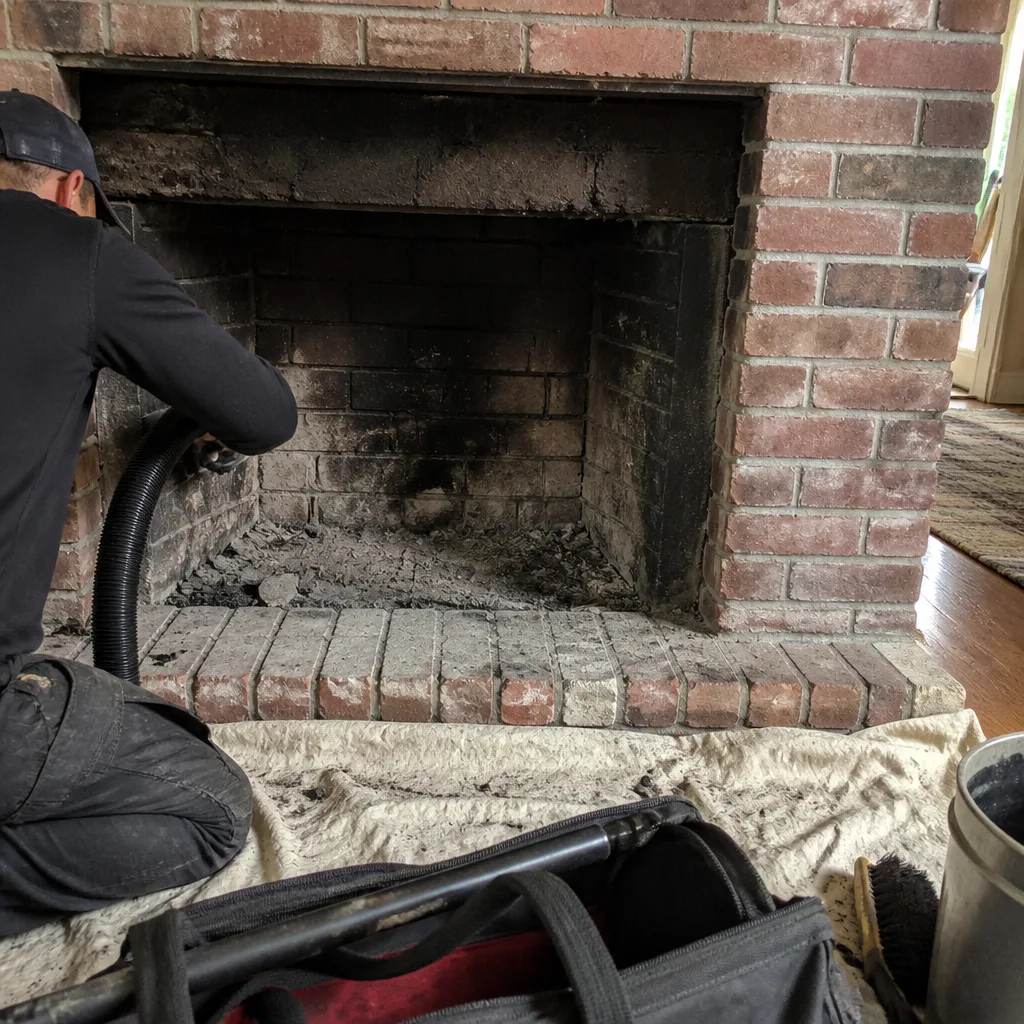
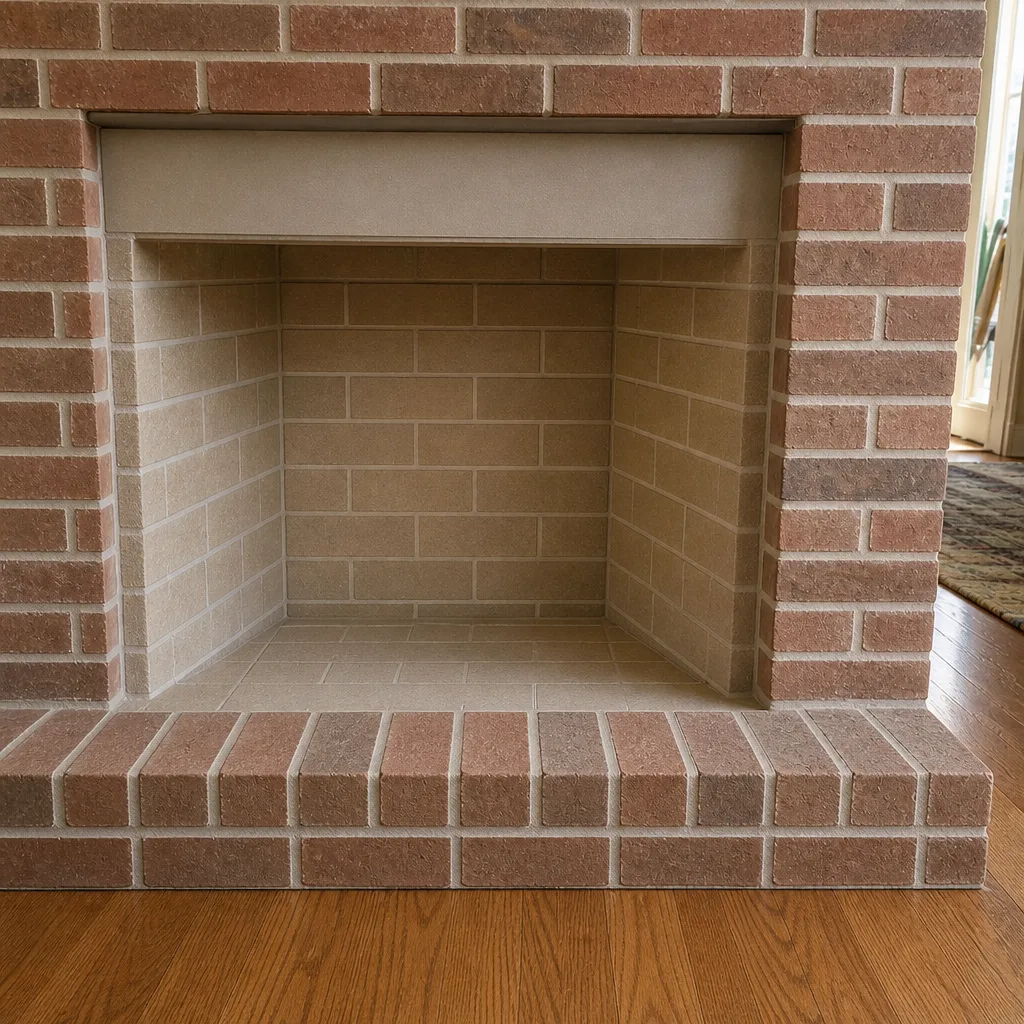
See the difference
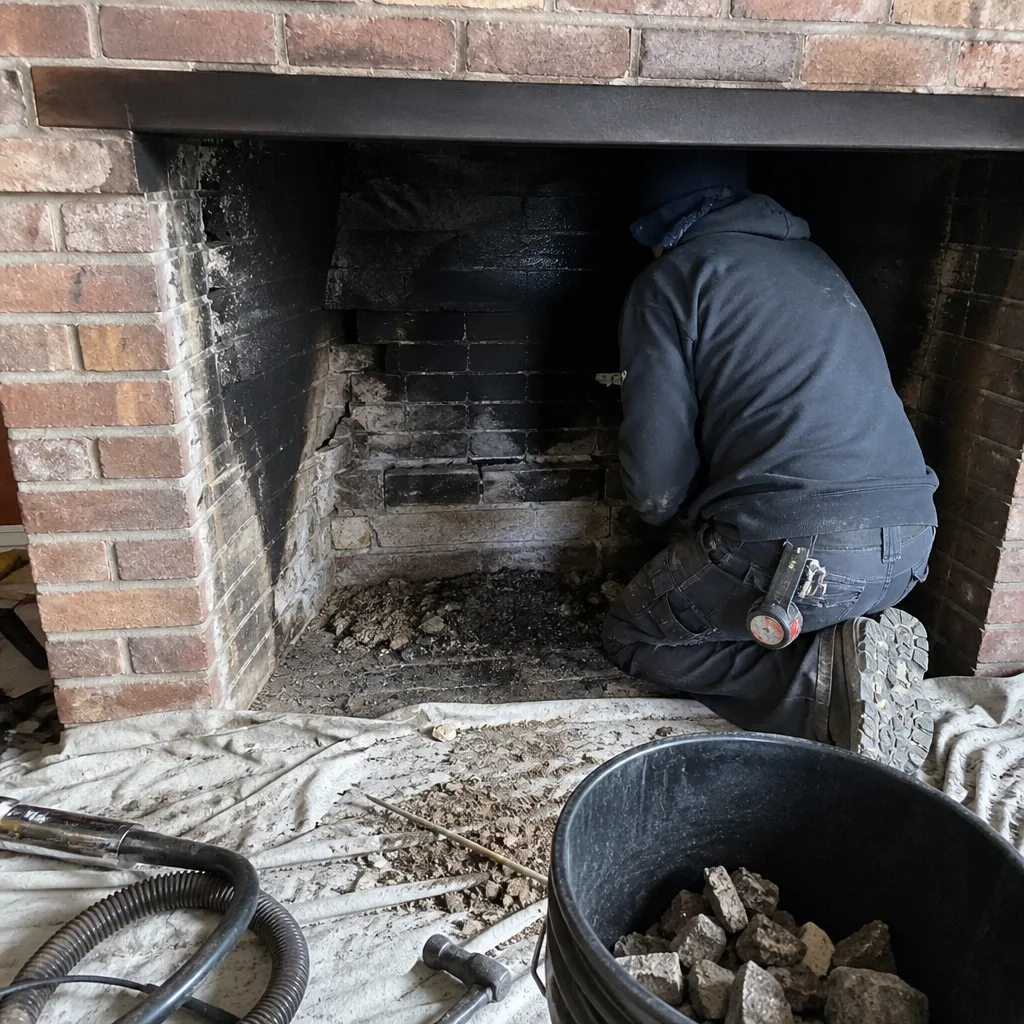 Before
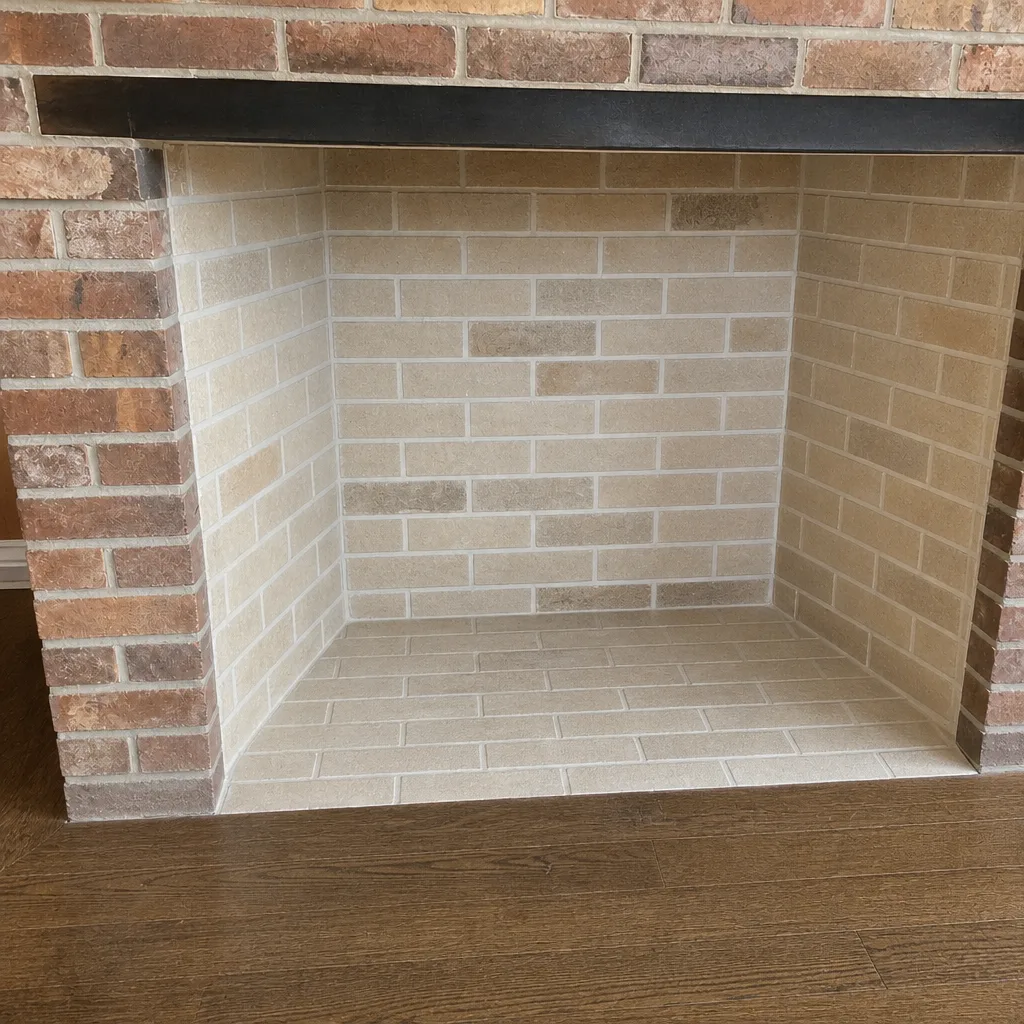 After
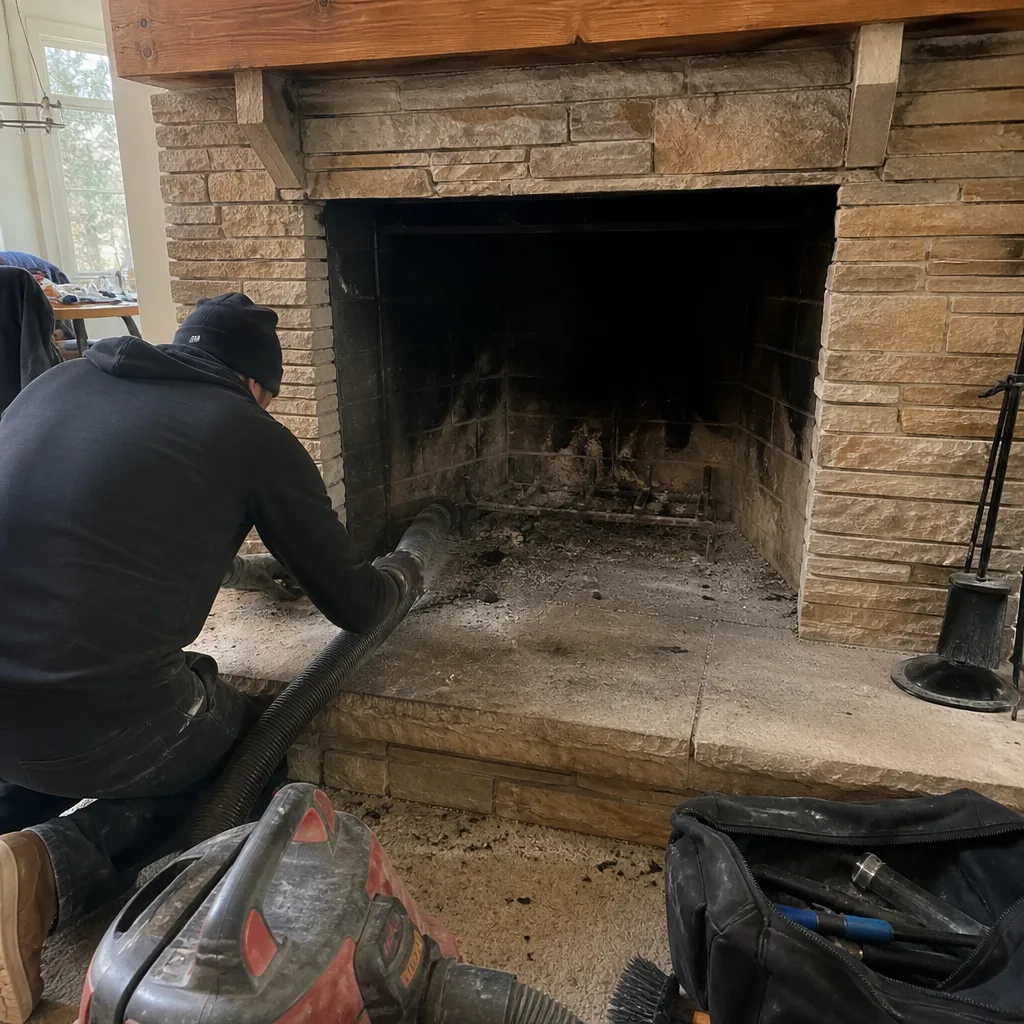 Before
 After
 Before
 After
When to Call a Professional
Not every chimney issue is an emergency, and in our experience, most aren’t. The right time to call a professional is before the storm, not during it. If your chimney hasn’t been inspected in the past year, if the flue hasn’t been swept in a season or more, if you’ve recently moved into a home you don’t know the history of, or if you’re returning from a wildfire evacuation, call for an inspection. The same goes for any sign of damage – a missing cap, a cracked firebox, a damper that doesn’t seal, or a persistent smoke smell in the room. And of course, after any suspected chimney fire, get the flue checked before you burn again.
Chimney Sweep Boulder offers free estimates in Boulder – call (855) 658-5187. We answer 24/7. Fast dispatch from 7am to 7pm, Sunday through Friday. We’ll give you a written estimate so the price is set before any work begins.
Frequently Asked Questions
Most wood-burning chimneys in Boulder should be swept once a year, or after about a cord of wood, whichever comes first. Homes that use the fireplace as emergency heat in addition to regular use may need a sweep more frequently because creosote accumulates during every burn cycle. Call (855) 658-5187 for an exact quote – estimates are free.
Not always – many deteriorated liners can be restored with HeatShield ceramic resurfacing instead of a full reline. The only way to know which your chimney needs is a camera inspection of the full flue. We tell you honestly which option fits, and nothing is recommended without evidence you can see for yourself. Call (855) 658-5187.
Yes, if the chimney has been inspected and cleaned, the damper works smoothly, and your CO detector is functioning. The problem is that power outages tend to hit chimneys that haven’t been checked, which is why pre-event inspection matters. Call (855) 658-5187 to book a readiness inspection.
Get everyone out of the house and call 911 first. Close the damper and firebox doors only if it’s safe to approach, and never pour water down the flue. After the fire department has cleared the scene, book a professional inspection before you use the fireplace again. Call (855) 658-5187 – we answer 24/7.
Creosote builds up, and creosote is what fuels chimney fires. In a dormant chimney, animals and debris can also block the flue, which sends carbon monoxide into the living space when you light a fire. The risk compounds exactly when you least want it to – during the storm that forces you to rely on the fireplace. Call (855) 658-5187 to schedule a sweep.
The cap should be intact, properly sized, and fitted to the flue. Decorative covers or improvised caps don’t keep animals out, and a missing cap is the single most common way debris enters a dormant chimney. Our team installs purpose-built Gelco and Olympia Chimney caps. Call (855) 658-5187 to book an inspection.
The Bottom Line
Chimney emergency preparedness in Boulder comes down to one idea: your fireplace should be ready before you need it. That means a professional inspection with a camera, a clean flue, a working damper, an intact cap, and a small kit with a CO detector, a fire extinguisher, and a spare damper key. It also means knowing how to recognize a chimney fire, and knowing that the only safe time to restart a fire after one is after an inspection. If your fireplace is likely to be your backup heat this winter, treat the inspection as the first step, not the last.
Call Chimney Sweep Boulder at (855) 658-5187 for a free estimate. We answer 24/7, with fast dispatch from 7am to 7pm, Sunday through Friday. One company for the full system – sweep, inspect, repair, and install – with a written estimate before any work starts.
Written by the team at Chimney Sweep Boulder.